
ASTM A53 CARBON STEEL PIPE
March 22, 2026
EN 10216-1 P195 Seamless Steel Pipe
April 4, 2026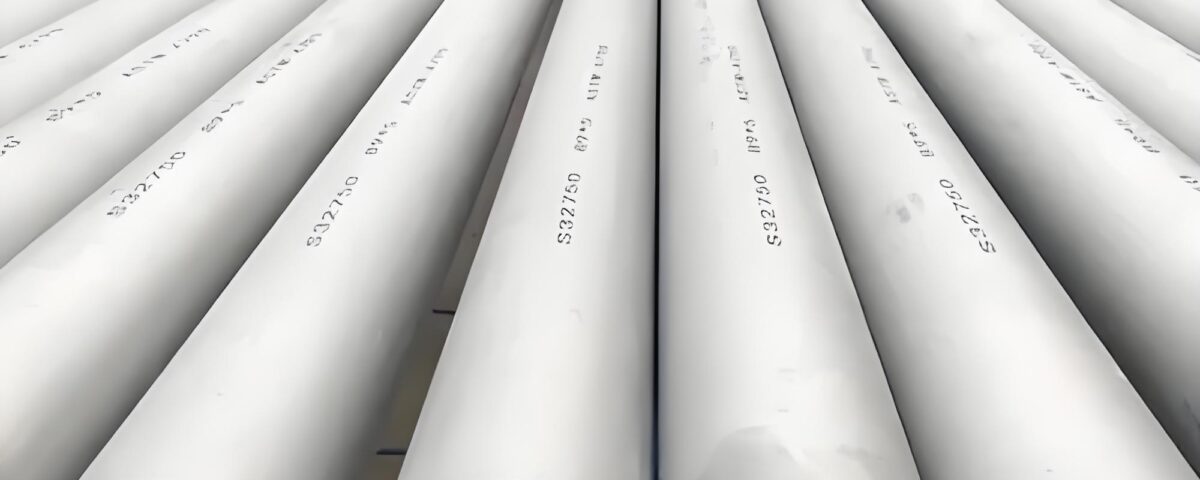
Stainless Steel Pipe Types
A Comprehensive Technical Guide to Austenitic Seamless Pipes for Critical Applications
From 304 to 904L: Metallurgical Fundamentals, Chemical Composition, Equivalent Standards, and Procurement Best Practices
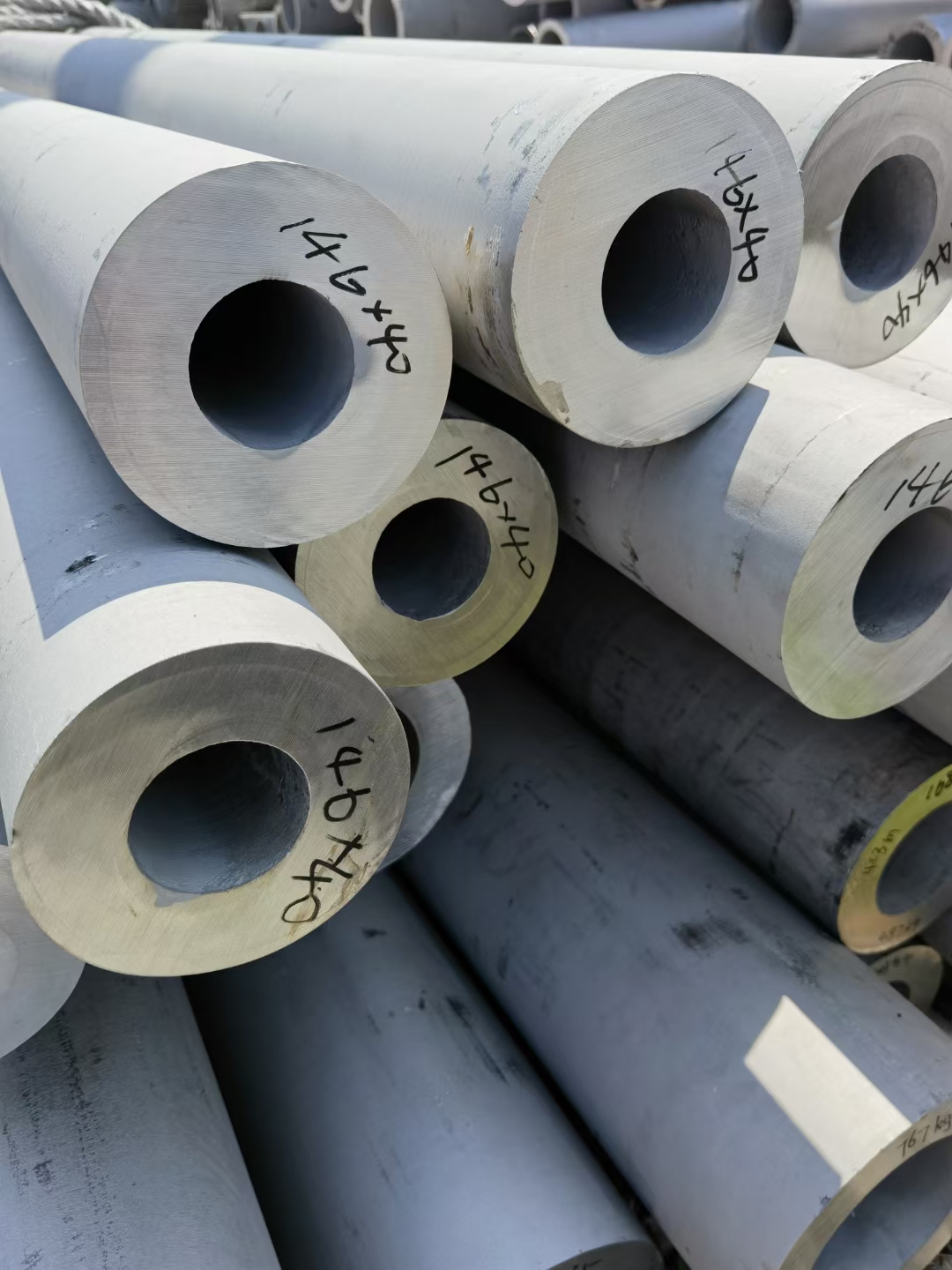
The austenitic stainless steels derive their name from the austenite crystal structure (face-centered cubic, FCC), which is stabilized at room temperature by sufficient nickel content—typically above 8% for the 300-series alloys. This structure is what gives these materials their exceptional combination of properties: excellent corrosion resistance across a wide range of environments, outstanding formability that allows them to be bent, flanged, and expanded without cracking, and remarkable toughness even at cryogenic temperatures. Unlike ferritic or martensitic stainless steels, the austenitic grades are generally non-magnetic (though cold working can induce some magnetism), and they cannot be hardened by heat treatment—only by cold work. The key to their corrosion resistance lies in the passive chromium oxide film that forms spontaneously on the surface. But here’s where the nuance comes in: this passive film can be compromised by carbide precipitation during welding (sensitization), by chloride-induced pitting, or by stress corrosion cracking under specific combinations of tensile stress, temperature, and chlorides. Each grade in our portfolio is optimized to address one or more of these failure mechanisms. At Aber Steel Company, we manufacture these seamless pipes under strict quality systems, ensuring that every lot meets the chemical and mechanical requirements of ASTM A312/A312M, ASME SA312, and corresponding EN/DIN standards. The following sections will walk you through each grade, providing not just the numbers, but the practical understanding that will make you a more confident and effective procurement professional.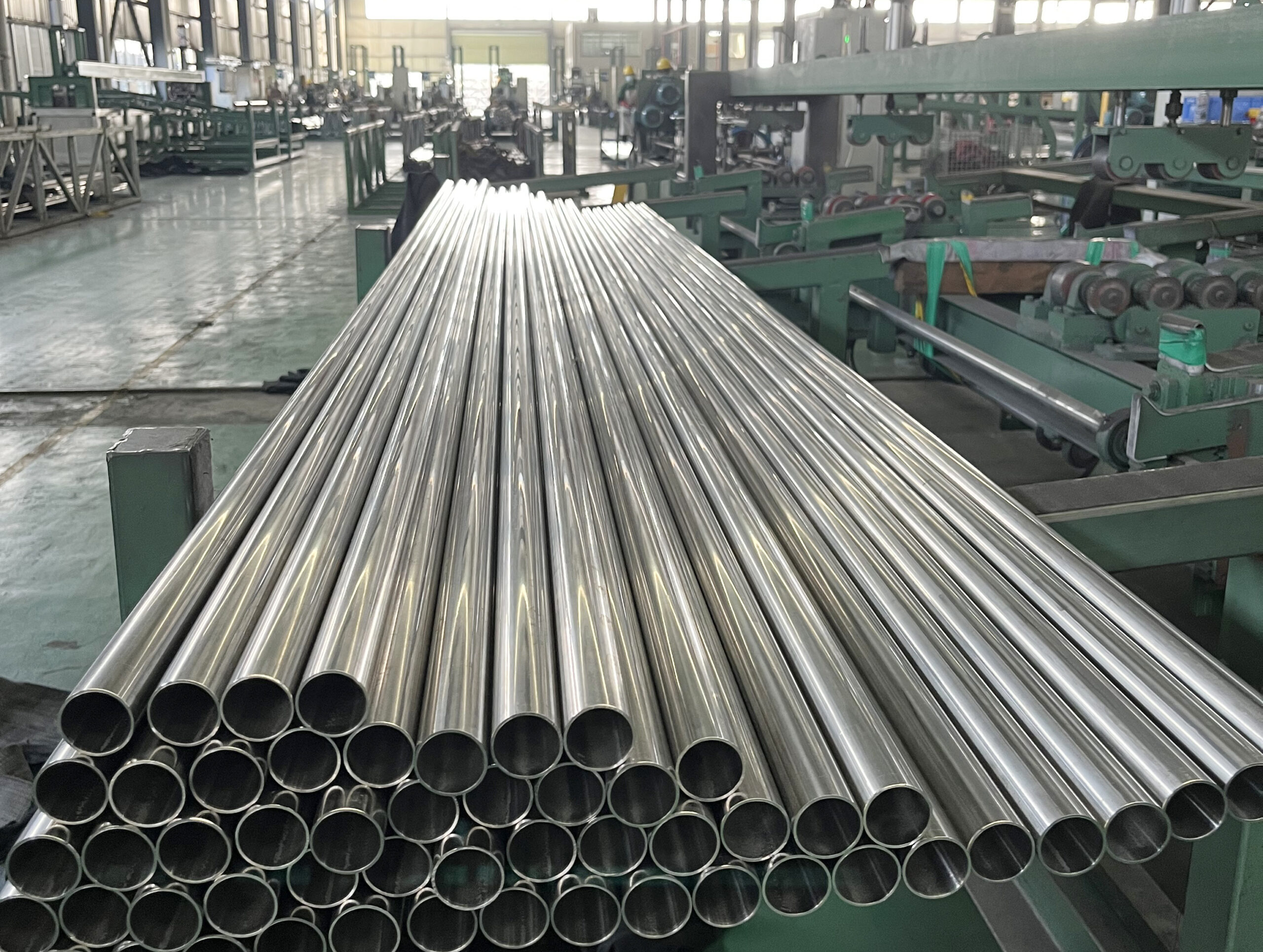
1.1 The Austenitic Foundation: Structure, Alloying Elements, and PREN Calculations
Chromium (Cr) is the primary corrosion-resistant element; every austenitic grade contains at least 16% Cr, which forms the passive oxide layer. Nickel (Ni) stabilizes the austenitic structure and enhances resistance to reducing acids and chloride-induced stress corrosion cracking (though too much nickel can actually increase SCC susceptibility in certain environments—a nuance often overlooked). Molybdenum (Mo) is the champion against pitting and crevice corrosion, and its content is the defining difference between grades like 304 (no Mo) and 316 (2-3% Mo). Nitrogen (N) is a powerful austenite stabilizer and solid-solution strengthener; grades like 316LN and 310MoLN leverage nitrogen to achieve higher yield strengths without sacrificing corrosion resistance. Carbon (C) is a double-edged sword: it improves high-temperature creep strength but can form chromium carbides at grain boundaries during welding (sensitization), leading to intergranular corrosion. That’s why low-carbon versions (304L, 316L, 317L, 310S) exist. Stabilized grades (321 with Ti, 347 with Nb) add elements that preferentially form carbides, leaving chromium in solution to maintain corrosion resistance even after welding. The pitting resistance equivalent number (PREN) is a simple but powerful tool for comparing grades: PREN = \%Cr + 3.3\times\%Mo + 16\times\%N. For 304, PREN is around 18-19; for 316, it jumps to 24-26; for 317, 29-32; and for 904L, it reaches 34-36. This single number gives procurement engineers a quick initial assessment of relative pitting resistance in chloride-containing environments. But remember, PREN doesn’t account for stress corrosion cracking or high-temperature oxidation—that’s where the detailed grade selection comes in. I’ve seen projects where engineers relied solely on PREN and ended up with SCC failures because they ignored the nickel content effect. So use it as a guide, not a gospel.
1.2 Comprehensive Grade Overview: Chemical Composition & Equivalent Standards
The following table compiles the essential chemical composition limits and international equivalent standards for the eighteen austenitic grades we manufacture at Aber Steel Company. These values are derived from ASTM A312/A312M, EN 10216-5, and JIS G3459 standards. Note that actual mill test certificates will show tighter ranges and guaranteed minimums. When specifying, always reference the applicable standard and consider whether you need the standard grade or a low-carbon/stabilized variant based on your fabrication and service conditions.
| Grade | C max | Cr | Ni | Mo | Others | PREN (typ) | ASTM Equiv. | EN/DIN |
|---|---|---|---|---|---|---|---|---|
| 304 | 0.08 | 18.0-20.0 | 8.0-11.0 | – | – | 19 | TP304 | 1.4301 |
| 304L | 0.03 | 18.0-20.0 | 8.0-12.0 | – | – | 19 | TP304L | 1.4307 |
| 309 | 0.20 | 22.0-24.0 | 12.0-15.0 | – | – | 22 | TP309 | 1.4828 |
| 310 | 0.25 | 24.0-26.0 | 19.0-22.0 | – | – | 25 | TP310 | 1.4841 |
| 310S | 0.08 | 24.0-26.0 | 19.0-22.0 | – | – | 25 | TP310S | 1.4845 |
| 310MoLN | 0.02 | 24.0-26.0 | 20.0-23.0 | 2.0-3.0 | N:0.10-0.20 | 35 | UNS S31050 | 1.4466 |
| 314 | 0.25 | 23.0-26.0 | 19.0-22.0 | – | Si:1.5-3.0 | 24 | TP314 | 1.4841 mod |
| 316 | 0.08 | 16.0-18.0 | 10.0-14.0 | 2.0-3.0 | – | 25 | TP316 | 1.4401 |
| 316L | 0.03 | 16.0-18.0 | 10.0-14.0 | 2.0-3.0 | – | 25 | TP316L | 1.4404 |
| 316LN | 0.03 | 16.0-18.0 | 10.0-14.0 | 2.0-3.0 | N:0.10-0.16 | 27 | TP316LN | 1.4429 |
| 316Ti | 0.08 | 16.0-18.0 | 10.0-14.0 | 2.0-3.0 | Ti:5xC min | 25 | TP316Ti | 1.4571 |
| 317 | 0.08 | 18.0-20.0 | 11.0-15.0 | 3.0-4.0 | – | 30 | TP317 | 1.4449 |
| 317L | 0.03 | 18.0-20.0 | 11.0-15.0 | 3.0-4.0 | – | 30 | TP317L | 1.4438 |
| 321 | 0.08 | 17.0-19.0 | 9.0-12.0 | – | Ti:5xC min | 18 | TP321 | 1.4541 |
| 321H | 0.04-0.10 | 17.0-19.0 | 9.0-12.0 | – | Ti:4xC min | 18 | TP321H | 1.4878 |
| 347 | 0.08 | 17.0-19.0 | 9.0-13.0 | – | Nb+Ta:10xC min | 18 | TP347 | 1.4550 |
| 347H | 0.04-0.10 | 17.0-19.0 | 9.0-13.0 | – | Nb+Ta:8xC min | 18 | TP347H | 1.4912 |
| 904L | 0.02 | 19.0-23.0 | 23.0-28.0 | 4.0-5.0 | Cu:1.0-2.0 | 35 | N08904 | 1.4539 |
1.3 Grade-by-Grade Technical Deep Dive: From 304 to 904L
Now, let me walk you through each grade with the kind of practical insight that comes from years of application engineering. 304 is the standard 18/8 austenitic. It’s the workhorse—used in food processing, dairy, general industrial piping, and architectural applications. Its limitation? Sensitization during welding can lead to intergranular corrosion, and it lacks molybdenum, so pitting resistance in chloride environments is modest. That’s where 304L comes in—the low-carbon variant that virtually eliminates sensitization risk. I always recommend 304L over 304 for any welded construction, even if the service temperature is mild. The cost difference is minimal, but the peace of mind is substantial. Moving to the heat-resistant grades: 309 and 310/310S are designed for elevated temperature service. 309 is often used as furnace components and heat exchangers where scaling resistance is needed up to 1000°C. 310 goes further, with higher chromium and nickel, capable of intermittent service up to 1150°C. The low-carbon 310S is preferred for welded assemblies to avoid carbide precipitation at the weld HAZ. 310MoLN is a modern high-performance grade with nitrogen strengthening and molybdenum addition—it offers exceptional resistance to high-temperature sulfidation and polythionic acid stress corrosion cracking, making it a go-to for refinery applications. 314 contains higher silicon, which dramatically improves oxidation and scaling resistance in cyclic high-temperature environments; I’ve seen it specified for radiant tubes and industrial furnace rollers.
Now, let’s talk about the molybdenum-bearing grades. 316/316L are the most widely specified for marine and chemical service. The 2-3% molybdenum provides a significant jump in pitting resistance. For most potable water and mild chemical environments, 316L is the standard. But when you need even higher resistance—say, in pulp and paper bleach plants, or in pharmaceutical processes with warm chlorides—317/317L with 3-4% Mo offers the next tier of protection. The 316LN grade adds nitrogen, boosting yield strength by about 50 MPa without compromising corrosion resistance—ideal for pressure vessels and piping where weight reduction is a goal. 316Ti is titanium-stabilized, offering the same corrosion resistance as 316L but with better high-temperature strength; it’s often used in automotive exhaust systems and heat exchangers where service temperatures hover around 550-650°C. The stabilized grades 321/321H (titanium) and 347/347H (niobium) are designed specifically for applications that involve welding followed by service in the sensitization range (450-850°C). The titanium or niobium carbides form preferentially, leaving chromium in solid solution to maintain corrosion resistance. 321H and 347H have higher carbon content, which improves creep rupture strength at elevated temperatures—critical for headers and superheater tubes in power plants. Finally, 904L is the premium austenitic grade, with high nickel, high molybdenum, and copper addition. It’s designed for severe corrosive environments—sulfuric acid handling, seawater cooling systems, and phosphoric acid production. The combination of high nickel (23-28%) and molybdenum (4-5%) gives it exceptional resistance to pitting and stress corrosion cracking, while copper adds resistance to reducing acids. I’ve seen 904L outlast 316L by a factor of 5 in aggressive chemical service, making the higher initial cost easily justifiable.
Figure 1: Creep Rupture Strength Comparison at 600°C (1112°F) – Stabilized vs. Standard Grades
  Stress (MPa)
     180|
        |                             * 347H
     160|                        * 321H
        |                   *
     140|              *  321/347
        |         *
     120|     * 304/316 (non-stabilized)
        |  *
     100|
        +-------------------------------------------------- Time to rupture (hours, log)
        100   1,000   10,000   100,000

    Stabilized grades (321H, 347H) maintain higher creep strength at elevated temperatures due to carbon and carbide dispersion.
    For continuous high-temperature service >500°C, stabilized or high-carbon grades are essential.
Figure 2: Pitting Potential (Epit) vs. Molybdenum Content in 3.5% NaCl at 50°C
  E_pit (mV vs SCE)
     900|
        |                                 * 904L (4.5%Mo)
     800|                            *
        |                        * 317L (3.5%Mo)
     700|
        |                   * 316L (2.5%Mo)
     600|
        |              * 304L (0%Mo)
     500|
        +-------------------------------------------------- Mo wt%
        0      1      2      3      4      5

    Relationship: E_pit ≈ 120 + 150*(%Mo) (R²=0.92)
    Each 1% Mo increases pitting potential by approximately 150 mV.
Aber Steel Company: Quality Assurance & Testing Protocols
At abter Steel, we fully understand that the value of stainless steel tubing lies in its traceability and the quality of its inspection. Every seamless steel tube we produce undergoes a rigorous quality assurance process that far exceeds standard requirements. Our inspection procedures are designed to instill complete confidence in purchasing engineers regarding the integrity of the material. We begin with raw material verification: every heat of steel undergoes optical emission spectroscopy and is certified to meet the required chemical composition. Throughout the production process, we conduct in-process dimensional checks, visual inspections, and non-destructive testing. The final product is subjected to a comprehensive series of tests: 100% PMI (Positive Material Identification) using X-ray fluorescence spectroscopy to verify the steel grade; 100% Ultrasonic Testing (UT) of the seamless tubes in accordance with ASTM E213; and Eddy Current Testing (ET) to detect surface defects. Mechanical property testing includes tensile, flattening, flaring, and bend tests performed in accordance with ASTM A312. For corrosion-sensitive applications, we offer supplementary testing: intergranular corrosion testing (ASTM A262 Practice E), pitting corrosion testing (ASTM G48), and hardness testing. We document and archive the heat treatment process for every batch, ensuring that both the solution annealing temperature (typically 1040–1100°C for austenitic grades) and the cooling rate (water quenching) fall within the specified parameters. The sample Mill Test Certificate provided below illustrates the detailed documentation we provide with every shipment.
🏭 ABER STEEL COMPANY – MILL TEST CERTIFICATE (EN 10204 Type 3.1)
Product: Austenitic Stainless Steel Seamless Pipe | Specification: ASTM A312/A312M – TP316L
Dimensions: 4″ SCH 40S (114.3 mm OD x 6.02 mm WT) | Heat Number: 24-316L-0892
Quantity: 342 pieces (12.7 tons) | Manufacturing: Hot finished + cold drawn, solution annealed 1060°C, water quenched
Surface Finish: Pickled and passivated per ASTM A967
🔬 Chemical Analysis (wt%, OES verified):
C:0.021 | Si:0.45 | Mn:1.32 | P:0.026 | S:0.002 | Cr:16.52 | Ni:10.28 | Mo:2.12 | N:0.045 | Fe: Balance
PREN = 16.52 + 3.3×2.12 + 16×0.045 = 16.52 + 7.00 + 0.72 = 24.24 (meets ≥24 requirement)
📊 Mechanical Properties (Ambient):
Tensile Strength: 585 MPa (min 485) | Yield Strength (0.2% offset): 305 MPa (min 170) | Elongation: 48% (min 35)
Hardness (HRB): 79 (max 90) | Grain Size: ASTM 6-7 (uniform austenitic)
⚙️ Corrosion & NDT Results:
• Intergranular Corrosion (ASTM A262 Practice E): Passed (no cracking, mass loss <0.05 g/m²)
• Pitting Corrosion (ASTM G48 Method A, 24h @ 40°C): No pitting, mass loss 0.12 g/m²
• Ultrasonic Test (ASTM E213): 100% scanned, no rejectable indications
• Hydrostatic Test: 12.5 MPa (1812 psi) for 10 seconds, zero leakage
• Flattening Test: No cracks after flattening to 2/3 of OD
✅ Certified Documentation Enclosed: EN 10204 3.1, Raw Materials Certificate, Heat Treatment Charts, Third-Party Inspection (SGS) Report
QA Manager: M. Reynolds | 2025-04-15 | Heat treatment records available upon request
Figure 3: Aber Steel – Process Capability for Wall Thickness Tolerance (ASTM A312, 316L Seamless)
  Frequency (%)
      30|
        |                 ████████
      25|               ████████████
        |             ████████████████
      20|           ████████████████████
        |         ████████████████████████
      15|       ████████████████████████████
        |     ████████████████████████████████
      10|   ████████████████████████████████████
        | ████████████████████████████████████████
        +-------------------------------------------------- Tolerance deviation (%)
        -10%  -8%  -6%  -4%  -2%   0   +2%  +4%  +6%  +8%  +10%

    Process Capability: Cpk = 1.52 (USL ±10%, LSL -10%)
    Over 240 production lots, 99.7% of measurements fall within ±6% of nominal wall thickness.
4.1 Industrial Applications & Grade Selection Guide
Selecting the right grade for your application requires a balanced assessment of corrosion type, temperature, mechanical loads, and fabrication requirements. Based on my field experience, I’ve developed a practical selection matrix. For food and beverage processing where cleaning involves chlorinated sanitizers, 316L is the minimum standard—304L will pit over time. For pharmaceutical water systems (WFI, purified water), 316L with electropolished finish is the industry standard, often with supplementary ferrite testing to ensure low delta-ferrite content. For oil and gas upstream (wellhead, flowlines), 316L is common for sweet service; for sour service with H₂S, NACE MR0175-compliant 316L or 316LN is required. For refinery high-temperature piping (500-800°C), 321H or 347H are preferred for their creep strength and resistance to polythionic acid SCC during shutdowns. For heat exchangers in corrosive cooling water (seawater or brackish), 316L is marginal; 317L or 904L provide longer life, especially where crevices exist at tube sheets. For sulfuric acid handling, 904L or 310MoLN are the go-to choices—standard 316L will suffer rapid corrosion. For power generation superheaters, 321H and 347H are widely used for their combination of high-temperature strength and weldability. The following chart summarizes the maximum recommended service temperatures for continuous exposure in air, along with relative corrosion resistance rankings.
Figure 4: Maximum Continuous Service Temperature (Air) for Austenitic Grades
  Temp (°C)
    1200|
        |                                        * 310/310S (1150°C)
    1000|                                   * 314 (1100°C)
        |                              * 309 (1000°C)
     800|                         * 321H/347H (850°C)
        |                    * 316Ti (750°C)
     600|               * 321/347 (650°C)
        |          * 316L (450°C)
     400|     * 304L (425°C)
        |
     200|
        +--------------------------------------------------
        304L 316L 321 321H 309 310 314 310MoLN
        (Increasing oxidation resistance →)

    For applications above 500°C, stabilized grades (321H/347H) or high-chromium grades (309/310) are essential.
4.2 Procurement Specifications: What to Include in Your RFQ
When drafting your inquiry or purchase order for stainless steel seamless pipes, I strongly recommend including the following elements to ensure you receive material that meets your service requirements: (1) Specify the ASTM/ASME standard (e.g., ASTM A312/A312M) and the exact grade (e.g., TP316L, not just “316L”). (2) Indicate whether you require the standard grade or a low-carbon/stabilized variant based on welding and service conditions. (3) Define the required heat treatment condition—typically solution annealed and water quenched for austenitic grades. (4) Specify supplementary testing requirements: intergranular corrosion (A262), pitting corrosion (G48), ultrasonic or eddy current testing, and whether third-party witness (TÜV, SGS, BV) is required. (5) Require EN 10204 Type 3.1 or 3.2 certification with full traceability from melt to final pipe. (6) For high-temperature service, request creep rupture data or specify the required Larson-Miller parameter. (7) For sour gas service, include NACE MR0175/ISO 15156 compliance and hardness testing. At Aber Steel Company, we work with our clients to develop customized quality plans that address these requirements, and we maintain full traceability records for every heat number we ship. The additional cost of comprehensive testing is minimal compared to the cost of a field failure.
Stainless Steel Seamless Pipe
Wall Thickness Classification Table
This comprehensive reference provides nominal wall thicknesses for stainless steel seamless pipes across all standard Schedule (SCH) designations — from thin-wall SCH 5S to extra-heavy XXS. The data complies with ASME B36.19 (stainless steel pipe) and ASME B36.10 (for carbon steel equivalents where applicable). Procurement engineers, designers, and specifiers can use this table to select the appropriate wall thickness based on pressure rating, corrosion allowance, and mechanical integrity requirements. Values are in inches (in) and represent nominal thicknesses; actual tolerances conform to ASTM A312/A312M and A999/A999M.
| Inch size (NPS) | OD (inches) | SCH 5S | SCH 10S | SCH 10 | SCH 20 | SCH 30 | SCH 40 | SCH 60 | SCH 80 | SCH 100 | SCH 120 | SCH 140 | SCH 160 | STD | XS | XXS |
|---|---|---|---|---|---|---|---|---|---|---|---|---|---|---|---|---|
| 1/8″ | 0.405 | 0.035 | 0.049 | 0.049 | — | — | 0.068 | — | 0.095 | — | — | — | — | 0.068 | 0.095 | — |
| 1/4″ | 0.540 | 0.049 | 0.065 | 0.065 | — | — | 0.088 | — | 0.119 | — | — | — | — | 0.088 | 0.119 | — |
| 3/8″ | 0.675 | 0.049 | 0.065 | 0.065 | — | — | 0.091 | — | 0.126 | — | — | — | — | 0.091 | 0.126 | — |
| 1/2″ | 0.840 | 0.065 | 0.083 | 0.083 | — | — | 0.109 | — | 0.147 | — | — | — | 0.188 | 0.109 | 0.147 | 0.294 |
| 3/4″ | 1.050 | 0.065 | 0.083 | 0.083 | — | — | 0.113 | — | 0.154 | — | — | — | 0.219 | 0.113 | 0.154 | 0.308 |
| 1″ | 1.315 | 0.065 | 0.109 | 0.109 | — | — | 0.133 | — | 0.179 | — | — | — | 0.250 | 0.133 | 0.179 | 0.358 |
| 1 1/4″ | 1.660 | 0.065 | 0.109 | 0.109 | — | — | 0.140 | — | 0.191 | — | — | — | 0.250 | 0.140 | 0.191 | 0.382 |
| 1 1/2″ | 1.900 | 0.065 | 0.109 | 0.109 | — | — | 0.145 | — | 0.200 | — | — | — | 0.281 | 0.145 | 0.200 | 0.400 |
| 2″ | 2.375 | 0.065 | 0.109 | 0.109 | — | — | 0.154 | — | 0.218 | — | — | — | 0.344 | 0.154 | 0.218 | 0.436 |
| 2 1/2″ | 2.875 | 0.083 | 0.120 | 0.120 | — | — | 0.203 | — | 0.276 | — | — | — | 0.375 | 0.203 | 0.276 | 0.552 |
| 3″ | 3.500 | 0.083 | 0.120 | 0.120 | — | — | 0.216 | — | 0.300 | — | — | — | 0.438 | 0.216 | 0.300 | 0.600 |
| 3 1/2″ | 4.000 | 0.083 | 0.120 | 0.120 | — | — | 0.226 | — | 0.318 | — | — | — | 0.438 | 0.226 | 0.318 | 0.636 |
| 4″ | 4.500 | 0.083 | 0.120 | 0.120 | — | — | 0.237 | 0.281 | 0.337 | 0.438 | 0.562 | 0.594 | 0.531 | 0.237 | 0.337 | 0.674 |
| 5″ | 5.563 | 0.109 | 0.134 | 0.134 | — | — | 0.258 | 0.312 | 0.375 | 0.500 | 0.625 | 0.688 | 0.625 | 0.258 | 0.375 | 0.750 |
| 6″ | 6.625 | 0.109 | 0.134 | 0.134 | 0.188 | 0.219 | 0.280 | 0.344 | 0.432 | 0.562 | 0.719 | 0.812 | 0.719 | 0.280 | 0.432 | 0.864 |
| 8″ | 8.625 | 0.109 | 0.148 | 0.148 | 0.250 | 0.277 | 0.322 | 0.406 | 0.500 | 0.594 | 0.719 | 0.812 | 0.906 | 0.322 | 0.500 | 0.875 |
| 10″ | 10.750 | 0.134 | 0.165 | 0.165 | 0.250 | 0.307 | 0.365 | 0.500 | 0.593 | 0.719 | 0.844 | 1.000 | 1.125 | 0.365 | 0.593 | — |
| 12″ | 12.750 | 0.156 | 0.180 | 0.180 | 0.250 | 0.330 | 0.406 | 0.562 | 0.687 | 0.844 | 1.000 | 1.125 | 1.312 | 0.406 | 0.687 | — |
| 14″ | 14.000 | 0.156 | 0.188 | 0.188 | 0.312 | 0.375 | 0.438 | 0.594 | 0.750 | 0.938 | 1.094 | 1.250 | 1.406 | 0.438 | 0.750 | — |
| 16″ | 16.000 | 0.165 | 0.188 | 0.188 | 0.312 | 0.375 | 0.500 | 0.656 | 0.844 | 1.031 | 1.219 | 1.438 | 1.594 | 0.500 | 0.844 | — |
| 18″ | 18.000 | 0.165 | 0.188 | 0.188 | 0.312 | 0.438 | 0.562 | 0.719 | 0.938 | 1.156 | 1.375 | 1.562 | 1.781 | 0.562 | 0.938 | — |
| 20″ | 20.000 | 0.188 | 0.218 | 0.218 | 0.375 | 0.500 | 0.594 | 0.812 | 1.031 | 1.281 | 1.500 | 1.750 | 1.969 | 0.594 | 1.031 | — |
| 24″ | 24.000 | 0.218 | 0.250 | 0.250 | 0.375 | 0.562 | 0.688 | 0.969 | 1.219 | 1.531 | 1.812 | 2.062 | 2.344 | 0.688 | 1.219 | — |
• SCH 5S, 10S, 40S, 80S — “S” series denotes stainless steel specific schedules per ASME B36.19. Values are identical to standard schedules for many sizes but optimized for corrosion-resistant alloys.
• STD (Standard), XS (Extra Strong), XXS (Double Extra Strong) — traditional weight designations still widely used. STD corresponds approximately to SCH 40 for NPS ≤ 10″, and SCH 30 for larger diameters; XS corresponds to SCH 80 up to NPS 8″, then deviates. XXS is a non-scheduled heavy wall available up to NPS 8″.
• All wall thicknesses are nominal values in inches. Actual thickness tolerances per ASTM A312/A312M: for seamless pipe, wall thickness variation shall not exceed ±12.5% of nominal.
• OD (Outside Diameter) values are standard for stainless steel pipe to NPS (Nominal Pipe Size) based on ASME B36.10/B36.19.
• For applications requiring thin-wall lightweight tubing, SCH 5S and SCH 10S are preferred to reduce weight and cost while maintaining corrosion resistance. For high-pressure or high-temperature services, SCH 160 and XXS provide superior mechanical strength.
• Always verify pressure-temperature ratings with ASME B31.3 or relevant design code before final selection. Contact Aber Steel technical team for custom wall thicknesses beyond SCH 160.

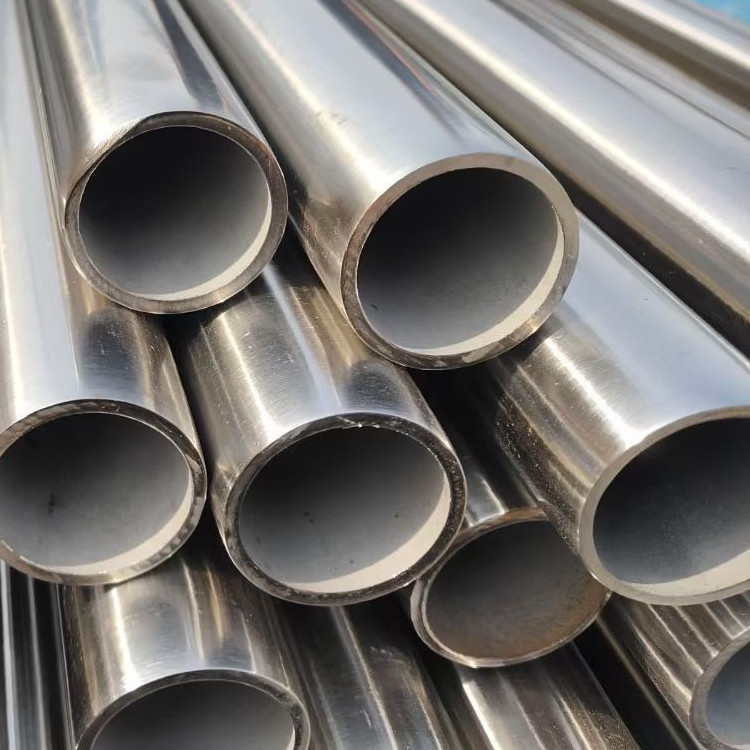
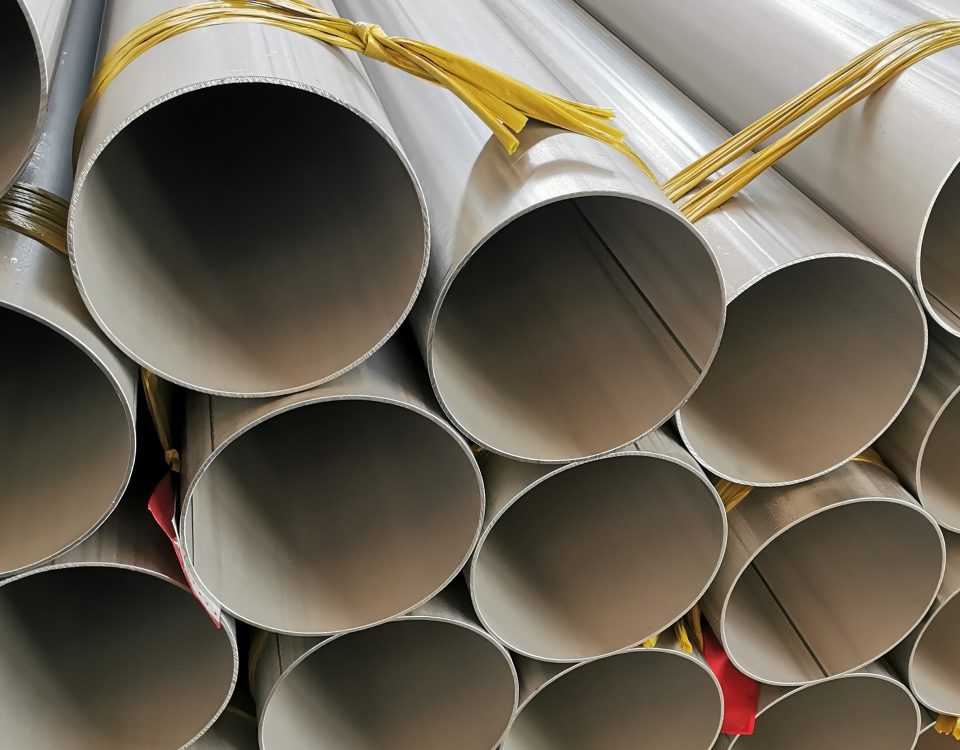

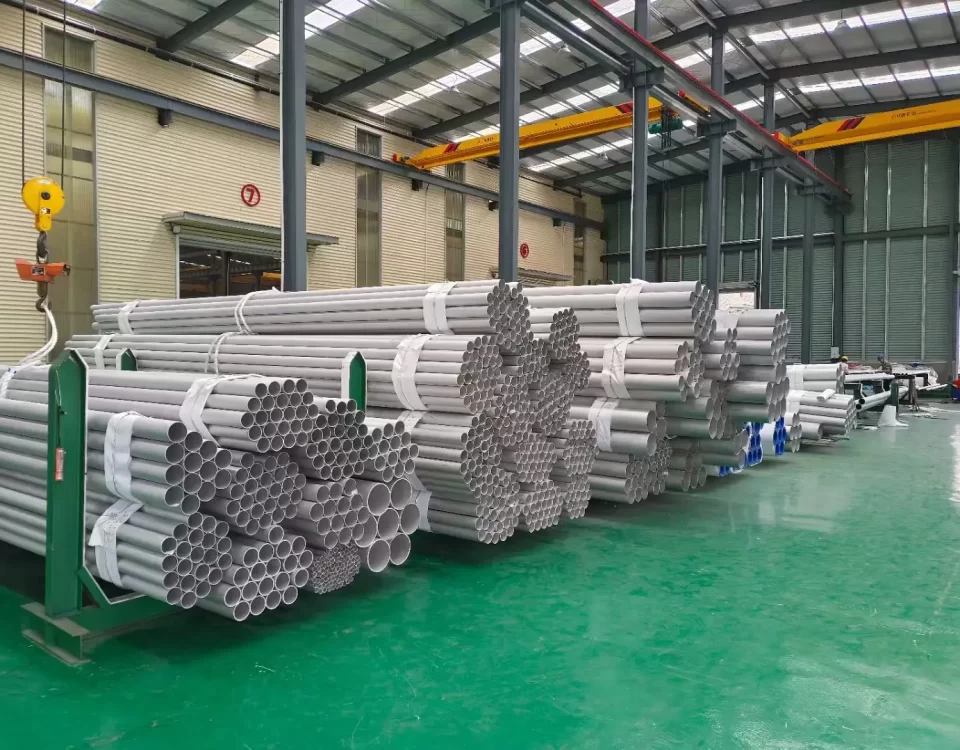
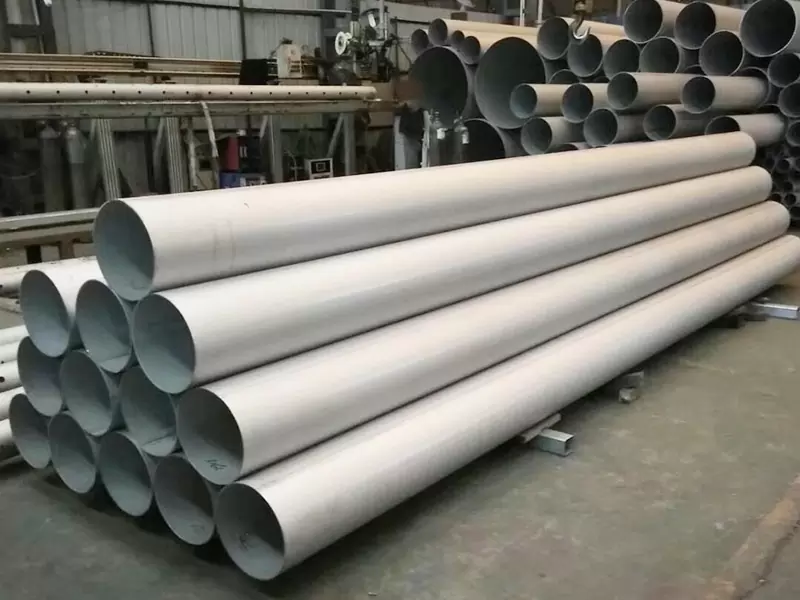
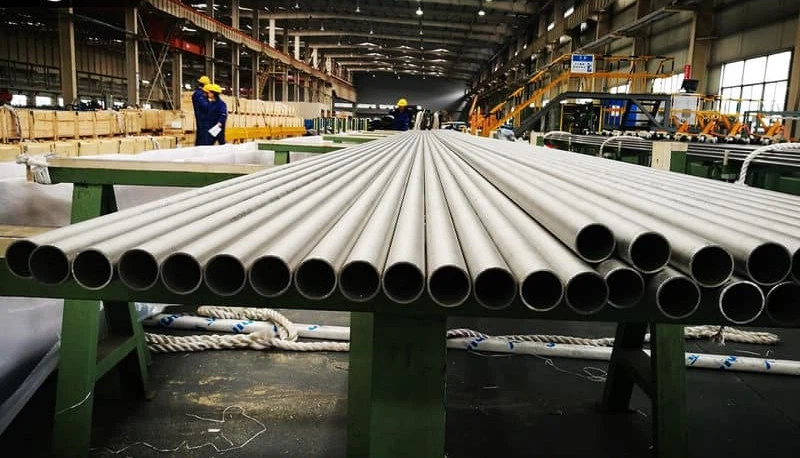
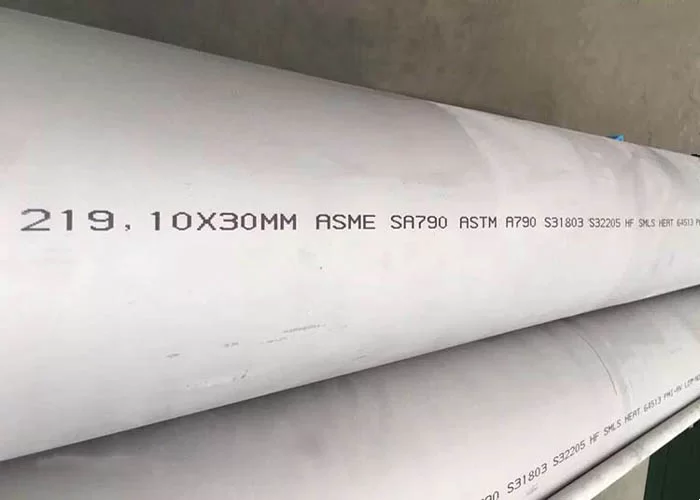
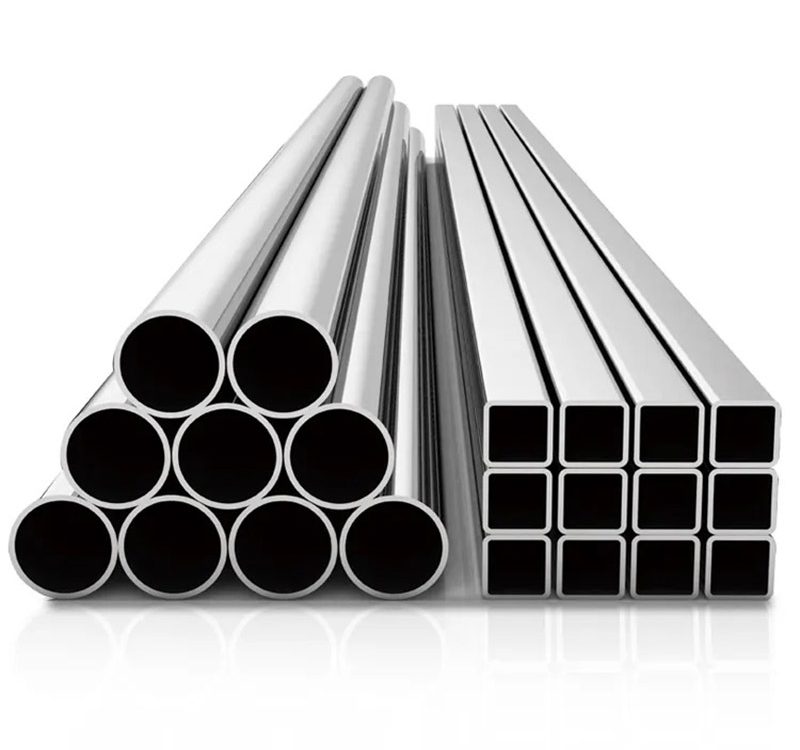
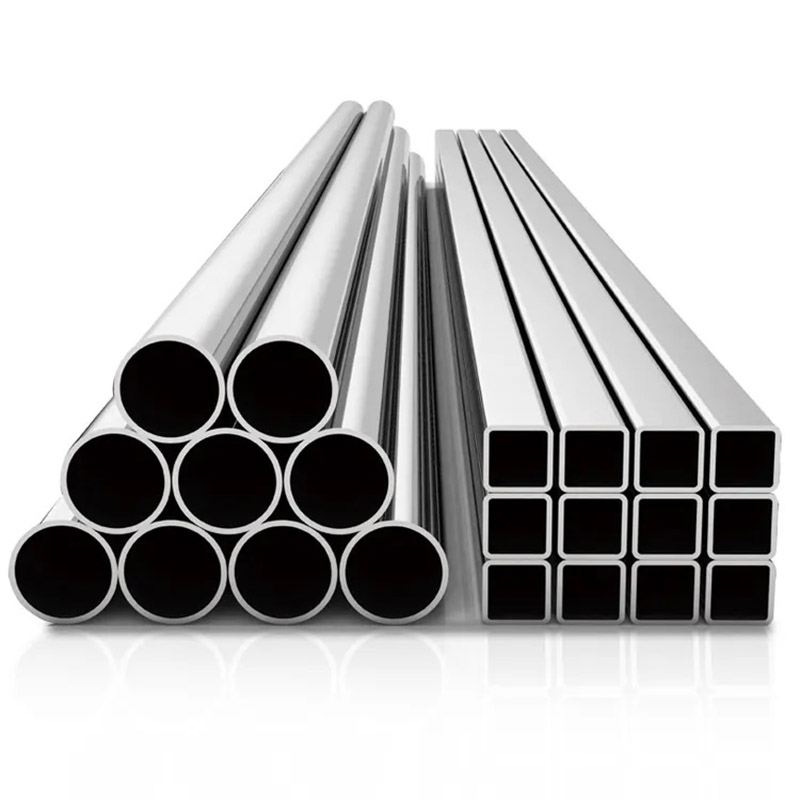
ASTM A554 specification covers ferritic, welded austenitic and austenitic-ferritic duplex stainless steel mechanical tubing intended for use in structural, ornamental, exhaust and other applications where mechanical properties, appearance, or corrosion resistance is needed. ASME SA554 Tubing is commonly shipped without protective coating. ASTM A554 specification covers as welded or cold-reduced mechanical tubing in sizes to 16 inch (406.4 mm) outside dimension and in wall thicknesses 0.020 inch (0.51 mm). ASTM A554 Welded Mechanical Tubing made from flat-rolled steel by an automatic welding process without the addition of filler metal. ASTM A554 Tubes furnished in one of the following shapes – square, round, rectangular, or special.
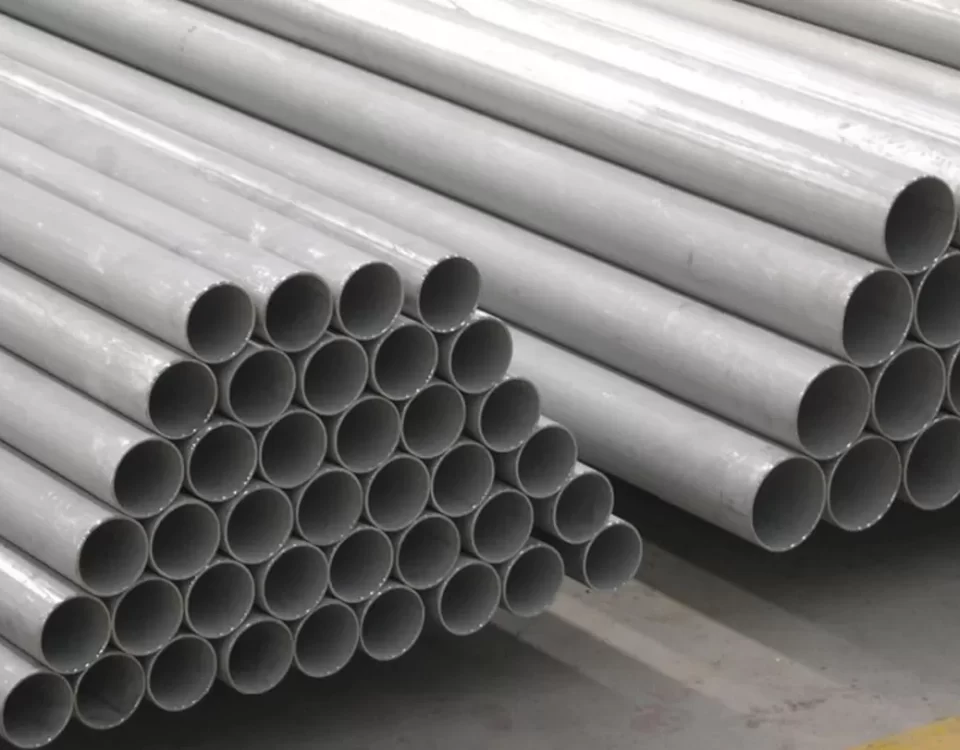
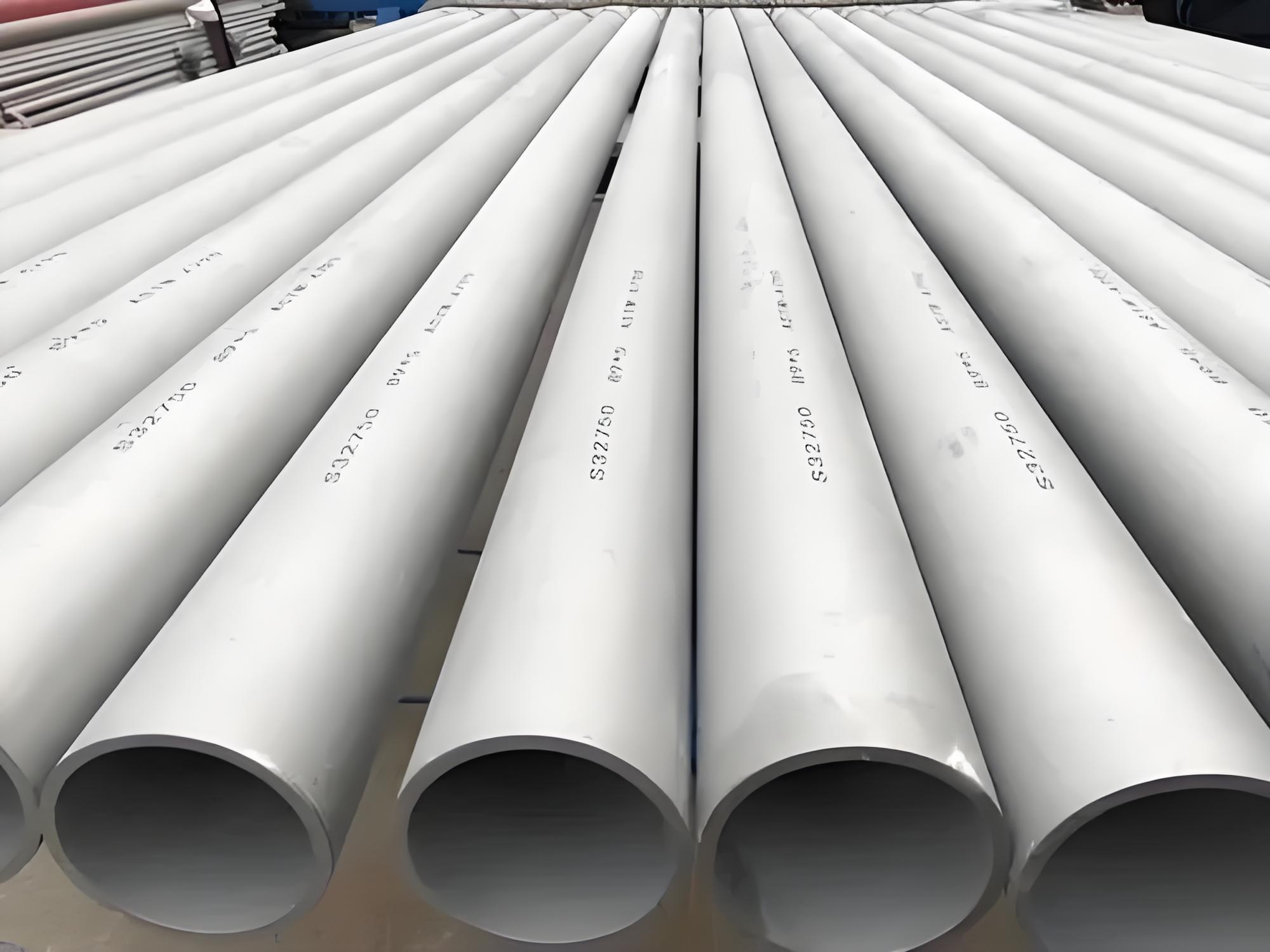
Duplex-grade stainless steel alloys have ferritic/austenitic properties, giving these materials superior strength and excellent resistance to oxidation. While the duplex-grade family includes a wide range of specific formulations, duplex S31803 (2205) and super duplex S32750 (2507) stainless steel are two of the most common. These stainless steel products are extremely versatile, with many applications in the oil and gas, petrochemical, and chemical processing industries.
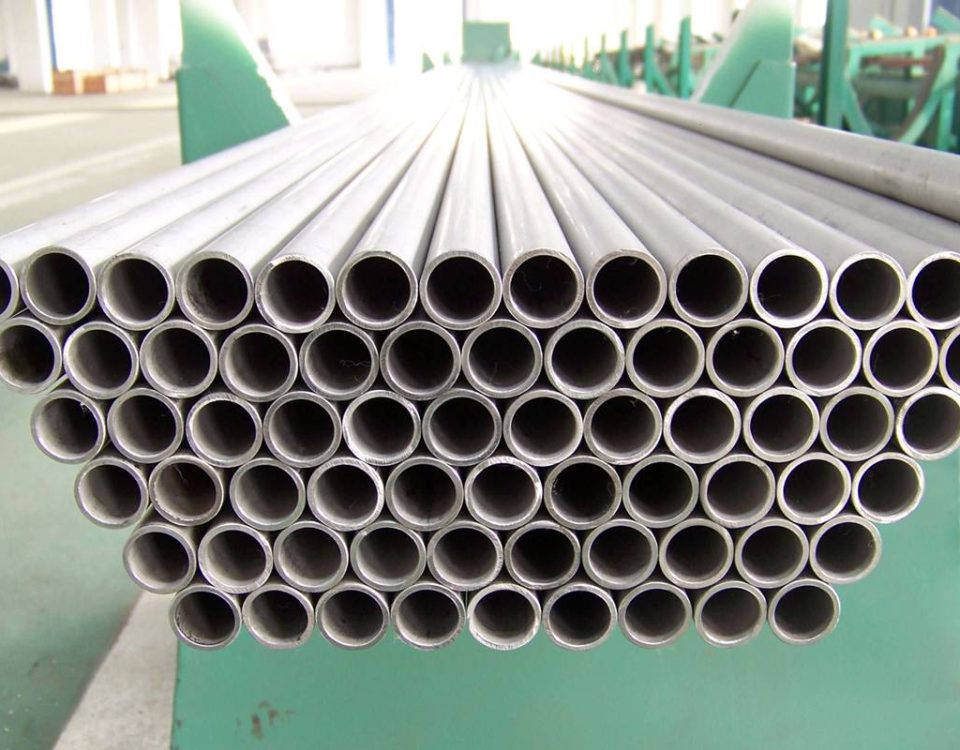
S31803 is the Unified Numbering System (UNS) designation for the original duplex stainless steel. The UNS system was created by a number of trade groups working together in the 1970’s, to reduce confusion from the same alloy being called different things or vice-versa. Each metal is indicated by a letter followed by five numbers, where the letter indicates the family of metals i.e. S for stainless steels.
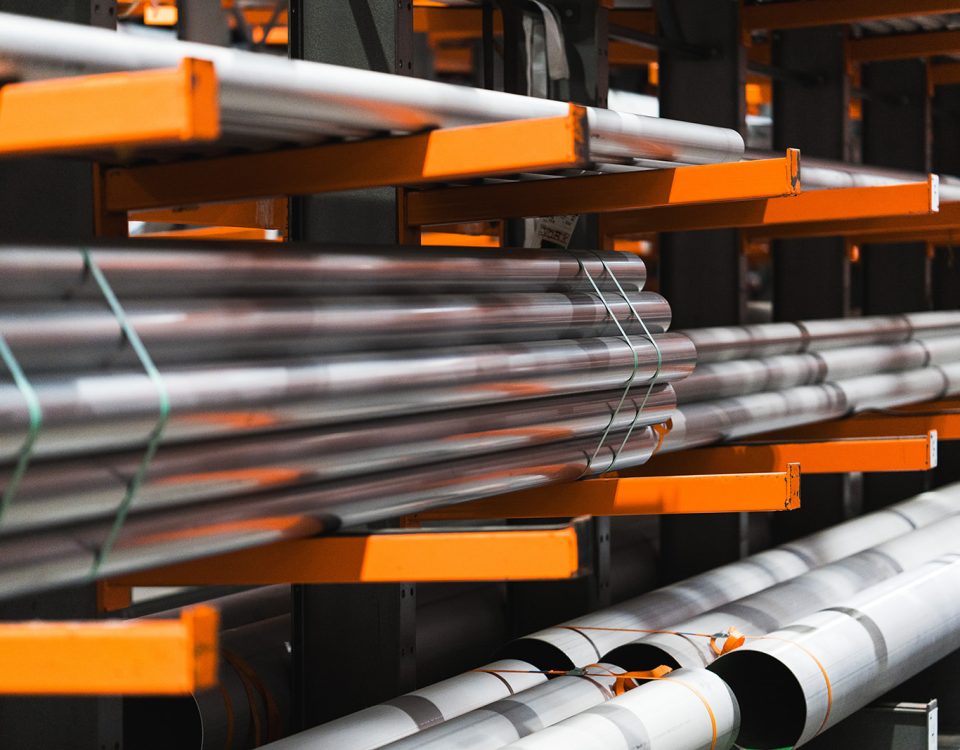
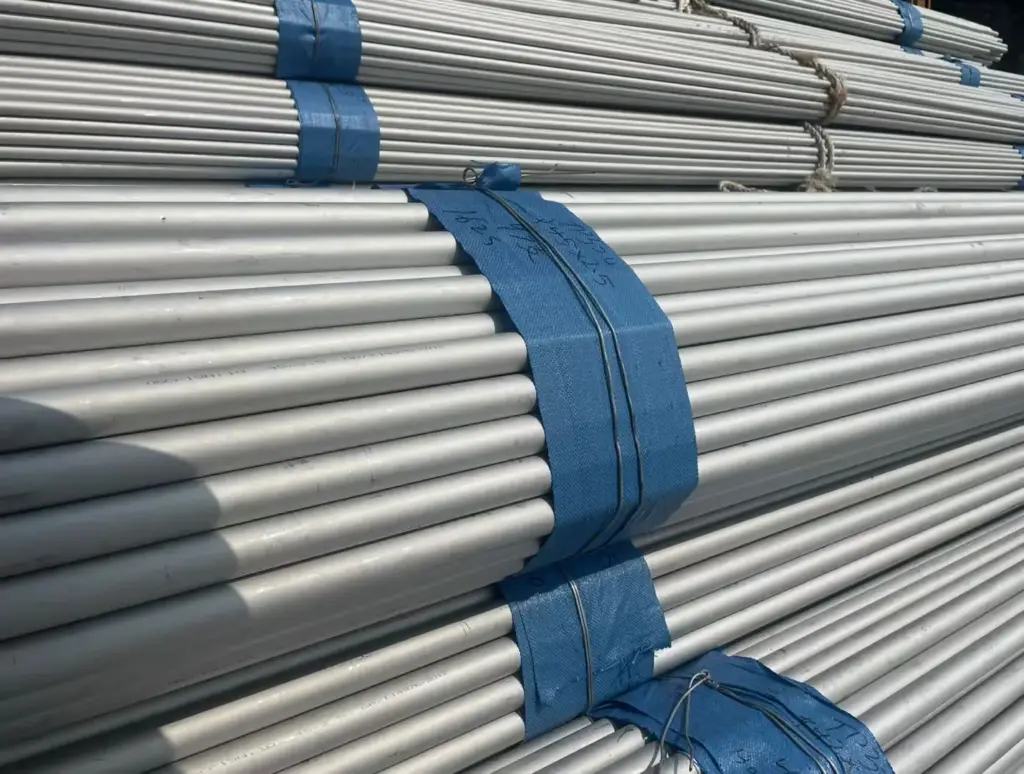
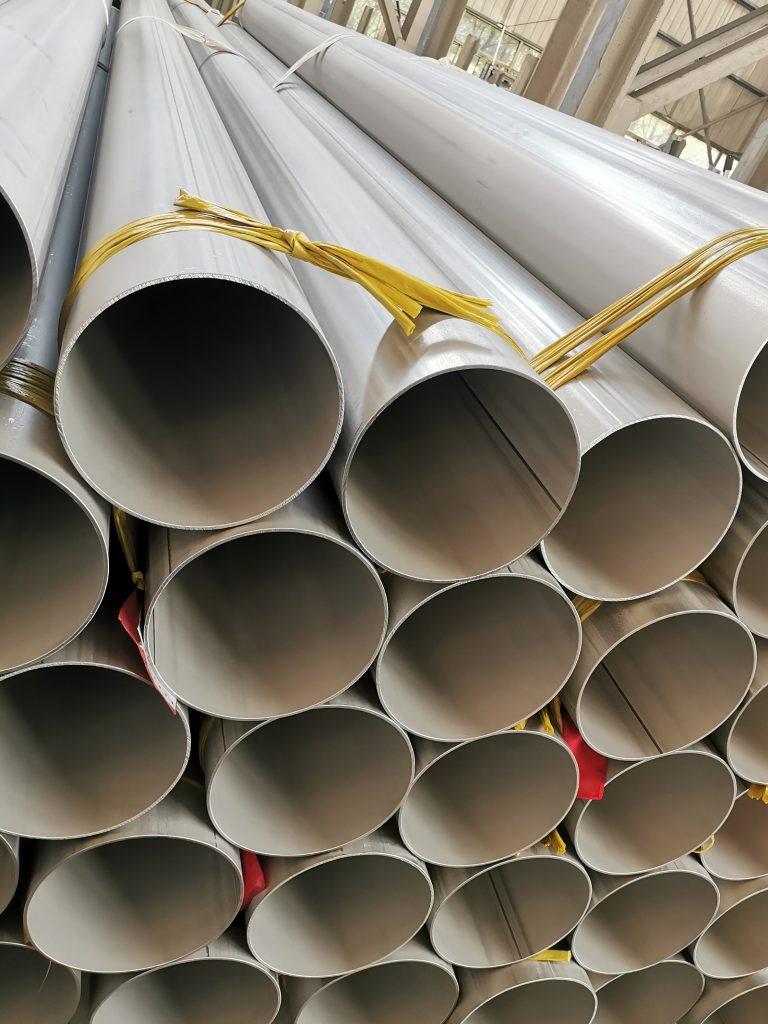

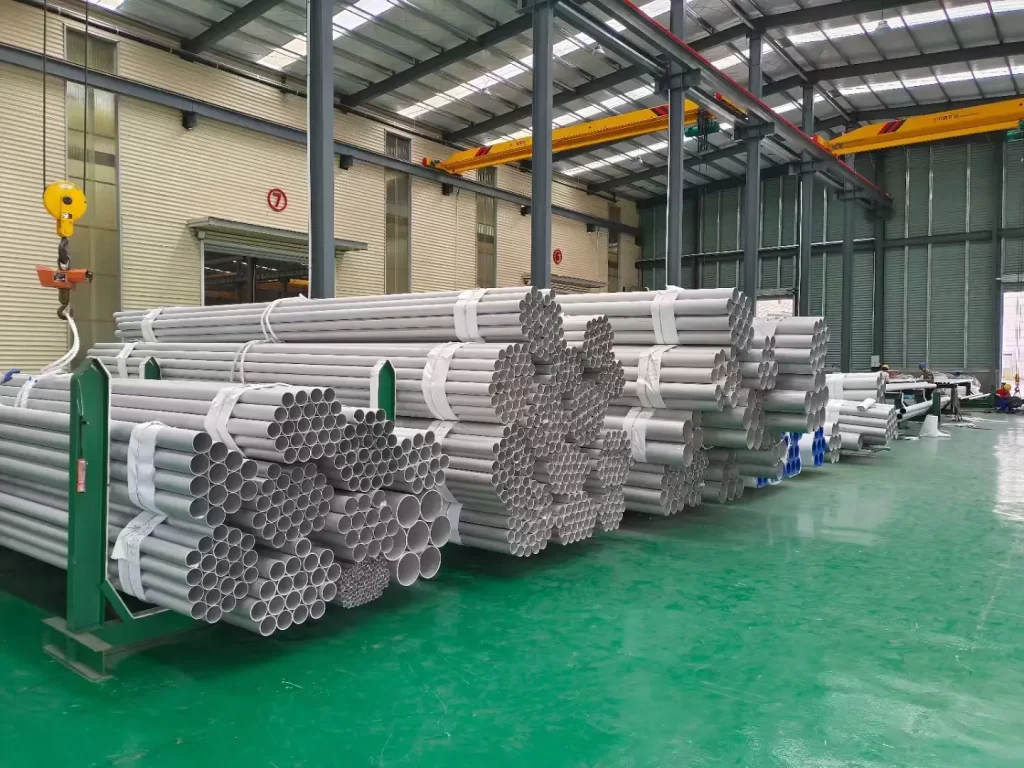
Alloy 347 stainless steel belongs to the family of austenitic stainless steels and is known for its exceptional stability due to the presence of stabilizing elements. This alloy is highly weldable, and in most cases, annealing is not necessary after welding unless stress relief is desired. The remarkable resistance to oxidation and corrosion exhibited by 347 stainless steel makes it a reliable choice for various applications. Its high creep strength allows it to perform optimally at temperatures up to 1600 °F.