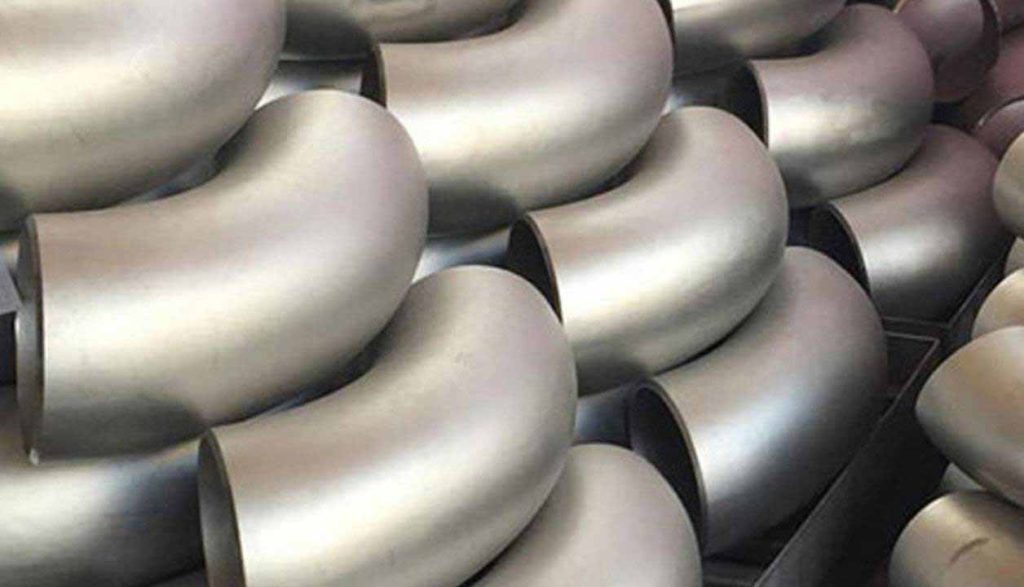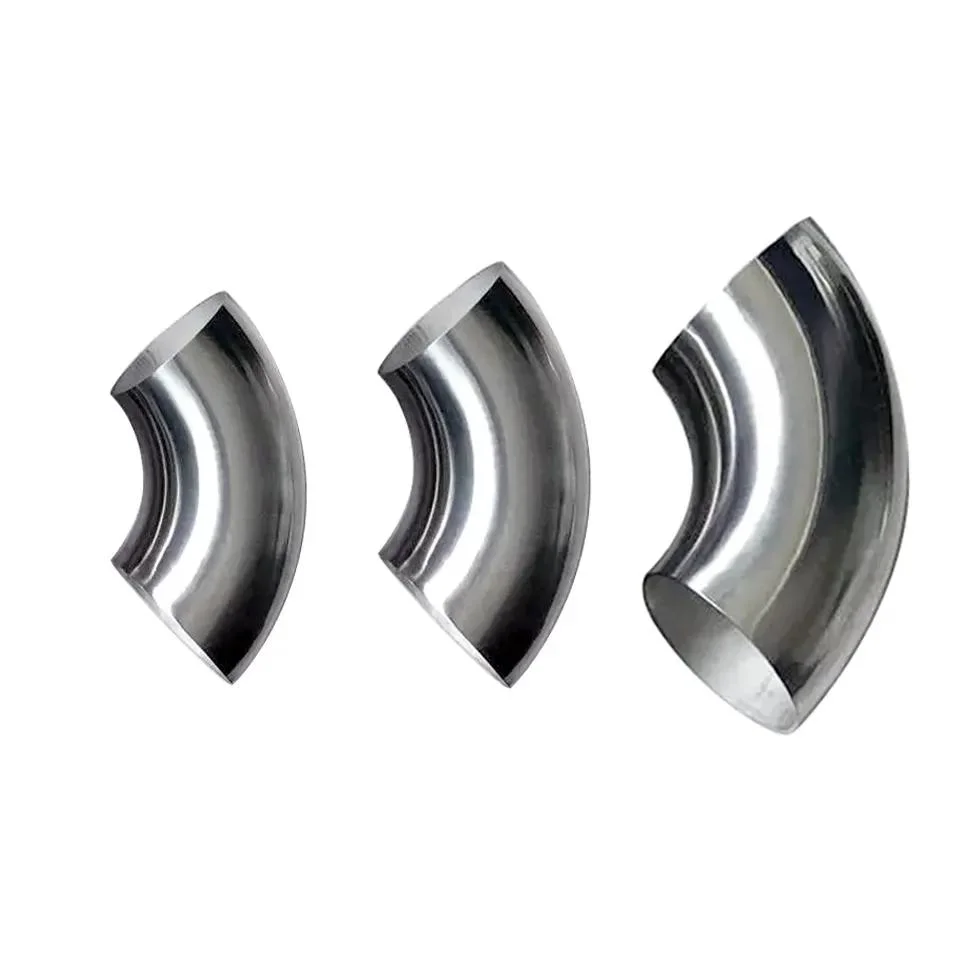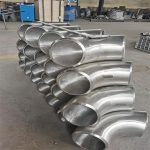
Analysis of WP304 Stainless Steel Elbows Hot Bending Forming
January 18, 2026
ASTM A519 SAE 1020 Seamless Tubes
February 8, 2026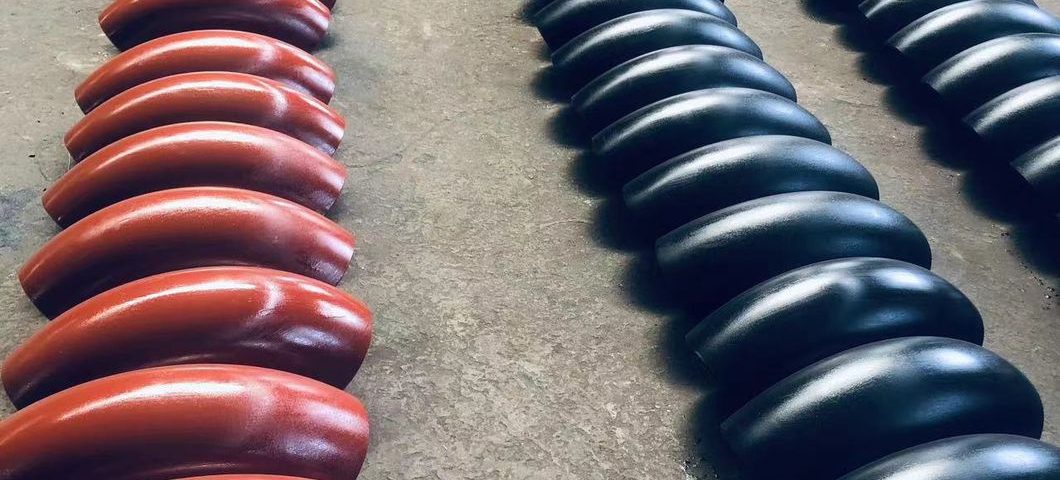
Technical Characteristics, Manufacturing, and Industrial Applications of ASTM A234 WP5 Alloy Steel Pipe Fittings
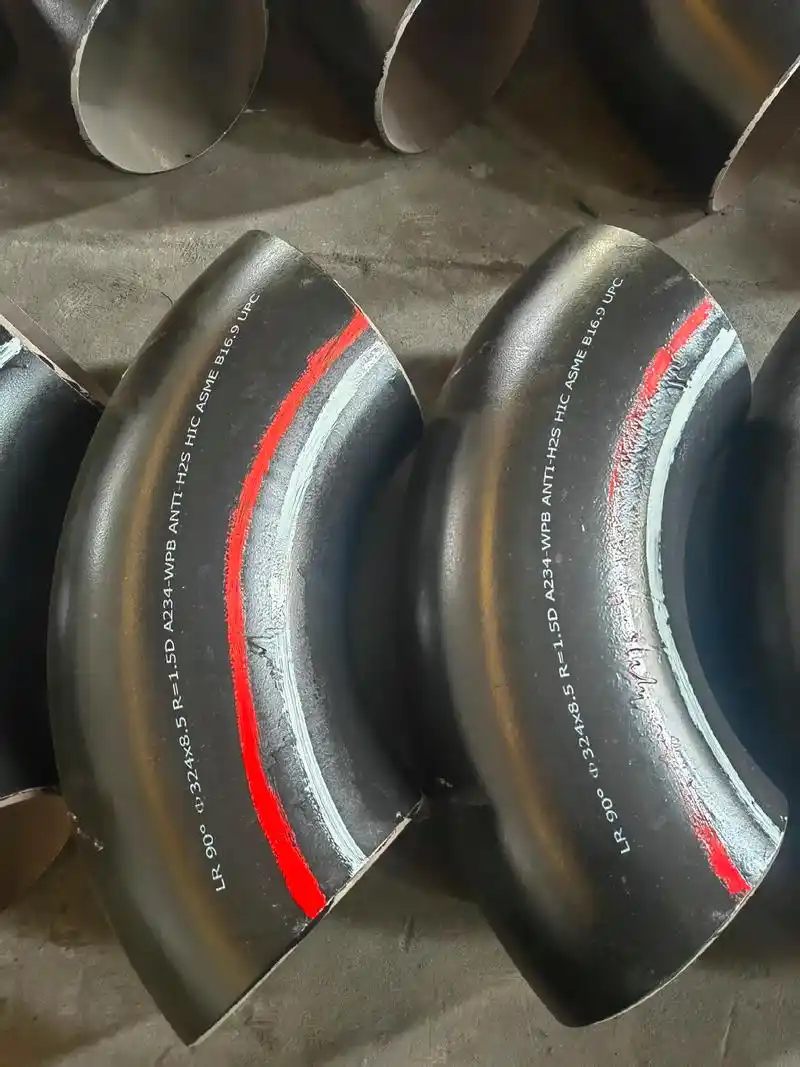
1. Introduction
2. ASTM A234 Standard and Material Designation System
2.1 Overview of ASTM A234 Standard
2.2 Designation System of ASTM A234 WP5
-
ASTM: Abbreviation for the American Society for Testing and Materials, the issuing organization of the standard.
-
A234: The standard number, specifically governing wrought carbon steel and alloy steel pipe fittings.
-
WP: Stands for “Wrought Pipe,” indicating that the fitting is manufactured from wrought material (processed by forging, rolling, or extrusion) rather than cast material. Wrought materials typically exhibit better mechanical properties and structural uniformity compared to cast materials.
-
5: The alloy grade identifier, specifying a Cr-Mo alloy steel with a chromium content of 4.0-6.0% and a molybdenum content of 0.44-0.65%. This grade is specifically designed for moderate high-temperature service.
2.3 Equivalent Materials and Standard Compliance
3. Chemical Composition and Mechanical Properties of ASTM A234 WP5
3.1 Chemical Composition
|
Element
|
ASTM A234 WP5 CL1 & CL3
|
Function
|
|---|---|---|
|
Carbon (C)
|
≤ 0.15
|
Enhances strength and hardness; controlled to ≤ 0.15% to ensure good weldability and avoid excessive carbide precipitation at elevated temperatures.
|
|
Silicon (Si)
|
≤ 0.50
|
Acts as a deoxidizer during steelmaking; improves oxidation resistance and strength.
|
|
Manganese (Mn)
|
0.30 – 0.60
|
Improves strength and toughness; enhances the hardenability of the material.
|
|
Phosphorus (P)
|
≤ 0.040
|
Harmful impurity; controlled to a low level to avoid reducing toughness and increasing brittleness.
|
|
Sulfur (S)
|
≤ 0.030
|
Harmful impurity; causes hot brittleness during processing; strictly controlled to ensure good ductility and toughness.
|
|
Chromium (Cr)
|
4.0 – 6.0
|
Key alloying element; improves high-temperature oxidation resistance and corrosion resistance; enhances strength at elevated temperatures.
|
|
Molybdenum (Mo)
|
0.44 – 0.65
|
Key alloying element; improves creep resistance and high-temperature strength; refines grain structure and enhances toughness.
|
|
Nickel (Ni)
|
≤ 0.40 (typical)
|
Trace element; improves toughness and corrosion resistance in certain environments.
|
3.2 Mechanical Properties
|
Property
|
ASTM A234 WP5 CL1
|
ASTM A234 WP5 CL3
|
Test Standard
|
|---|---|---|---|
|
Tensile Strength (TS), min
|
415 MPa (60 ksi)
|
520 MPa (75 ksi)
|
ASTM E8/E8M
|
|
Yield Strength (YS, 0.2% offset), min
|
205 MPa (30 ksi)
|
310 MPa (45 ksi)
|
ASTM E8/E8M
|
|
Hardness (HB), max
|
217 HB
|
217 HB
|
ASTM E10
|
|
Sample Type/Thickness
|
Longitudinal
|
Transverse
|
Notes
|
|---|---|---|---|
|
Standard round specimen (4D gauge length)
|
22
|
14
|
Applicable to all thicknesses
|
|
Rectangular specimen (thickness ≥ 7.94 mm, 2 in. gauge length)
|
30
|
20
|
Full-section or small-size specimen
|
|
Thickness = 7.14 mm (9/32 in.)
|
28.5
|
19.0
|
Calculated by linear interpolation
|
|
Thickness = 6.35 mm (1/4 in.)
|
27.0
|
18.0
|
Calculated by linear interpolation
|
|
Thickness = 1.59 mm (1/16 in.)
|
18.0
|
–
|
Transverse elongation not required
|
|
Grade
|
Tensile Strength (MPa), min
|
Yield Strength (MPa), min
|
Elongation (%), min
|
Max Service Temperature (℃)
|
|---|---|---|---|---|
|
WPB (Carbon Steel)
|
415
|
240
|
22
|
425
|
|
WPC (Carbon Steel)
|
485
|
275
|
22
|
425
|
|
WP5 CL1 (Alloy Steel)
|
415
|
205
|
22
|
600
|
|
WP5 CL3 (Alloy Steel)
|
520
|
310
|
22
|
600
|
|
WP11 (Alloy Steel)
|
415
|
205
|
22
|
595
|
|
WP22 (Alloy Steel)
|
415
|
205
|
22
|
650
|
|
WP91 (Alloy Steel)
|
585
|
415
|
20
|
650
|
4. Heat Treatment of ASTM A234 WP5
4.1 Heat Treatment Requirements
-
Full Annealing: The fitting is heated to a temperature of 815-870℃ (1500-1600℉), held at this temperature for a sufficient time to ensure uniform heating, and then cooled slowly in the furnace to below the critical range (approximately 595℃, 1100℉). This process reduces hardness, improves ductility and toughness, and eliminates residual stresses.
-
Normalizing and Tempering: Normalizing involves heating the fitting to 890-950℃ (1635-1740℉), holding for a sufficient time, and then cooling in still air. Tempering is performed by reheating the normalized fitting to a minimum temperature of 675℃ (1250℉), holding for a sufficient time, and then cooling in air or water. This process refines the grain structure, improves strength and toughness, and ensures consistent mechanical properties. CL3 fittings typically require normalizing and tempering to achieve higher strength requirements.
4.2 Heat Treatment Process Parameters
|
Heat Treatment Type
|
Heating Temperature (℃)
|
Holding Time (min/in. of thickness)
|
Cooling Method
|
Applicable Grade
|
|---|---|---|---|---|
|
Full Annealing
|
815-870
|
30-60
|
Furnace cooling (≤ 55℃/h below 595℃)
|
CL1, CL3
|
|
Normalizing
|
890-950
|
15-30
|
Air cooling
|
CL3 (prior to tempering)
|
|
Tempering
|
≥ 675
|
30-60
|
Air cooling or water cooling
|
CL3 (after normalizing)
|
4.3 Effect of Heat Treatment on Microstructure and Performance
-
Strength and Hardness: Normalizing and tempering increase the tensile and yield strengths of the material compared to full annealing. For example, CL3 fittings treated with normalizing and tempering have a yield strength of 310 MPa, which is 51% higher than the 205 MPa yield strength of CL1 fittings treated with full annealing.
-
Ductility and Toughness: Full annealing results in the highest ductility and toughness, making it suitable for fittings that require extensive forming or welding. Normalizing and tempering provide a balance of strength and toughness, suitable for high-pressure applications.
-
Residual Stresses: Heat treatment effectively reduces residual stresses introduced during hot forming and welding, minimizing the risk of stress corrosion cracking during service.
-
High-Temperature Performance: The fine-grained microstructure resulting from proper heat treatment enhances the material’s creep resistance and high-temperature oxidation resistance, ensuring long-term service reliability at temperatures up to 600℃.
5. Manufacturing Processes of ASTM A234 WP5 Pipe Fittings
5.1 Raw Material Selection
5.2 Forging and Hot Forming
-
Forming Temperature: The forming temperature must be controlled within the range of 1050-1200℃ to ensure good plasticity and avoid the formation of harmful microstructures. Forming at temperatures exceeding 980℃ (1800℉) requires subsequent heat treatment (annealing, normalizing, or normalizing and tempering) as specified in Section 4.
-
Cooling Rate: After hot forming, the fitting must be cooled to below the critical range (≤ 595℃) at a rate no faster than the cooling rate in still air to prevent the formation of martensite and other brittle microstructures.
-
Dimensional Accuracy: The forging process must be controlled to ensure the dimensional accuracy of the fitting, including outer diameter, inner diameter, wall thickness, and angle (for elbows). Dimensional tolerances must comply with ASME B16.9 and other relevant standards.
-
Defect Prevention: Forging must be performed to avoid the formation of injurious defects, such as cracks, laps, seams, and internal porosity. These defects can significantly reduce the structural integrity and performance of the fitting.
5.3 Welding Process
-
Welding Consumables: The welding consumables (electrodes, filler metal) must be compatible with ASTM A234 WP5, with a chemical composition similar to the base material to ensure consistent performance. For example, E410NiMo electrodes are commonly used for SMAW of WP5 fittings.
-
Preheating and Post-Weld Heat Treatment (PWHT): Preheating to a temperature of 150-250℃ is typically required to reduce the cooling rate of the weld, prevent the formation of martensite, and avoid cold cracking. Post-weld heat treatment (tempering at ≥ 675℃) is necessary to reduce residual stresses, improve weld toughness, and ensure the weld metal has mechanical properties consistent with the base material.
-
Weld Quality Control: Welds must be inspected for defects using non-destructive testing (NDT) methods, such as radiographic testing (RT), ultrasonic testing (UT), magnetic particle testing (MT), or liquid penetrant testing (PT). Weld defects such as cracks, porosity, and incomplete fusion must be repaired and re-inspected before the fitting is accepted.
5.4 Machining and Finishing
-
Surface Finish: The surface finish of the fitting must comply with ASME B16.9, typically requiring a surface roughness (Ra) of ≤ 6.3 μm to ensure good weldability and prevent stress concentration.
-
Dimensional Tolerances: Machining must be controlled to ensure tight dimensional tolerances, including wall thickness variation (≤ ±10% of the nominal wall thickness), end face perpendicularity, and groove dimensions.
-
Deburring and Cleaning: After machining, the fitting must be deburred to remove sharp edges and cleaned to remove oil, grease, and debris, which could affect welding quality and service performance.
6. Service Performance of ASTM A234 WP5 Under High-Temperature and High-Pressure Conditions
6.1 High-Temperature Strength and Creep Resistance
|
Temperature (℃)
|
Creep Rupture Strength (MPa) for 10,000 h
|
Creep Rupture Strength (MPa) for 100,000 h
|
|---|---|---|
|
450
|
150
|
110
|
|
500
|
120
|
85
|
|
550
|
85
|
55
|
|
600
|
50
|
30
|
6.2 Corrosion Resistance
|
Environment
|
Temperature (℃)
|
Corrosion Rate (mm/year)
|
|---|---|---|
|
High-temperature steam (10 MPa)
|
500
|
0.01-0.03
|
|
Hydrocarbon gas (methane + ethane)
|
550
|
0.02-0.04
|
|
Weak acid solution (pH = 4-6)
|
100
|
0.05-0.10
|
|
Chloride-containing water (100 ppm Cl⁻)
|
200
|
0.08-0.12
|
6.3 Fatigue Resistance
7. Industrial Applications of ASTM A234 WP5 Pipe Fittings
7.1 Petrochemical Refineries
-
Distillation Columns: Used in the piping systems connecting distillation columns, where the temperature ranges from 350-550℃ and the pressure ranges from 1-5 MPa. WP5 fittings ensure reliable connection and flow control of hydrocarbon fractions.
-
Cracking Units: Used in fluid catalytic cracking (FCC) and hydrocracking units, where the temperature can reach 500-600℃ and the pressure can exceed 10 MPa. WP5 fittings’ high-temperature strength and creep resistance make them suitable for these severe service conditions.
-
Heat Exchangers: Used in the inlet and outlet piping of heat exchangers, where the temperature changes between 200-550℃. WP5 fittings’ good thermal conductivity and corrosion resistance ensure efficient heat transfer and long service life.
7.2 Thermal Power Plants
-
Boiler Piping: Used in the piping connecting the boiler to the turbine, where the steam temperature is 450-550℃ and the pressure is 10-15 MPa. WP5 fittings’ high-temperature strength and creep resistance ensure the integrity of the steam piping system.
-
Superheater and Reheater Piping: Used in the superheater and reheater systems, where the steam is heated to temperatures up to 550℃. WP5 fittings’ good oxidation resistance and high-temperature strength make them suitable for these applications.
-
Feedwater Piping: Used in the feedwater system, where the water temperature is 200-300℃ and the pressure is 15-20 MPa. WP5 fittings’ high-pressure strength and corrosion resistance ensure reliable water supply to the boiler.
7.3 Chemical Processing Units
-
Reactor Piping: Used in the piping connecting reactors, where the temperature ranges from 300-500℃ and the pressure ranges from 5-10 MPa. WP5 fittings’ corrosion resistance and high-temperature strength ensure the safe transport of reactive chemicals.
-
Solvent Recovery Systems: Used in solvent recovery systems, where the temperature is 250-400℃ and the pressure is 1-3 MPa. WP5 fittings’ good chemical resistance ensures compatibility with various solvents.
8. Quality Control and Testing Methods
8.1 Raw Material Inspection
-
Chemical Composition Analysis: Performed using optical emission spectroscopy (OES) or X-ray fluorescence (XRF) to verify the chemical composition of the raw material. The results must comply with the requirements specified in Table 1 (Chemical Composition of ASTM A234 WP5). For critical applications, additional wet chemical analysis may be required to confirm the content of key alloying elements such as chromium and molybdenum, ensuring no deviations that could affect the material’s high-temperature performance.
-
Mechanical Property Verification: Review of the Material Test Report (MTR) provided by the raw material supplier to confirm that the mechanical properties (tensile strength, yield strength, elongation, etc.) of the raw material meet the preliminary requirements of ASTM A234 WP5. If there are doubts about the MTR data, supplementary mechanical property tests (e.g., tensile test) may be conducted on the raw material samples.
-
Surface Defect Inspection: Visual inspection (VT) of the raw material surface to check for defects such as cracks, inclusions, scratches, and pits. For raw materials with a specified surface finish requirement, a surface roughness tester may be used to verify the surface roughness. Any surface defects that exceed the allowable range must be repaired or the raw material rejected.
-
Macrostructure and Microstructure Inspection: Forging blanks or thick-walled raw materials may require macrostructure inspection (e.g., acid etching test) to check for internal defects such as porosity, segregation, and shrinkage. Microstructure inspection (using optical microscopy) can be performed to confirm that the raw material has a uniform ferrite-pearlite structure without harmful phases such as martensite or bainite, which could affect subsequent processing and performance.
8.2 In-Process Quality Control
-
Forging and Hot Forming Inspection: Real-time monitoring of the forming temperature using infrared thermometers or thermocouples to ensure it remains within the range of 1050-1200℃. After forming, dimensional inspection of the semi-finished fittings (including outer diameter, inner diameter, wall thickness, angle, and length) is conducted using calipers, micrometers, and angle gauges, with tolerances complying with ASME B16.9. Visual inspection is also performed to check for surface defects such as cracks, laps, and seams caused by improper forming.
-
Welding Process Inspection: Monitoring of welding parameters (welding current, voltage, welding speed, and shielding gas flow rate) to ensure they are consistent with the qualified Welding Procedure Specification (WPS). Preheating temperature and interpass temperature are measured using temperature-indicating crayons or thermocouples to prevent cold cracking. After welding, visual inspection of the weld seam is carried out to check for appearance defects such as undercut, overlap, incomplete penetration, and excessive reinforcement. The weld seam width and height must meet the specified requirements.
-
Heat Treatment Process Inspection: Recording and monitoring of the heat treatment furnace temperature curve to ensure the heating temperature, holding time, and cooling rate comply with the requirements specified in Table 5 (Typical Heat Treatment Parameters for ASTM A234 WP5). The metal temperature of the fittings during heat treatment is verified using thermocouples attached to the fitting surface. After heat treatment, hardness testing (using Brinell hardness tester) is performed to confirm that the hardness does not exceed the maximum limit of 217 HB, ensuring the material has appropriate toughness.
8.3 Final Product Testing
-
Non-Destructive Testing (NDT): NDT methods are widely used in final product testing due to their ability to detect internal and surface defects without damaging the product. Common NDT methods for ASTM A234 WP5 fittings include: – Radiographic Testing (RT): Used to inspect internal defects of welds and forged parts, such as cracks, porosity, incomplete fusion, and slag inclusions. The inspection scope and acceptance criteria comply with ASME Section V, Article 2. – Ultrasonic Testing (UT): Suitable for detecting internal defects in thick-walled fittings and welds, with high sensitivity to planar defects such as cracks. It is often used as a supplementary or alternative method to RT. – Magnetic Particle Testing (MT): Used to detect surface and near-surface defects (e.g., cracks, seams) in ferromagnetic materials like ASTM A234 WP5. It is typically applied to the fitting surface and weld seams after machining. – Liquid Penetrant Testing (PT): Used to detect surface open defects (e.g., cracks, pinholes) in non-magnetic or magnetic materials. It is suitable for fittings with complex shapes where MT is not applicable. The specific NDT methods and inspection ranges are determined based on the fitting’s size, thickness, and application requirements. Defects that do not meet the acceptance criteria must be repaired, and re-testing is required after repair until qualified.
-
Final Dimensional Inspection: Comprehensive dimensional inspection of the finished fittings using precision measuring tools (e.g., coordinate measuring machine, laser range finder) to confirm that all dimensions (including end face perpendicularity, groove dimensions, thread dimensions if applicable) meet the requirements of ASME B16.9 and the product drawing. Dimensional deviations must be within the allowable tolerance range to ensure interchangeability and assembly performance with pipes.
-
Mechanical Property Testing of Finished Products: Sampling testing of finished fittings is conducted in accordance with ASTM A234 requirements. Common tests include tensile test, impact test, and creep test. The tensile test verifies the tensile strength and yield strength of the finished product, ensuring they meet the requirements of CL1 or CL3 (Table 2). The impact test (especially at low temperatures or service temperatures) evaluates the material’s toughness, preventing brittle fracture. For fittings used in long-term high-temperature service, creep rupture test may be performed to confirm the creep resistance meets the design requirements.
-
Corrosion Resistance Testing: For fittings used in corrosive environments, supplementary corrosion resistance tests may be conducted, such as salt spray test, high-temperature steam oxidation test, or immersion test in simulated service media. These tests verify that the fitting’s corrosion rate is within the allowable range, ensuring long-term service reliability in corrosive environments.
-
Cleanliness and Surface Finish Inspection: Inspection of the finished fitting’s surface finish using a surface roughness tester to confirm Ra ≤ 6.3 μm. Check the cleanliness of the fitting interior and exterior to ensure no oil, grease, debris, or rust remains. For fittings used in high-purity media (e.g., petrochemical refined products), additional cleaning and inspection procedures may be required.
8.4 Quality Documentation and Traceability
-
Material Test Report (MTR): Provided for each batch of raw materials, including chemical composition, mechanical properties, heat treatment history, and inspection results.
-
Welding Procedure Specification (WPS) and Procedure Qualification Record (PQR): Documenting the welding parameters and qualification results, ensuring the welding process is qualified and repeatable.
-
Heat Treatment Record: Recording the furnace temperature curve, heating time, holding time, cooling rate, and operator information for each batch of fittings.
-
Non-Destructive Testing Report: Detailing the NDT methods used, inspection scope, defect location and size (if any), and acceptance results.
-
Final Inspection Report: Summarizing the final dimensional inspection, mechanical property testing, corrosion resistance testing, and cleanliness inspection results.
9. Conclusions and Prospects
-
The chemical composition of ASTM A234 WP5 (4.0-6.0% Cr, 0.44-0.65% Mo) endows it with excellent high-temperature strength, creep resistance, and corrosion resistance, making it suitable for long-term service at temperatures up to 600℃. The two classes (CL1 and CL3) with different mechanical properties meet the diverse requirements of different pressure and load conditions.
-
Proper heat treatment (full annealing or normalizing and tempering) is crucial to ensuring the performance of ASTM A234 WP5. Strict control of heat treatment parameters (heating temperature, holding time, cooling rate) can refine the grain structure, reduce residual stresses, and achieve the desired balance of strength and toughness.
-
The manufacturing processes of ASTM A234 WP5 (raw material selection, forging/hot forming, welding, machining) require strict technical control. Especially in forging temperature control, welding process parameter monitoring, and post-weld heat treatment, any deviation may lead to defects and affect product performance.
-
ASTM A234 WP5 pipe fittings have broad industrial applications in petrochemical refineries, thermal power plants, and chemical processing units, providing reliable support for the safe and efficient operation of critical industrial systems. Their balance of cost and performance makes them a preferred choice for moderate high-temperature and pressure applications compared to carbon steel and high-alloy steel fittings.
-
A comprehensive quality control system covering raw material inspection, in-process inspection, and final product testing, combined with complete quality documentation and traceability, is an effective guarantee for the quality and reliability of ASTM A234 WP5 pipe fittings. The application of multiple non-destructive testing methods and mechanical property tests ensures that the finished products meet the requirements of relevant standards.
-
Optimization of Alloy Composition: On the basis of the existing chromium-molybdenum composition, adding trace alloying elements (e.g., vanadium, niobium) to further improve high-temperature creep resistance and corrosion resistance, expanding the application range to higher temperature and more severe corrosive environments.
-
Advancement of Manufacturing Processes: Adopting advanced manufacturing technologies such as precision forging, additive manufacturing (3D printing), and automated welding to improve dimensional accuracy, reduce defects, and enhance production efficiency. The application of intelligent monitoring systems in the manufacturing process can realize real-time tracking and control of process parameters, improving the stability of product quality.
-
Improvement of Testing and Evaluation Methods: Developing more efficient and accurate non-destructive testing technologies (e.g., phased array ultrasonic testing, eddy current testing) to detect micro-defects in fittings more effectively. Establishing a more comprehensive performance evaluation system that combines long-term service data and accelerated aging tests to predict the service life of ASTM A234 WP5 fittings more accurately.
-
Promotion of Standardization and Internationalization: Strengthening the alignment and integration of ASTM A234 standards with international and regional standards (e.g., EN, JIS) to facilitate the global circulation and application of ASTM A234 WP5 pipe fittings. Formulating more detailed application guidelines for different industries to provide more targeted technical support for engineering practice.

Related posts
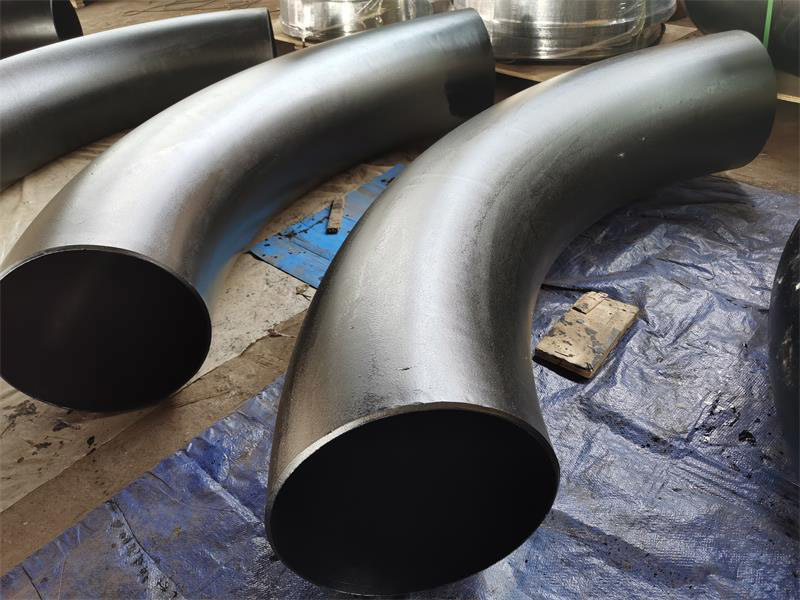
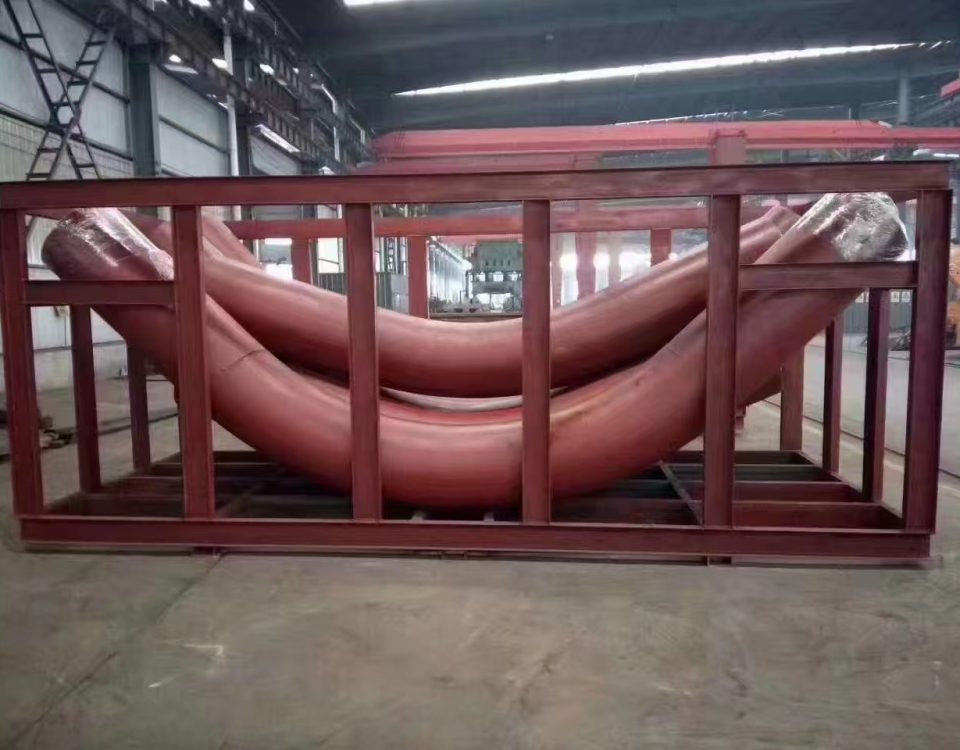
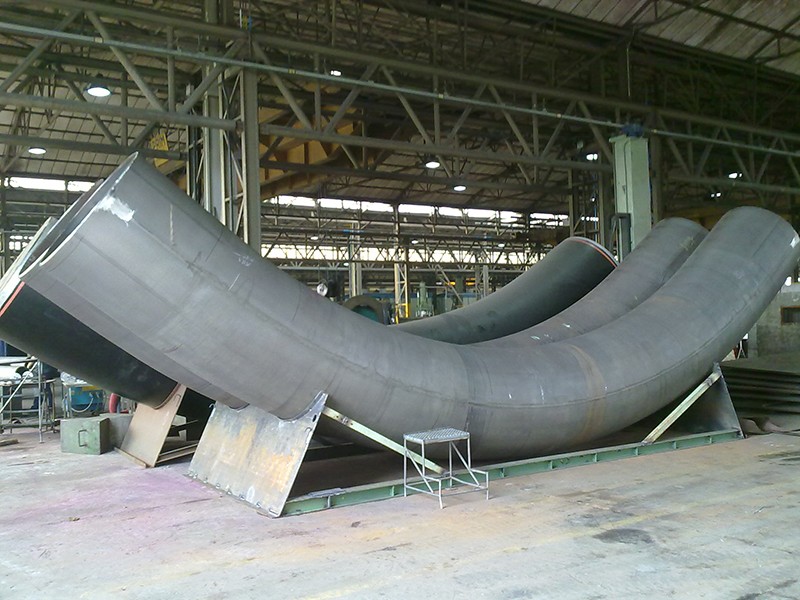
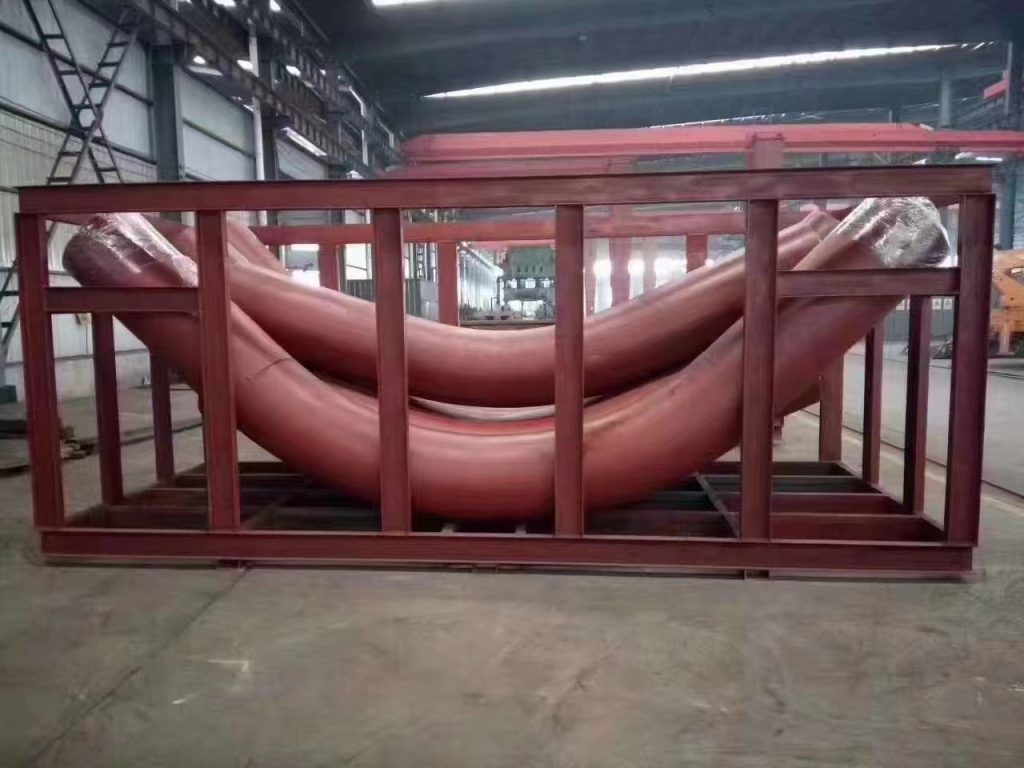
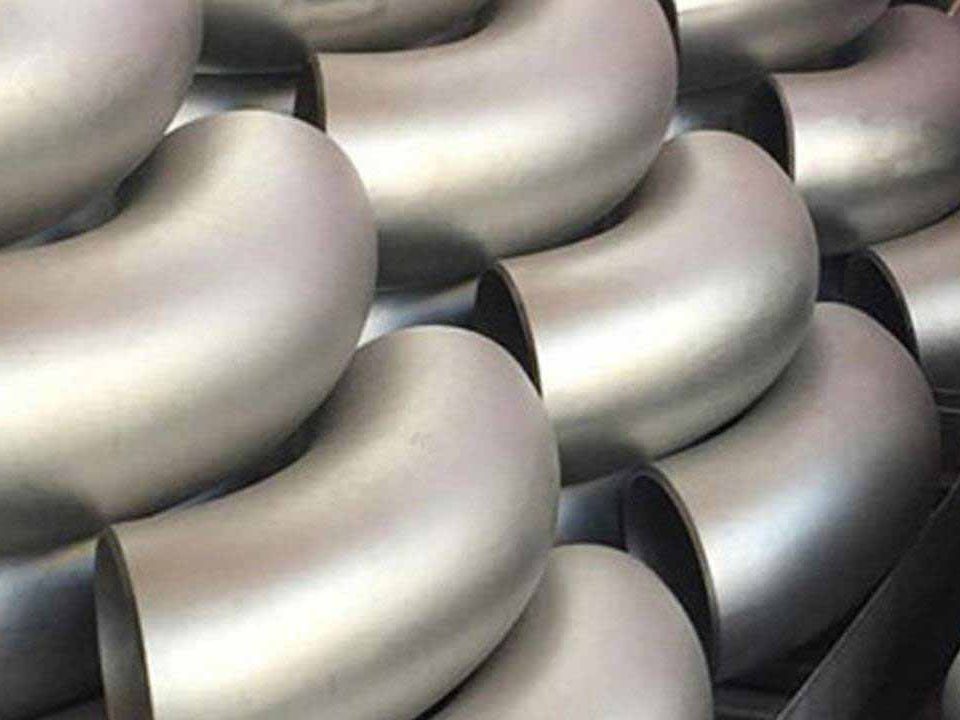
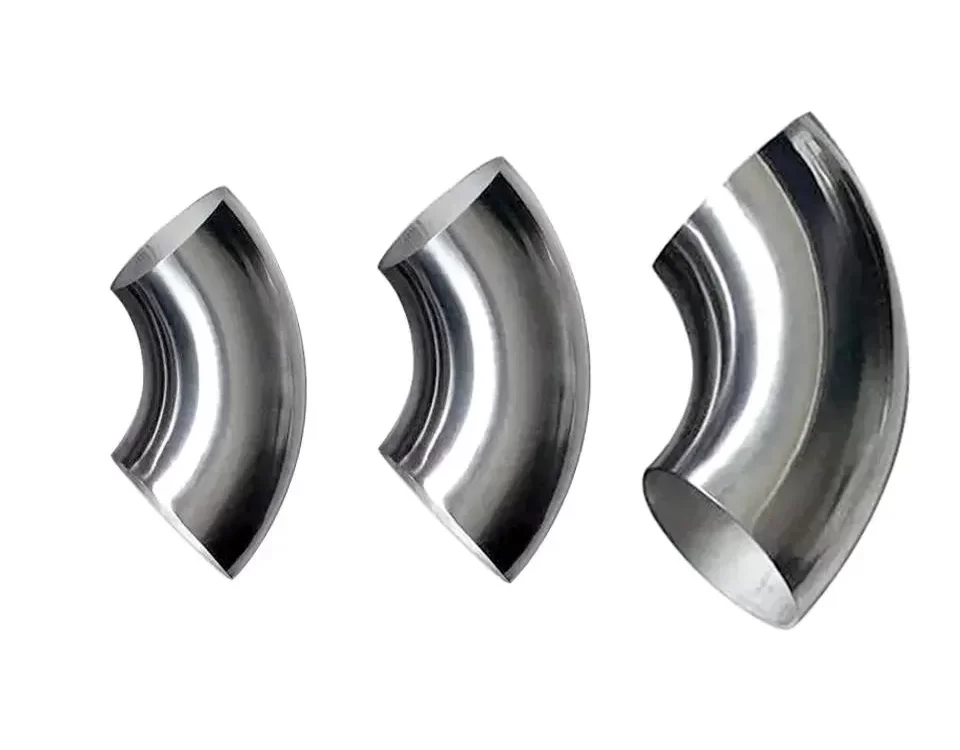
Induction bends come in standard bend angles (e.g. 45°, 90°, etc.) or can be custom made to specific bend angles. Compound bends (out-of-plane) bends in a single joint of pipe can also be produced. The bend radius is specified as a function of the diameter. For example, common bend radii for induction bends are 3D, 5D and 7D, where D is the nominal pipe diameter.
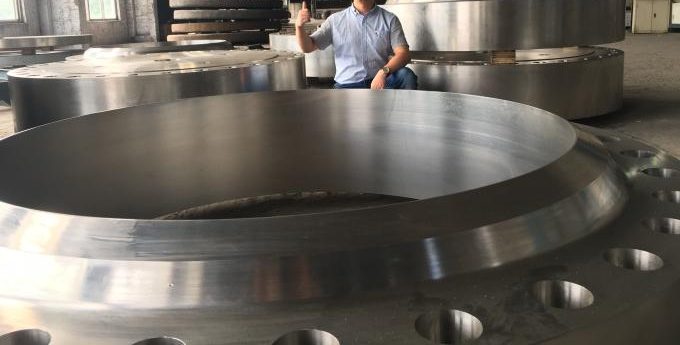
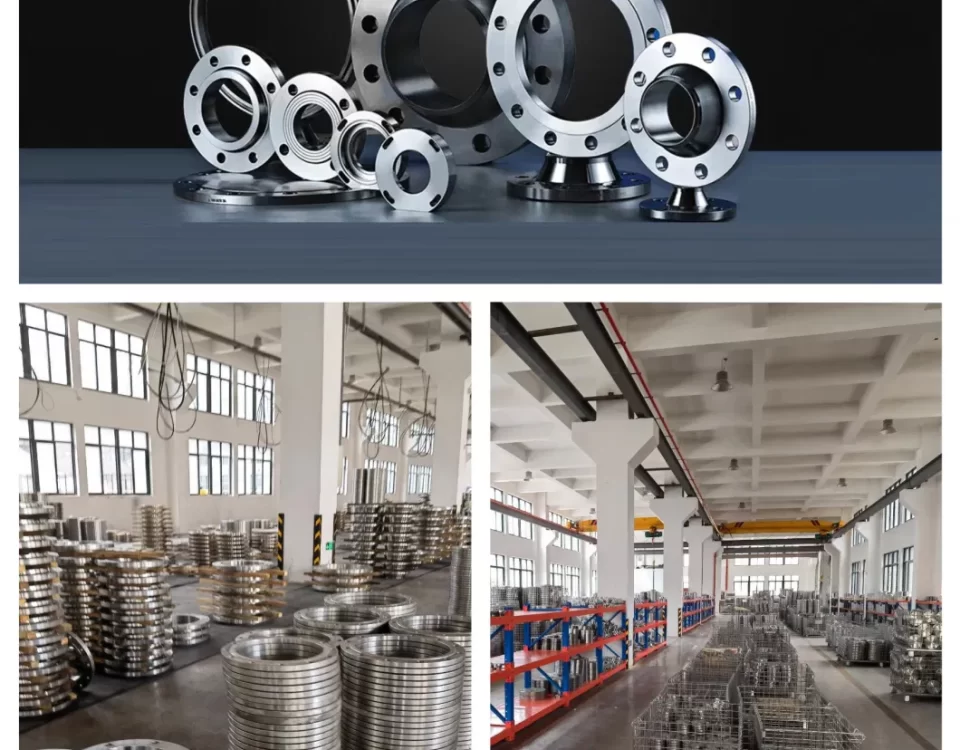
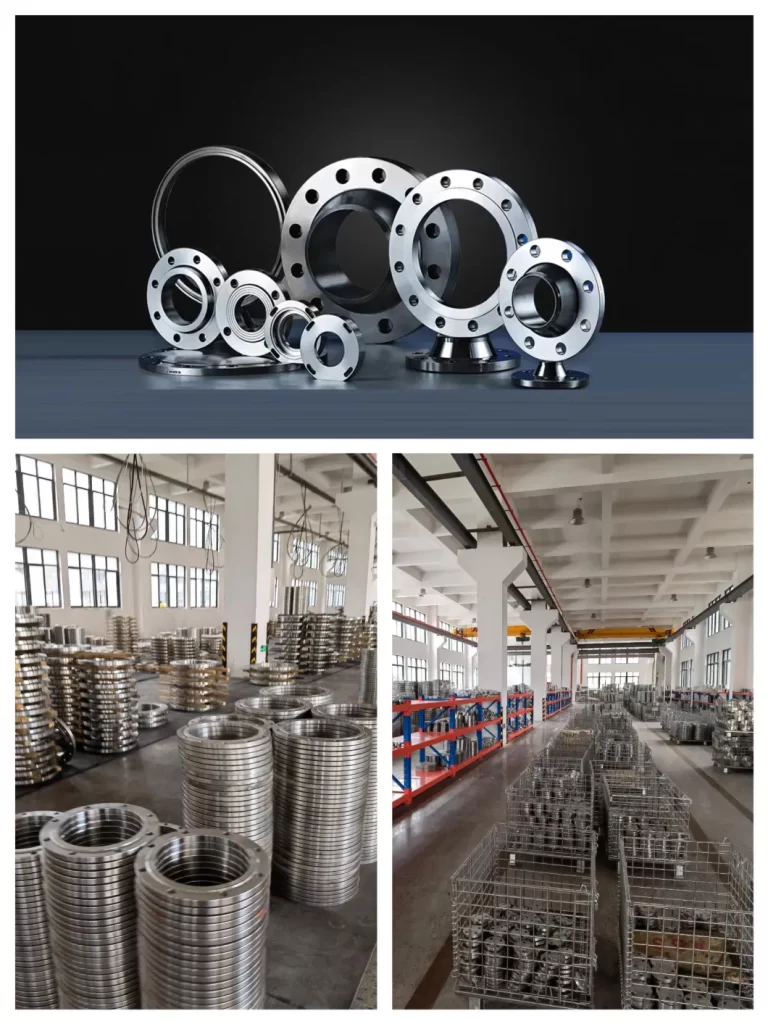
Duplex 2205 and Super Duplex 2507 stainless steel flanges are characterized by their high yield strength, which is twice that of the annealed yield strength of typical austenitic stainless steels, like 304 and 316 stainless steel flanges. Because of this, Duplex 2205 and Super Duplex 2507 steel are some of the most common grades of duplex used for flanges with Super Duplex 2507 flanges being the more corrosion resistant grade of the two.