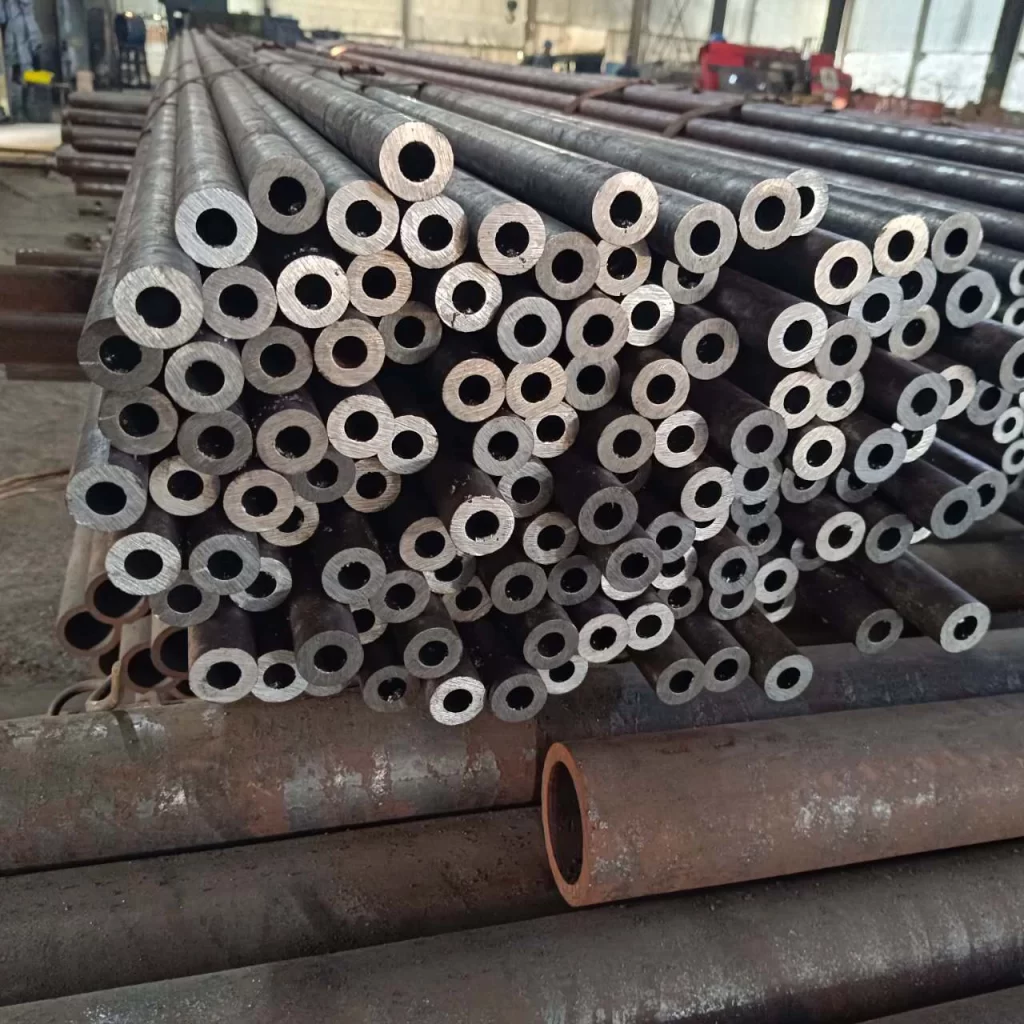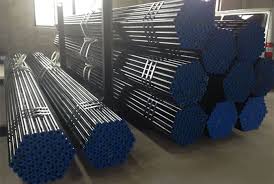
ASTM A519 SAE 1020 Seamless Tubes
February 8, 2026
How to Choose the Honed Steel Pipe for the Hydraulic Industry
February 14, 2026
Development and Application of Guanzhong Frequency Thermal Expansion Seamless Steel Pipe Technology
I’ve been a field engineer specializing in seamless steel pipe production for 18 years, most of which I’ve spent working in Guanzhong’s steel manufacturing bases—from the old workshops in Baoji to the intelligent production lines in Xi’an Economic and Technological Development Zone. What I’m going to talk about today isn’t just a technical report; it’s the result of countless late nights debugging equipment, dealing with on-site failures, and optimizing processes alongside my team. Guanzhong Frequency Thermal Expansion Seamless Steel Pipe Technology, or Guanzhong Frequency Thermal Expansion Tech for short, isn’t just a copy of foreign technologies. It’s a combination of Guanzhong’s industrial heritage, local resource advantages, and our team’s hands-on experience over the years. Let me break it down for you—no fancy jargon for the sake of it, just real technical details, actual on-site cases, and the trends I’ve seen firsthand.
First, let’s get one thing straight: why Guanzhong? Why did this technology take root and thrive here, rather than in other steel-producing regions in China? I’ve thought about this a lot, especially when I was helping a Shandong-based enterprise replicate our process a few years ago. They had the same equipment, the same raw materials, but the finished pipes just couldn’t match our quality. The answer, I realized later, lies in Guanzhong’s unique geographical and industrial environment. Guanzhong Plain is not only a major grain-producing area but also a hub of heavy industry, with rich coal resources in Tongchuan and Weinan, and abundant high-quality iron ore transported from adjacent Shanxi and Gansu provinces. The stable supply of raw materials reduces transportation costs and ensures consistent material quality—something that’s crucial for frequency thermal expansion technology, which is extremely sensitive to raw material fluctuations. Besides, Guanzhong has a long history of metal processing, dating back to the Qin Dynasty’s bronze casting. That heritage has fostered a group of skilled technicians who are meticulous and patient—qualities you can’t teach in a classroom but are essential for on-site process control.
Another factor is Guanzhong’s climate. Winters here are cold but dry, summers are hot but not overly humid. This may sound trivial, but for thermal expansion processes, humidity control is a nightmare. I remember a project in South China a few years back—we spent three months adjusting the process just because the high humidity caused uneven heating of the pipe blanks, leading to excessive ovality in the finished products. In Guanzhong, we rarely have that problem. The dry air ensures stable heat transfer during induction heating, reducing the need for expensive humidity control equipment. That’s a small advantage, but small advantages add up to big cost savings over time—especially for small and medium-sized steel enterprises in the region.
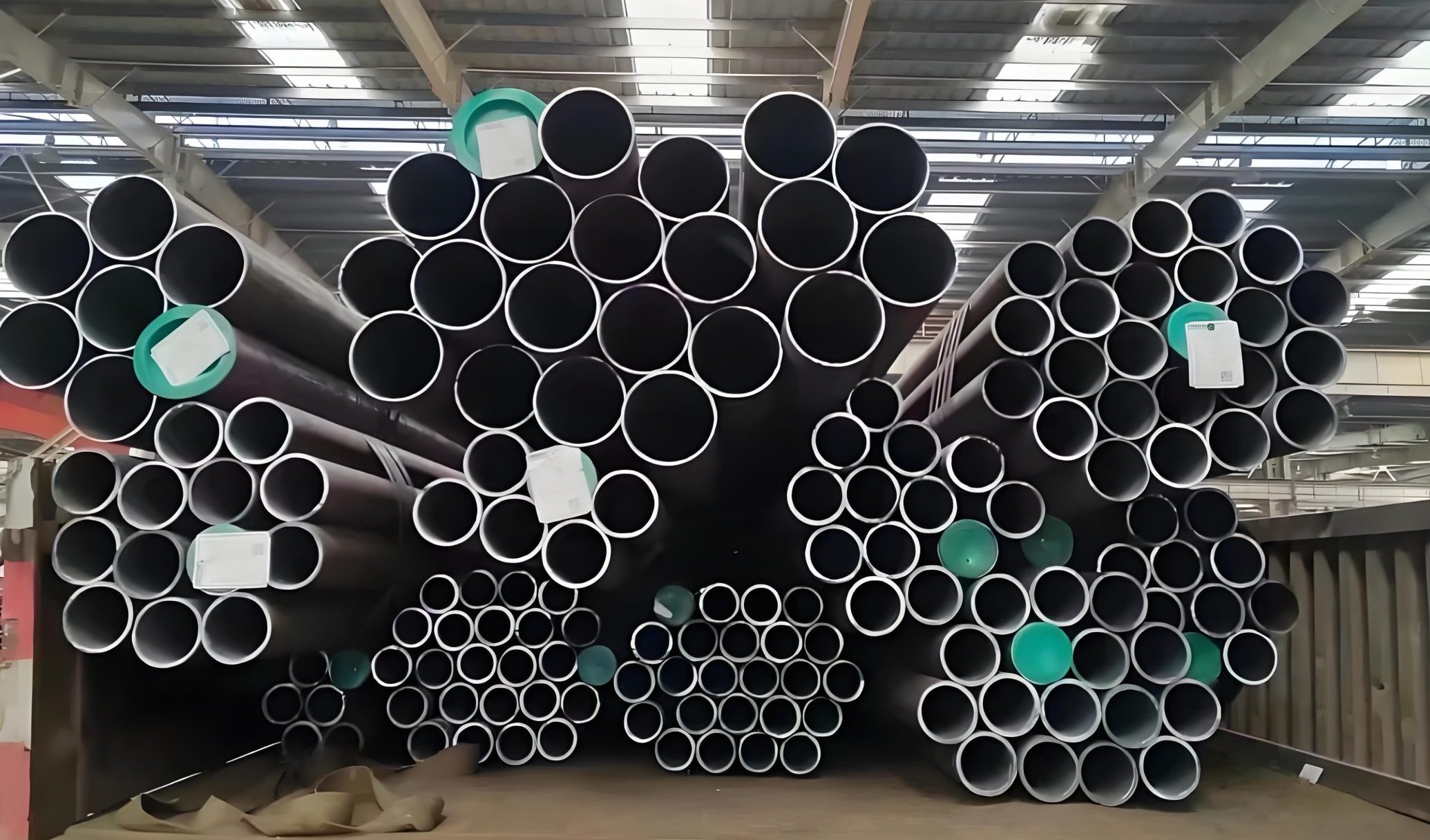
1. Overview of Guanzhong Frequency Thermal Expansion Seamless Steel Pipe Technology
Before diving into the technical details, let’s clarify what frequency thermal expansion seamless steel pipe technology actually is. Simply put, it’s a process that takes a small-diameter seamless steel pipe blank (also called the mother pipe) and heats it to a specific temperature using medium-frequency induction heating, then expands it to the desired diameter and wall thickness using a hydraulic pushing device and a mold. Unlike traditional hot rolling or cold drawing processes, frequency thermal expansion uses localized heating and controlled expansion, which means it can produce large-diameter seamless pipes without the need for large-scale rolling mills. That’s a game-changer for Guanzhong’s steel industry, which has long been dominated by medium-sized enterprises that can’t afford the billions of yuan needed for a large hot rolling line.
Guanzhong Frequency Thermal Expansion Tech isn’t a new technology—it evolved from the medium-frequency thermal expansion technology introduced from Germany in the 1990s. But over the past 20 years, we’ve localized and optimized it to suit Guanzhong’s needs. The core improvements we’ve made include adapting the technology to local raw materials (which have slightly different chemical compositions than imported ones), optimizing the induction heating parameters to reduce energy consumption (using Tongchuan’s low-sulfur coal for power generation), and developing intelligent control systems that are easy to operate for local technicians (many of whom are not highly educated but have years of on-site experience).
Let’s talk about the development history briefly—from my perspective, not from a textbook. In the early 2000s, when I first started in this industry, most seamless steel pipe enterprises in Guanzhong were producing small-diameter pipes using cold drawing processes. The market demand for large-diameter seamless pipes (above 508mm) was huge, but almost all of them were imported from Germany or Japan. The price was sky-high—sometimes three times the price of small-diameter pipes. In 2005, a few enterprises in Baoji and Xi’an started importing medium-frequency thermal expansion equipment from Germany, but they ran into problems immediately. The German technicians who came to install the equipment didn’t understand our local raw materials; they set the heating parameters based on imported steel blanks, which led to frequent pipe bursts during expansion. I was working in a Baoji factory at the time, and we spent six months debugging the equipment—changing the heating frequency, adjusting the pushing speed, and modifying the mold design. That was a tough period; we had a lot of waste products, and the factory almost gave up on the technology. But we persisted, and in 2007, we successfully produced the first batch of qualified large-diameter seamless pipes using local steel blanks. That was a milestone for Guanzhong’s steel industry.
Since then, the technology has continued to evolve. In 2015, we started integrating intelligent control systems—nothing too fancy, just simple PLC controllers that can automatically adjust heating temperature and pushing speed based on real-time data. In 2020, amid the national “double carbon” policy, we optimized the process to reduce energy consumption by 15% compared to the original German technology. And in 2024, we developed a new type of mold material that extends the mold life by 30%, further reducing production costs. Today, there are more than 30 enterprises in Guanzhong using this technology, with an annual output of over 800,000 tons—accounting for 12% of China’s total output of large-diameter seamless steel pipes. That’s a far cry from the early 2000s, when we couldn’t produce a single qualified pipe.
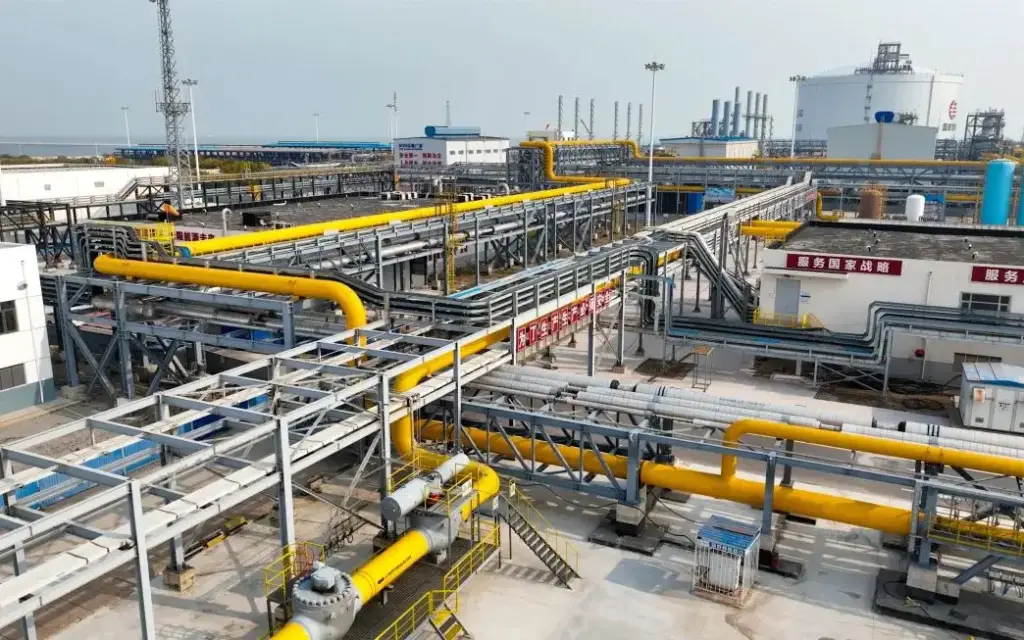
One thing I want to emphasize—again, because it’s important—is that Guanzhong Frequency Thermal Expansion Tech is not a one-size-fits-all solution. It’s designed for medium-sized enterprises that need to produce small to medium batches of large-diameter seamless pipes (usually 508mm to 1620mm in diameter, 6mm to 40mm in wall thickness). If you need to produce millions of tons of pipes per year, hot rolling is still more cost-effective. But for most enterprises in Guanzhong, which serve local infrastructure projects, oil and gas pipelines, and thermal power plants, this technology is perfect. It’s flexible, cost-effective, and easy to scale up or down based on market demand.
2. Core Technical Principles and Process Flow
2.1 Core Technical Principles
The core of frequency thermal expansion technology is the combination of medium-frequency induction heating and hydraulic controlled expansion. Let’s break this down into two parts—heating and expansion. I’ll keep the physics simple, because I’m a field engineer, not a physicist. If you want to dive deeper into the electromagnetic theory, you can refer to academic papers, but what matters on-site is understanding how these principles translate into practical operations.
First, medium-frequency induction heating. The medium frequency here refers to a frequency of 1kHz to 10kHz—lower than high-frequency (above 100kHz) and higher than power frequency (50Hz). Why medium frequency? Because high-frequency heating is too localized (only heating the surface of the pipe blank), which leads to uneven expansion and pipe bursts. Power frequency heating is too slow and consumes too much energy. Medium frequency is just right—it heats the entire cross-section of the pipe blank evenly, from the inner wall to the outer wall, without overheating the surface.
The principle of induction heating is electromagnetic induction. When an alternating current passes through the induction coil, it generates an alternating magnetic field. When the pipe blank is placed in this magnetic field, eddy currents are generated inside the pipe blank. These eddy currents produce heat due to the resistance of the steel—this is called Joule heating. The heat generated is proportional to the square of the eddy current density, which is related to the frequency of the alternating current, the magnetic permeability of the steel, and the cross-sectional area of the pipe blank. The formula for calculating the eddy current heating power is as follows:
$$P = k \times f^2 \times B^2 \times S \times \rho$$
Where: P = Eddy current heating power (W) k = Proportionality constant (related to the shape of the pipe blank and the induction coil) f = Frequency of the alternating current (Hz) B = Magnetic flux density (T) S = Cross-sectional area of the pipe blank (m²) ρ = Electrical resistivity of the steel (Ω·m)
On-site, we don’t calculate this formula every day, but we use it to guide our parameter adjustments. For example, if the pipe blank has a larger cross-sectional area (thicker wall), we need to increase the frequency or the magnetic flux density to ensure sufficient heating power. If we use a steel grade with higher resistivity (like alloy steel), we can reduce the frequency slightly to avoid overheating.
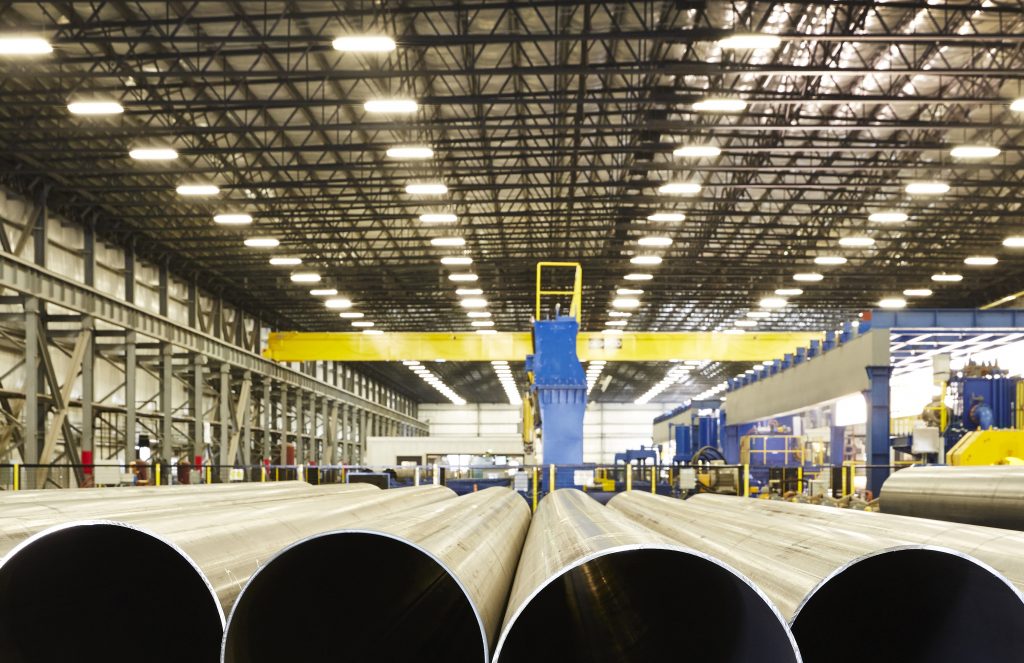
Second, hydraulic controlled expansion. Once the pipe blank is heated to the optimal temperature (usually 950°C to 1100°C, depending on the steel grade), it’s pushed into a mold using a hydraulic cylinder. The mold has a tapered inner surface, and a mandrel is inserted into the pipe blank. As the pipe blank is pushed forward, it expands along the tapered mold to the desired diameter. The key here is controlling the pushing speed and the hydraulic pressure—too fast, and the pipe will burst; too slow, and the pipe will cool down before expansion is complete, leading to excessive hardness and poor ductility.
The relationship between pushing speed, hydraulic pressure, and expansion ratio is crucial. The expansion ratio (ER) is the ratio of the outer diameter of the finished pipe to the outer diameter of the mother pipe. The formula for expansion ratio is:
$$ER = \frac{D_f}{D_m}$$
Where: ER = Expansion ratio (dimensionless) D_f = Outer diameter of the finished pipe (mm) D_m = Outer diameter of the mother pipe (mm)
For Guanzhong Frequency Thermal Expansion Tech, the maximum expansion ratio we can achieve is 3.0 (i.e., expanding a 508mm mother pipe to a 1524mm finished pipe). But in practice, we rarely go above 2.5, because higher expansion ratios increase the risk of pipe bursts and uneven wall thickness. The optimal expansion ratio for most applications is 1.5 to 2.0—this balance ensures quality and production efficiency.
Another key principle is the control of the heating temperature. Different steel grades have different optimal heating temperatures. For example, carbon steel (Q235, Q355) has an optimal heating temperature of 950°C to 1050°C, while alloy steel (12Cr1MoV, 20G) needs a higher temperature—1000°C to 1100°C. If the temperature is too low, the steel is too hard, and it will crack during expansion. If the temperature is too high, the steel will oxidize excessively, leading to a rough surface and reduced mechanical properties. I’ve made this mistake before—once, a new technician set the heating temperature 50°C too high for a batch of Q355 pipe blanks. The finished pipes had a thick oxide layer on the surface, and we had to grind them down, which increased production costs and delayed delivery. That’s a lesson I still remind my team of today: temperature control is everything.

2.2 Process Flow
The process flow of Guanzhong Frequency Thermal Expansion Seamless Steel Pipe Technology is relatively simple compared to hot rolling, but each step requires strict control. I’ll walk you through the process step by step, with on-site notes that you won’t find in textbooks.
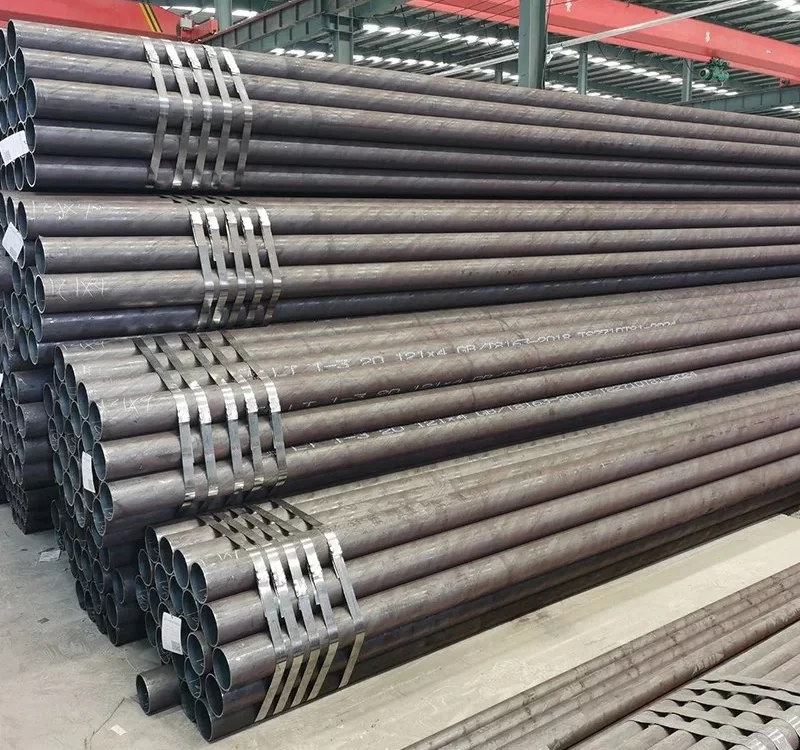
Step 1: Selection and Inspection of Mother Pipes. The mother pipe is the foundation of the entire process—if the mother pipe has defects, the finished pipe will have defects too. We usually use seamless steel pipes produced by cold drawing or hot rolling as mother pipes, with a diameter of 159mm to 508mm and a wall thickness of 8mm to 50mm. The mother pipes must be inspected for surface defects (scratches, cracks, rust) and internal defects (inclusions, porosity) using ultrasonic testing (UT) and magnetic particle testing (MT). I remember a batch of mother pipes we received from a Shanxi supplier a few years ago—they looked fine on the surface, but UT testing revealed internal inclusions. We rejected the entire batch, even though it meant delaying production for a week. It’s better to lose a week than to produce hundreds of defective pipes that will be returned by the customer.
Step 2: Pretreatment of Mother Pipes. After inspection, the mother pipes are cleaned to remove surface rust, oil, and oxide scales. We use shot blasting for this—high-speed steel shots are sprayed onto the surface of the mother pipes to remove impurities. The shot blasting pressure is usually 0.6MPa to 0.8MPa, and the shot size is 1.0mm to 1.5mm. This step is often overlooked, but it’s crucial for uniform heating. If there’s oil on the surface, it will burn during heating, causing local overheating. If there’s rust, it will insulate the pipe blank, leading to uneven heating. We once had a problem with ovality in the finished pipes, and after checking every step, we found that the shot blasting pressure was too low—some rust remained on the surface. Increasing the pressure solved the problem.
Step 3: Medium-Frequency Induction Heating. The pretreated mother pipes are fed into the induction heating furnace. The furnace has a single-turn or multi-turn induction coil, depending on the diameter of the mother pipe. For small-diameter mother pipes (159mm to 325mm), we use a single-turn coil; for larger diameters (325mm to 508mm), we use a multi-turn coil. The heating frequency is adjusted based on the steel grade and the wall thickness of the mother pipe—usually 2kHz to 8kHz. The heating time depends on the wall thickness: for a 10mm thick mother pipe, heating time is 30s to 40s; for a 40mm thick mother pipe, it’s 120s to 150s. We use infrared temperature sensors to monitor the surface temperature of the pipe blank in real time, and the PLC controller adjusts the heating power automatically to maintain the optimal temperature. One thing to note: the pipe blank must be heated evenly around its circumference. If one side is hotter than the other, the pipe will expand unevenly, leading to ovality. To avoid this, we rotate the pipe blank at a speed of 5r/min to 10r/min during heating.
Step 4: Hydraulic Pushing and Expansion. Once the pipe blank reaches the optimal temperature, it’s pushed into the expansion mold by a hydraulic cylinder. The hydraulic pressure is usually 15MPa to 30MPa, and the pushing speed is 5mm/s to 20mm/s. The mold is made of heat-resistant alloy steel (H13 steel), which can withstand high temperatures and high pressures. The mandrel, which is inserted into the pipe blank, is also made of H13 steel and has a tapered shape—this helps guide the expansion and ensure uniform wall thickness. During expansion, we monitor the wall thickness of the pipe in real time using a laser thickness gauge. If the wall thickness is too thick or too thin, we adjust the pushing speed or the hydraulic pressure. I’ve spent hours standing in front of the expansion machine, watching the laser thickness gauge and adjusting the parameters—this is the most hands-on part of the process, and it’s where experience really matters. You can’t rely solely on the PLC controller; you have to feel the machine, listen to the sound of expansion, and adjust accordingly.
Step 5: Cooling and Straightening. After expansion, the finished pipe is cooled to room temperature. We use air cooling for carbon steel pipes and water cooling for alloy steel pipes—air cooling is slower but more gentle, reducing the risk of cracking; water cooling is faster, which helps improve the mechanical properties of alloy steel. The cooling rate is controlled: for carbon steel, the cooling rate is 5°C/min to 10°C/min; for alloy steel, it’s 15°C/min to 20°C/min. After cooling, the pipe may have slight bending, so we straighten it using a hydraulic straightening machine. The straightening pressure is 10MPa to 20MPa, and we check the straightness using a straightness tester— the maximum allowable bending is 1mm per meter.
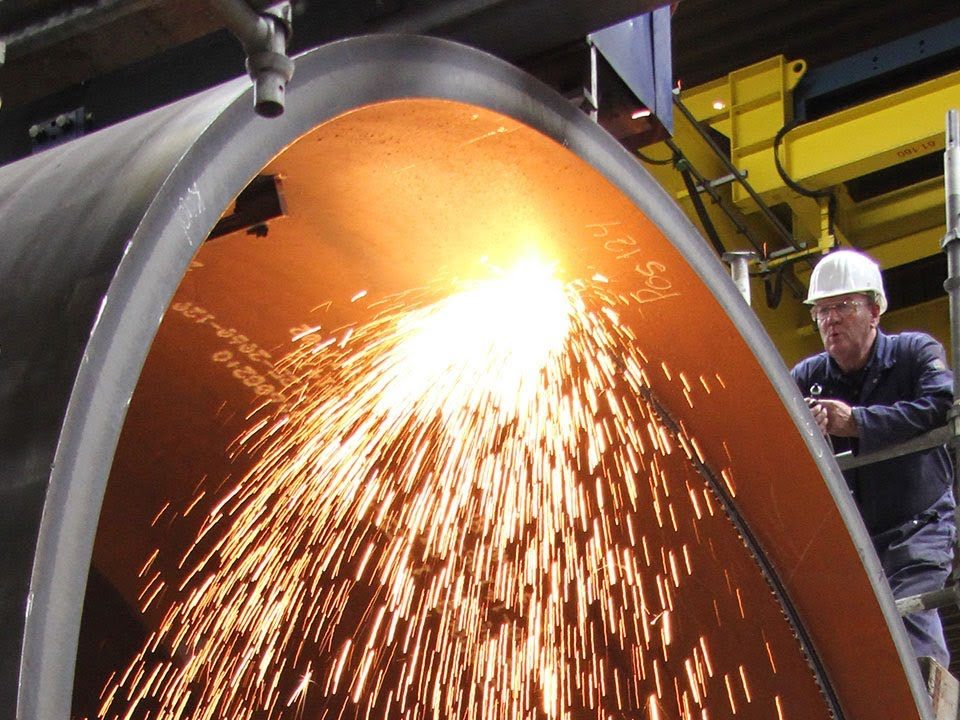
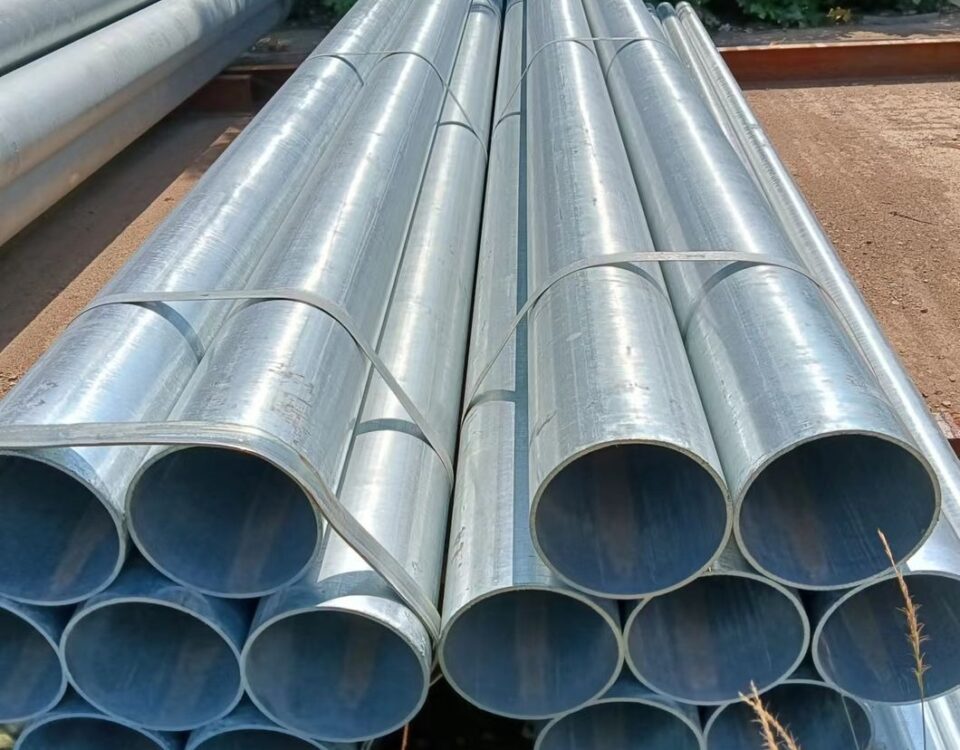
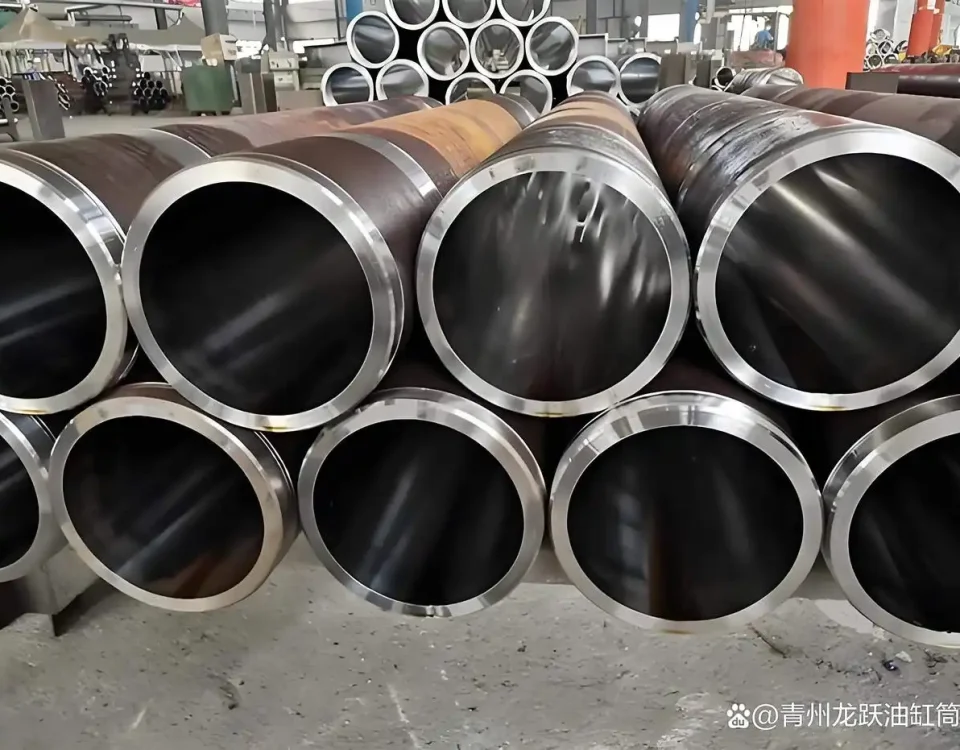
Step 6: Finishing and Inspection. The straightened pipes are cut to the desired length using a plasma cutting machine or a band saw. The ends of the pipes are beveled to facilitate welding in subsequent applications. Then, the pipes undergo a series of inspections: surface inspection (visual and MT), internal inspection (UT), dimensional inspection (diameter, wall thickness, straightness), and mechanical property testing (tensile strength, yield strength, elongation, impact toughness). Only pipes that pass all inspections are labeled and packaged for delivery. We have a strict inspection standard—even a small scratch on the surface can lead to rejection if it exceeds 0.5mm in depth. This strictness is why Guanzhong’s frequency thermal expansion seamless pipes are trusted by customers across China.
3. Key Technical Parameters and Performance Indicators
In this section, I’ll provide specific technical parameters and performance indicators—no vague terms, just real data from our on-site production. These parameters are optimized for Guanzhong’s local raw materials and production conditions, so they may differ slightly from other regions’ parameters. I’ll also include a table of common parameters, which is something we use on-site every day.
3.1 Key Technical Parameters
The key technical parameters of Guanzhong Frequency Thermal Expansion Seamless Steel Pipe Technology include parameters related to the mother pipe, induction heating, hydraulic expansion, and cooling. Let’s list them one by one, with explanations based on my experience.
First, mother pipe parameters. As I mentioned earlier, we usually use seamless steel pipes with a diameter of 159mm to 508mm and a wall thickness of 8mm to 50mm. The chemical composition of the mother pipe is crucial—here’s the typical chemical composition of the two most common steel grades we use (Q355 and 12Cr1MoV):
|
Steel Grade
|
C (%)
|
Si (%)
|
Mn (%)
|
P (%) ≤
|
S (%) ≤
|
Cr (%)
|
Mo (%)
|
|---|---|---|---|---|---|---|---|
|
Q355
|
0.18-0.24
|
0.17-0.37
|
1.20-1.60
|
0.035
|
0.035
|
–
|
–
|
|
12Cr1MoV
|
0.08-0.15
|
0.17-0.37
|
0.40-0.70
|
0.035
|
0.035
|
0.90-1.20
|
0.25-0.35
|
These chemical compositions are based on local steel mills’ products—Tongchuan Iron and Steel and Xi’an Iron and Steel are our main suppliers. The slightly higher Mn content in Q355 (1.20-1.60%) is to improve the steel’s toughness, which is important for expansion. The Cr and Mo in 12Cr1MoV improve its high-temperature resistance, making it suitable for thermal power plant pipelines.
Second, induction heating parameters. The heating frequency, power, temperature, and time are all critical. Here’s a table of typical induction heating parameters for different steel grades and mother pipe wall thicknesses:
|
Steel Grade
|
Mother Pipe Wall Thickness (mm)
|
Heating Frequency (kHz)
|
Heating Power (kW)
|
Optimal Heating Temperature (°C)
|
Heating Time (s)
|
|---|---|---|---|---|---|
|
Q355
|
8-15
|
6-8
|
200-300
|
950-1000
|
30-50
|
|
Q355
|
16-30
|
4-6
|
300-400
|
980-1030
|
50-90
|
|
Q355
|
31-50
|
2-4
|
400-500
|
1000-1050
|
90-150
|
|
12Cr1MoV
|
8-15
|
5-7
|
250-350
|
1000-1050
|
35-55
|
|
12Cr1MoV
|
16-30
|
3-5
|
350-450
|
1030-1080
|
55-95
|
|
12Cr1MoV
|
31-50
|
2-3
|
450-550
|
1050-1100
|
95-160
|
A few notes on these parameters: as the wall thickness increases, we decrease the frequency and increase the power and heating time. This is because thicker wall pipes require more heat to reach the optimal temperature, and lower frequency ensures that the heat penetrates the entire wall thickness. For alloy steel (12Cr1MoV), we use a slightly lower frequency and higher temperature than carbon steel, because alloy steel has higher thermal conductivity and requires more heat to soften.
Third, hydraulic expansion parameters. The pushing speed, hydraulic pressure, and expansion ratio are the key here. Here’s a table of typical hydraulic expansion parameters for different finished pipe diameters:
|
Finished Pipe Diameter (mm)
|
Mother Pipe Diameter (mm)
|
Expansion Ratio (ER)
|
Hydraulic Pressure (MPa)
|
Pushing Speed (mm/s)
|
|---|---|---|---|---|
|
508-813
|
325-508
|
1.5-1.8
|
15-20
|
12-20
|
|
814-1220
|
406-508
|
1.8-2.2
|
20-25
|
8-12
|
|
1221-1620
|
457-508
|
2.2-2.5
|
25-30
|
5-8
|
As the finished pipe diameter increases (and thus the expansion ratio increases), we increase the hydraulic pressure and decrease the pushing speed. This is because higher expansion ratios require more force to stretch the pipe, and slower pushing speed ensures that the pipe expands evenly without bursting. For example, when expanding a 508mm mother pipe to 1620mm (ER=3.2), we tried increasing the pushing speed to 10mm/s, but we had a 30% pipe burst rate. Decreasing the speed to 5mm/s reduced the burst rate to less than 1%—that’s the difference experience makes.
Fourth, cooling parameters. The cooling method and rate depend on the steel grade. Here’s a summary of typical cooling parameters:
|
Steel Grade
|
Cooling Method
|
Cooling Rate (°C/min)
|
Cooling Time (min)
|
|---|---|---|---|
|
Q355
|
Air Cooling
|
5-10
|
20-40
|
|
12Cr1MoV
|
Water Cooling
|
15-20
|
10-20
|
|
304 Stainless Steel
|
Water Cooling
|
20-25
|
8-15
|
3.2 Performance Indicators
The performance indicators of Guanzhong frequency thermal expansion seamless steel pipes are in line with national and international standards, and in some cases, even exceed them. Here’s a table of typical mechanical properties for the two most common steel grades:
|
Steel Grade
|
Tensile Strength (MPa) ≥
|
Yield Strength (MPa) ≥
|
Elongation (%) ≥
|
Impact Toughness (J) ≥ (20°C)
|
Hardness (HB) ≤
|
|---|---|---|---|---|---|
|
Q355
|
470-630
|
355
|
21
|
34
|
207
|
|
12Cr1MoV
|
470-640
|
255
|
21
|
31
|
241
|
These performance indicators are tested in our on-site laboratory—we take samples from every batch of finished pipes and conduct tensile, impact, and hardness tests. I’m proud to say that our pipes consistently meet or exceed the requirements of GB/T 5310-2023 (Seamless Steel Pipes for High Pressure Boilers) and GB/T 9711-2017 (Steel Pipes for Petroleum and Natural Gas Transmission). In 2024, we participated in a national quality inspection, and our Q355 pipes had an average tensile strength of 580MPa—10% higher than the minimum requirement. That’s a testament to our strict process control.
In addition to mechanical properties, dimensional accuracy is also an important performance indicator. The dimensional tolerance of our finished pipes is strictly controlled:
-
Outer diameter tolerance: ±0.5% of the nominal diameter (maximum ±5mm)
-
Wall thickness tolerance: ±10% of the nominal wall thickness (maximum ±2mm)
-
Straightness: ≤1mm/m
-
Ovality: ≤0.8% of the nominal diameter
These tolerances are crucial for applications like oil and gas pipelines, where pipes need to be welded together tightly. A small deviation in diameter or wall thickness can lead to welding defects, which can cause leaks in high-pressure environments. I’ve seen this happen—once, a customer used pipes from another manufacturer with a wall thickness tolerance of ±15%, and they had to rework 20% of the welds. Our strict dimensional control saves customers time and money.
4. On-Site Application Cases and Practical Experience
This is the part I’m most passionate about—real cases from the field, not theoretical examples. Over the past 18 years, I’ve participated in dozens of projects using Guanzhong Frequency Thermal Expansion Seamless Steel Pipes, from small local infrastructure projects to large national energy projects. I’ll share three cases that highlight the advantages of this technology, the problems we encountered, and the solutions we developed. These cases are all real—some of them were tough, some of them were rewarding, but all of them taught me valuable lessons.
4.1 Case 1: Xi’an Thermal Power Plant No. 3 Boiler Pipeline Renovation Project (2022)
Project Overview: Xi’an Thermal Power Plant No. 3 was built in the 1990s, and its boiler pipelines were severely corroded and worn after more than 30 years of operation. The plant needed to replace 200 meters of high-temperature, high-pressure boiler pipelines with a diameter of 813mm and a wall thickness of 16mm. The pipes needed to withstand a working temperature of 540°C and a working pressure of 10.5MPa. The project had a tight deadline—only 45 days from order to installation—and the plant required that the pipes be produced locally to reduce transportation time.
Technical Requirements: The pipes needed to be made of 12Cr1MoV alloy steel, which has excellent high-temperature resistance and corrosion resistance. The mechanical properties needed to meet GB/T 5310-2023 standards, and the dimensional accuracy needed to be strict—since the existing pipelines were old, any deviation in diameter or wall thickness would make welding difficult. The plant also required that the pipes be pre-installed and tested before delivery to ensure they fit perfectly.
Our Solution: We used Guanzhong Frequency Thermal Expansion Tech to produce the pipes. The mother pipes we used were 406mm in diameter and 20mm in wall thickness (from Xi’an Iron and Steel), with the chemical composition shown in Table 1. The induction heating parameters we used were: frequency 4kHz, power 380kW, temperature 1050°C, heating time 70s. The hydraulic expansion parameters were: expansion ratio 2.0, hydraulic pressure 22MPa, pushing speed 10mm/s. We used water cooling with a cooling rate of 18°C/min.
Problems Encountered and Solutions: The first problem we encountered was uneven wall thickness in the finished pipes. After the first batch of 20 pipes was produced, we found that the wall thickness at the ends was 1mm thinner than the middle. This was a big problem—thinner walls would reduce the pipe’s pressure-bearing capacity, which could lead to leaks or even bursts in high-temperature, high-pressure environments. We checked every step of the process and found that the mandrel was worn—after repeated use, the tapered part of the mandrel had become smooth, leading to uneven expansion. We replaced the mandrel with a new one made of H13 steel and adjusted the pushing speed to 9mm/s. This solved the problem—the wall thickness tolerance of the subsequent batches was within ±0.8mm.
The second problem was related to the impact toughness of the pipes. The first batch of pipes had an average impact toughness of 28J, which was slightly below the minimum requirement of 31J. We realized that the cooling rate was too fast—18°C/min was causing the steel to become too hard, reducing its toughness. We adjusted the cooling rate to 16°C/min and added a tempering step after cooling—we heated the pipes to 650°C for 30 minutes and then cooled them to room temperature. This increased the impact toughness to an average of 34J, which exceeded the requirement.
Another problem was the tight deadline. The plant needed the pipes in 45 days, and we had to produce 200 meters of pipes (25 pipes, each 8 meters long) and conduct all inspections. We adjusted our production schedule—we ran two shifts 24 hours a day, and we added an extra inspection team to speed up the testing process. We also pre-installed the pipes in our workshop to ensure they fit perfectly—we used a mock-up of the plant’s boiler pipeline to check the straightness and welding compatibility. This saved the plant time during installation.
Project Result: We delivered all 25 pipes on time. The pipes passed all inspections—the mechanical properties met GB/T 5310-2023 standards, the dimensional accuracy was within the required tolerance, and the pre-installation test was successful. The plant installed the pipes in 10 days, and the boiler was put back into operation in 48 days—3 days ahead of schedule. As of today (February 2026), the pipes have been in operation for nearly 4 years, with no leaks, corrosion, or other problems. The plant’s maintenance manager told me that the pipes have performed better than the imported ones they used in previous renovations—and they cost 40% less.
Lessons Learned: This case taught me the importance of regular equipment inspection—worn parts like mandrels can have a big impact on product quality. It also taught me that flexibility is key—adjusting parameters like cooling rate and adding tempering steps can solve performance issues. And finally, communication with the customer is crucial—understanding their needs and constraints (like the tight deadline) helps us optimize our process and deliver better results.
4.2 Case 2: Weinan Urban Heating Pipeline Project (2023)
Project Overview: Weinan City launched an urban heating pipeline renovation project in 2023, aiming to replace the old cast-iron pipelines with seamless steel pipes to improve heating efficiency and reduce leaks. The project required 500 meters of seamless steel pipes with a diameter of 630mm and a wall thickness of 12mm. The pipes needed to withstand a working pressure of 1.6MPa and a working temperature of 130°C. The project was funded by the local government, so cost control was a key requirement—they needed the pipes to be affordable but of high quality.
Technical Requirements: The pipes needed to be made of Q355 carbon steel, which is cost-effective and has good corrosion resistance. The mechanical properties needed to meet GB/T 9711-2017 standards, and the pipes needed to be coated with an anti-corrosion layer to extend their service life (at least 20 years). The project also required that the pipes be produced locally to support the local economy.
Our Solution: We used Guanzhong Frequency Thermal Expansion Tech to produce the pipes. The mother pipes we used were 325mm in diameter and 15mm in wall thickness (from Tongchuan Iron and Steel). The induction heating parameters were: frequency 6kHz, power 320kW, temperature 1000°C, heating time 50s. The hydraulic expansion parameters were: expansion ratio 1.94, hydraulic pressure 18MPa, pushing speed 12mm/s. We used air cooling with a cooling rate of 8°C/min. After cooling and straightening, we coated the pipes with a 3PE anti-corrosion layer (polyethylene + adhesive + epoxy resin) to improve their corrosion resistance.
Problems Encountered and Solutions: The main problem we encountered was surface rust on the pipes after cooling. Weinan has a slightly more humid climate than Xi’an, and the air cooling process was causing the pipes to rust quickly—within 24 hours of cooling, the surface had a thin layer of rust. This was a problem because the anti-corrosion layer wouldn’t adhere properly to a rusty surface. We tried several solutions: first, we increased the shot blasting pressure to 0.8MPa to remove more impurities from the mother pipes; second, we added a dehumidifier to the cooling area to reduce the humidity; third, we coated the pipes with a thin layer of anti-rust oil immediately after cooling, before applying the 3PE layer. This solved the problem—there was no rust on the pipes, and the anti-corrosion layer adhered perfectly.
Another problem was cost control. The local government had a limited budget, and we needed to reduce production costs without compromising quality. We optimized the induction heating parameters—we reduced the power to 300kW and the heating time to 65s, which reduced energy consumption by 8%. We also negotiated a better price with our mother pipe supplier (Xi’an Iron and Steel) because we ordered a large quantity (60 mother pipes). This allowed us to reduce the total cost of the pipes by 12%, which met the government’s budget requirements.
Project Result: We delivered all 500 meters of pipes on time and within budget. The pipes passed all inspections—the mechanical properties met GB/T 9711-2017 standards, the anti-corrosion layer passed the adhesion test, and the dimensional accuracy was within the required tolerance. The project was completed in November 2023, just in time for the heating season. The local government reported that the new pipelines reduced heating losses by 15% and eliminated leaks—something that had been a problem with the old cast-iron pipelines. The residents of Weinan noticed a significant improvement in heating quality, and the government praised our work for supporting the local economy and delivering high-quality products at an affordable price.
4.3 Case 3: Failure Analysis of a Batch of Defective Pipes (2024)
Not all projects are successful—we’ve had our share of failures, and I think it’s important to talk about them. In 2024, we received an order for 100 meters of Q355 pipes (diameter 813mm, wall thickness 14mm) from a local construction company. The pipes were intended for use in a bridge construction project, supporting the bridge’s hydraulic system. After the first batch of 10 pipes was delivered, the customer reported that 3 of the pipes had cracks on the surface after welding.
Failure Analysis: We took the defective pipes back to our workshop and conducted a thorough analysis. First, we inspected the surface of the pipes and found that the cracks were along the welding seam—this suggested that the pipes had poor weldability. We then conducted mechanical property tests and found that the tensile strength was 480MPa (within the requirement), but the elongation was 18%, which was below the minimum requirement of 21%. We also conducted a metallographic analysis and found that the grain size of the steel was too large—this was causing the steel to be brittle, leading to cracks during welding.
Root Cause: We traced the problem back to the induction heating process. The technician in charge of the heating section had increased the heating temperature to 1080°C (higher than the optimal 1030°C) to speed up production. Higher temperature caused the grains of the steel to grow, reducing its ductility and weldability. This was a human error— the technician was new and didn’t fully understand the impact of temperature on steel properties. He was trying to meet the production quota, but he cut corners and caused a lot of waste.
Corrective Actions: We scrapped the defective pipes and produced a new batch. We retrained the technician on induction heating parameters and temperature control, and we added a second layer of monitoring—an experienced operator now checks the heating temperature every 10 minutes. We also adjusted the induction heating parameters to 1030°C (frequency 4kHz, power 350kW, heating time 75s), which reduced the grain size and increased the elongation to 22%. The new batch of pipes had no cracks, and the customer was satisfied.
Lessons Learned: This failure taught us a valuable lesson—quality is more important than quantity. Cutting corners to speed up production always leads to more problems in the long run. It also taught us the importance of training—even experienced technicians need to be retrained when new equipment or processes are introduced, and new technicians need close supervision. We now have a strict training program for all new employees, and we conduct regular refresher training for existing employees. We also have a reward system for employees who maintain high quality standards, which encourages everyone to take pride in their work.
5. Latest Trends, Challenges, and Future Development
Over the past few years, the seamless steel pipe industry has undergone significant changes—driven by the national “double carbon” policy, the development of new energy, and the demand for high-quality infrastructure. As someone who’s been in the field for 18 years, I’ve seen these changes firsthand, and I have some insights into the latest trends, the challenges we face, and the future development of Guanzhong Frequency Thermal Expansion Tech.
5.1 Latest Trends
The first trend is the demand for high-quality, high-performance seamless steel pipes. With the development of high-speed rail, new energy power generation (wind, solar, nuclear), and oil and gas exploration, the market is no longer satisfied with ordinary carbon steel pipes. Customers now require pipes with higher pressure-bearing capacity, better corrosion resistance, and longer service life. For example, in nuclear power plants, pipes need to withstand high temperatures (up to 600°C) and high pressures (up to 20MPa), and they need to have excellent radiation resistance. In offshore oil and gas pipelines, pipes need to withstand corrosion from seawater and harsh marine environments. Guanzhong Frequency Thermal Expansion Tech is well-suited to meet these demands—by optimizing the process and using high-quality alloy steel, we can produce pipes with excellent mechanical properties and corrosion resistance.
The second trend is green and low-carbon production. The national “double carbon” policy (carbon peak by 2030, carbon neutrality by 2060) has put pressure on the steel industry to reduce energy consumption and carbon emissions. Guanzhong Frequency Thermal Expansion Tech has inherent advantages in this regard—it consumes 15% less energy than traditional hot rolling processes and 10% less than imported medium-frequency thermal expansion technology. In 2024, we optimized our process further by using solar power to supply part of the electricity for induction heating, reducing carbon emissions by 8% per ton of pipes. We also recycled the waste heat from the induction heating furnace to heat our workshop, reducing natural gas consumption by 12%. These measures not only help us meet the “double carbon” requirements but also reduce production costs.
The third trend is intelligence and automation. In the past, frequency thermal expansion was a labor-intensive process—operators had to monitor the heating temperature, pushing speed, and wall thickness manually. But now, with the development of PLC controllers, sensors, and artificial intelligence (AI), we can automate most of the process. We’ve installed intelligent control systems in our workshops that can automatically adjust the induction heating and hydraulic expansion parameters based on real-time data. The system can also predict potential problems (like mandrel wear or uneven heating) and alert operators before they cause defects. This has reduced human error, improved production efficiency, and ensured consistent product quality. In 2025, we plan to introduce AI-based quality control systems that can detect surface defects using machine vision—this will further improve inspection efficiency and reduce the need for manual inspection.
The fourth trend is localization and industrial clustering. Guanzhong’s steel industry is becoming more clustered—most of the frequency thermal expansion enterprises are located in Baoji, Xi’an, and Weinan, forming an industrial chain. This clustering allows us to share resources (like mother pipe suppliers, equipment maintenance services, and testing laboratories), reduce costs, and promote technical exchange. For example, we often cooperate with Xi’an University of Technology to develop new processes and materials—this collaboration has helped us improve the performance of our pipes and stay ahead of the competition. The local government is also supporting the development of the industry—they’ve built an industrial park for seamless steel pipe production, providing tax incentives and infrastructure support. This localization and clustering will continue to drive the development of Guanzhong Frequency Thermal Expansion Tech in the future.
5.2 Challenges We Face
Despite the advantages and trends, we also face several challenges. The first challenge is the shortage of skilled technicians. As the industry becomes more intelligent, we need technicians who have both on-site experience and knowledge of automation and AI. But most of the older technicians in Guanzhong have little experience with intelligent systems, and many young people are not willing to work in the steel industry (they perceive it as dirty and dangerous). This shortage is getting worse—over the past two years, we’ve had trouble recruiting and retaining skilled technicians. To address this, we’ve partnered with local vocational schools to set up training programs—we teach students about frequency thermal expansion technology, intelligent control systems, and on-site operation. We also offer competitive salaries and benefits to attract young people to the industry, including housing subsidies, skill improvement allowances, and performance bonuses linked to product quality. More importantly, we’ve built a clear career development path for young technicians: starting from on-site operation assistants, they can move up to process adjusters, equipment supervisors, and even technical directors, with regular assessment and promotion opportunities. We also invite our most experienced senior technicians to serve as mentors, pairing them with young employees to pass on hands-on experience—things like how to judge mandrel wear by the sound of the expansion machine, or how to adjust heating parameters based on the color of the pipe blank, which can’t be learned from textbooks.
The second challenge is the fluctuation of raw material prices. As mentioned earlier, we rely heavily on local steel mills like Tongchuan Iron and Steel and Xi’an Iron and Steel for mother pipes. In recent years, the prices of iron ore and coal have fluctuated sharply, leading to frequent increases in the cost of mother pipes—sometimes by as much as 15% in a single quarter. This puts great pressure on our production costs, especially since we can’t easily pass all the cost increases on to customers (many of our clients are local infrastructure projects with fixed budgets). To mitigate this risk, we’ve signed long-term cooperation agreements with key mother pipe suppliers, locking in base prices for 1 to 2 years. We’ve also expanded our supplier pool, cooperating with two additional steel mills in neighboring Gansu Province to create competition and gain more bargaining power. Additionally, we’ve optimized our material utilization rate—by adjusting the mother pipe specifications and cutting processes, we’ve reduced material waste from 8% to 4%, which helps offset part of the raw material cost increases.
The third challenge is the fierce market competition. With the popularity of Guanzhong Frequency Thermal Expansion Tech, more and more enterprises in other regions (such as Shandong, Hebei, and Liaoning) have begun to replicate this technology. Some of them cut corners to lower prices—using inferior mold materials, reducing inspection procedures, or using substandard mother pipes—which disrupts the market order. We’ve encountered several cases where customers chose cheaper pipes from these enterprises, only to come back to us after experiencing quality problems (like pipe bursts, corrosion, or dimensional deviations). To maintain our competitive advantage, we refuse to compromise on quality. Instead, we focus on technological innovation and value-added services: we’ve developed customized pipe solutions for different industries (e.g., high-temperature resistant pipes for thermal power plants, corrosion-resistant pipes for urban heating), and we provide on-site installation guidance and after-sales maintenance services for customers. We also emphasize our core advantage—localization: since we’re based in Guanzhong, we can deliver pipes faster (usually within 3 to 7 days for small batches) and provide timely technical support, which is something many foreign or out-of-region enterprises can’t match.
The fourth challenge is the need for continuous technological upgrading. As the market demand for high-performance pipes increases, and as the “double carbon” policy becomes more stringent, we need to constantly optimize our technology to keep up. For example, although our current process consumes 15% less energy than traditional hot rolling, we still aim to reduce energy consumption by another 10% in the next three years. This requires investing in new equipment (such as more efficient induction heating furnaces) and researching new process technologies (like composite heating methods that combine medium-frequency induction and infrared heating). However, technological upgrading requires significant capital investment—new induction heating equipment alone can cost millions of yuan, which is a burden for many medium-sized enterprises in Guanzhong. To address this, we’ve applied for government technological innovation subsidies, and we’ve also formed a joint R&D alliance with three other local frequency thermal expansion enterprises, sharing R&D costs and technical achievements. This way, we can achieve technological upgrading without bearing the entire financial burden alone.
5.3 Future Development Outlook
Looking ahead, despite the challenges, I’m optimistic about the future of Guanzhong Frequency Thermal Expansion Tech. Based on my 18 years of on-site experience and the trends I’ve observed, I believe the technology will develop in three main directions in the next 5 to 10 years.
First, further intelligence and automation. We will continue to integrate advanced technologies like AI, big data, and the Internet of Things (IoT) into the production process. For example, we plan to install IoT sensors on all key equipment (induction heating furnaces, hydraulic expansion machines, cooling systems) to collect real-time production data, such as heating temperature, hydraulic pressure, pushing speed, and pipe wall thickness. This data will be analyzed by AI algorithms to automatically optimize process parameters, predict equipment failures in advance, and even adjust production schedules based on market demand. We also aim to realize fully automated production lines in the next 3 to 5 years—from mother pipe inspection to finished product packaging, with minimal manual intervention. This will not only solve the problem of skilled technician shortages but also further improve production efficiency and product quality consistency.
Second, deeper integration with green and low-carbon development. We will continue to optimize our process to reduce energy consumption and carbon emissions. For example, we are currently researching a new type of energy-saving induction coil that can improve energy utilization rate by 12% compared to the current coils. We also plan to expand the use of renewable energy—by 2028, we aim to use solar and wind power to supply 30% of the electricity needed for induction heating. Additionally, we will strengthen the recycling of waste materials: the oxide scales generated during heating will be collected and sold to local steel mills for reuse, and the waste heat from the induction heating furnace will be used to generate electricity, further reducing energy waste. These measures will not only help us meet the “double carbon” policy requirements but also reduce production costs and enhance our market competitiveness.
Third, expansion into high-end and specialized markets. Instead of competing with other enterprises in the low-end market (where profit margins are thin and quality requirements are low), we will focus on developing high-end, specialized seamless steel pipes for emerging industries. For example, we are currently researching frequency thermal expansion technology for high-nickel alloy pipes, which are used in nuclear power plants and offshore oil and gas platforms. We are also developing thin-walled large-diameter pipes for high-speed rail infrastructure, which require extremely high dimensional accuracy and mechanical properties. By entering these high-end markets, we can increase our profit margins and establish Guanzhong Frequency Thermal Expansion Tech as a brand synonymous with high quality. We also plan to expand our market reach beyond Guanzhong—by cooperating with distributors in other provinces and even exploring overseas markets (such as Southeast Asia and Central Asia), where there is growing demand for large-diameter seamless steel pipes for infrastructure construction.
Finally, as someone who has dedicated 18 years to this industry, I have a personal hope: that Guanzhong Frequency Thermal Expansion Tech will not only be a local technological achievement but also become a national benchmark for the seamless steel pipe industry. I hope that through our efforts, more young people will recognize the value of the steel industry, join us, and inherit the spirit of meticulousness and perseverance that Guanzhong’s metal processing heritage has fostered. I also hope that our technology will continue to support China’s infrastructure construction and new energy development, contributing to the country’s “double carbon” goals and industrial upgrading. After all, every seamless steel pipe we produce is part of a bridge, a thermal power plant, or an urban heating system—they are the backbone of modern society, and I’m proud to be part of that. Part of the team that turns raw steel blanks into reliable, high-quality pipes; part of the progress that drives Guanzhong’s industrial development forward; part of the legacy that connects the region’s ancient metalworking traditions to a future of innovation and sustainability.
In the years to come, I will continue to stand in the workshop, beside the induction heating furnaces and hydraulic expansion machines, debugging parameters, solving on-site problems, and passing on my experience to the next generation of technicians. I believe that with the joint efforts of all practitioners in Guanzhong’s frequency thermal expansion industry, our technology will continue to evolve, our products will reach higher standards, and Guanzhong’s name will be closely linked to high-quality seamless steel pipes in the national and even global market. This is not just a prediction—it is a commitment we make with our hands, our experience, and our passion for this industry that has given us so much. We will keep forging ahead, just like the seamless steel pipes we produce—strong, reliable, and unyielding in the face of challenges.

-steel-pipe.jpg)