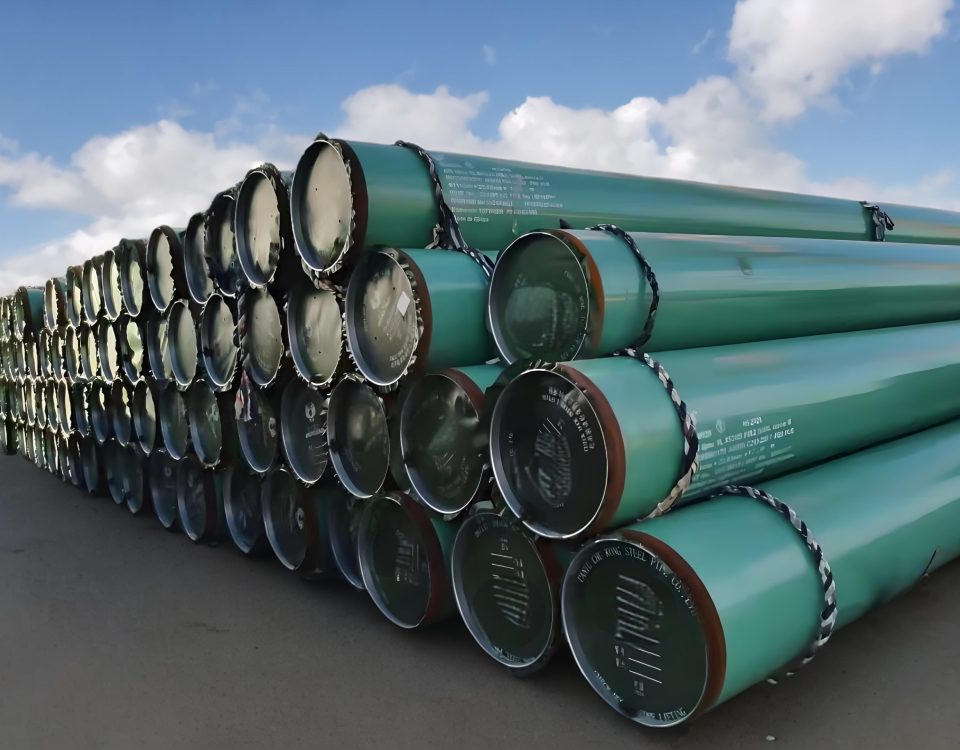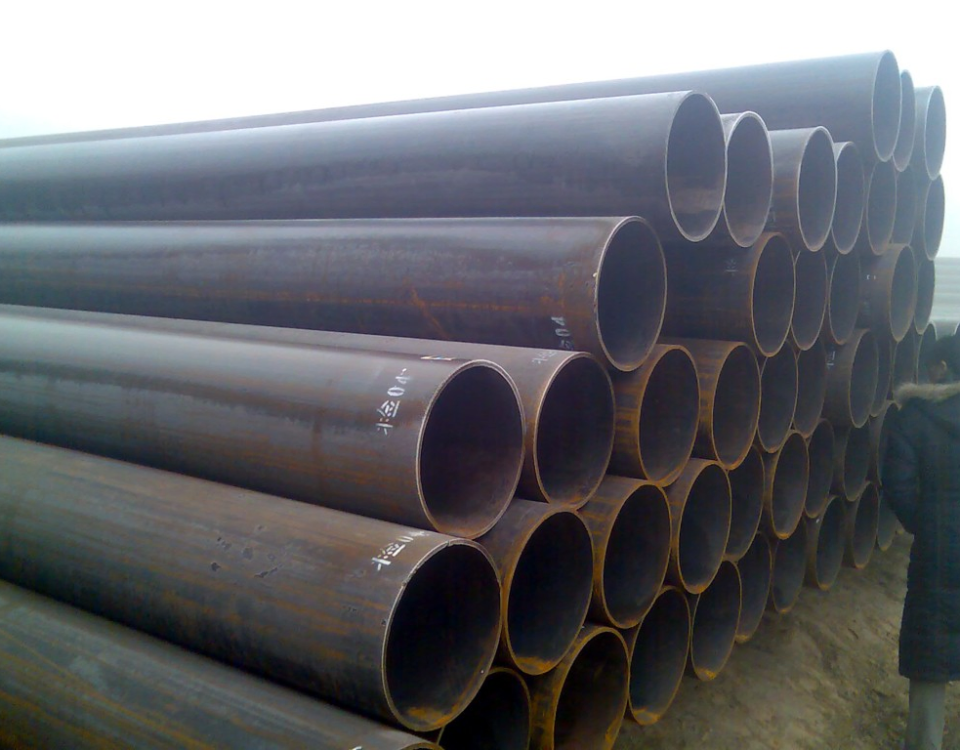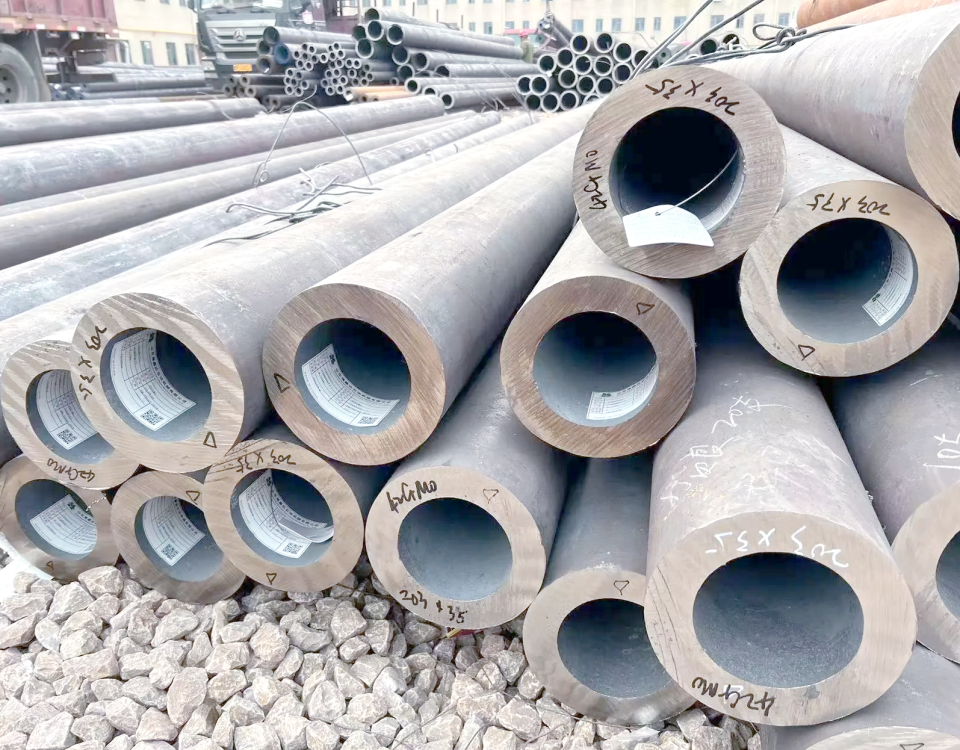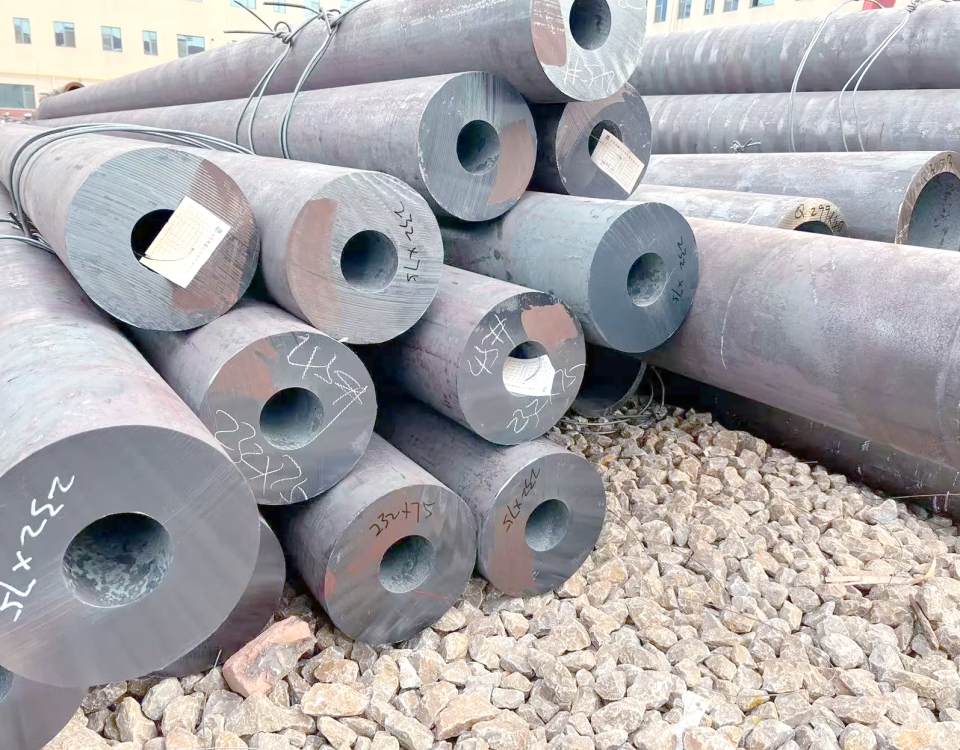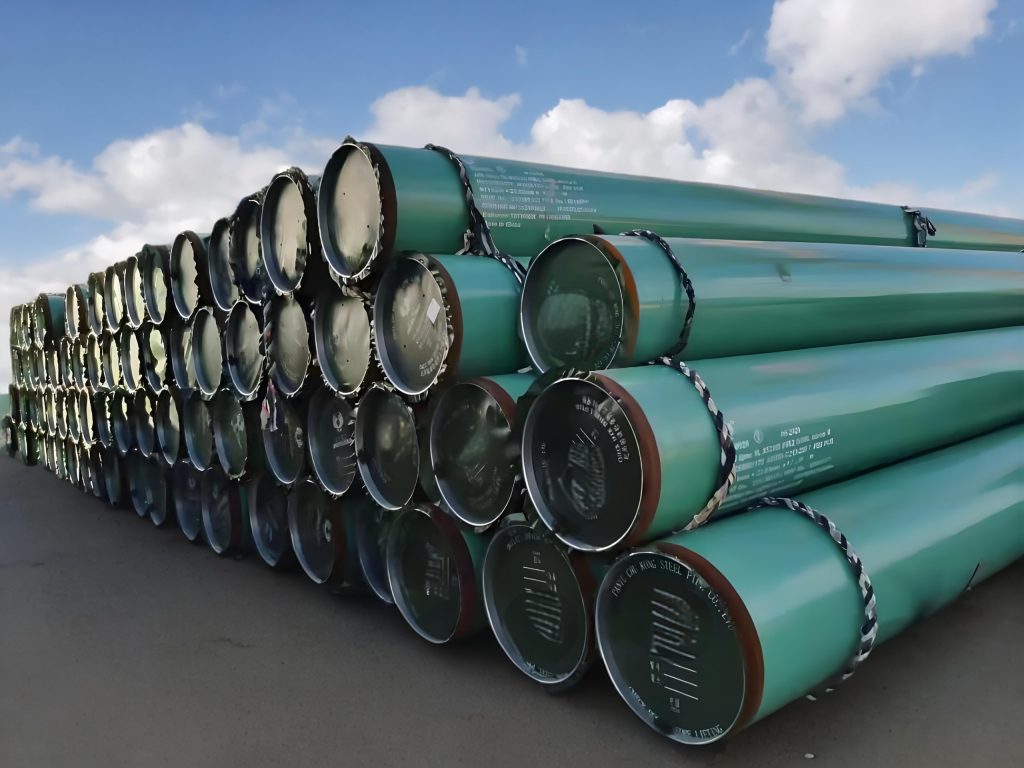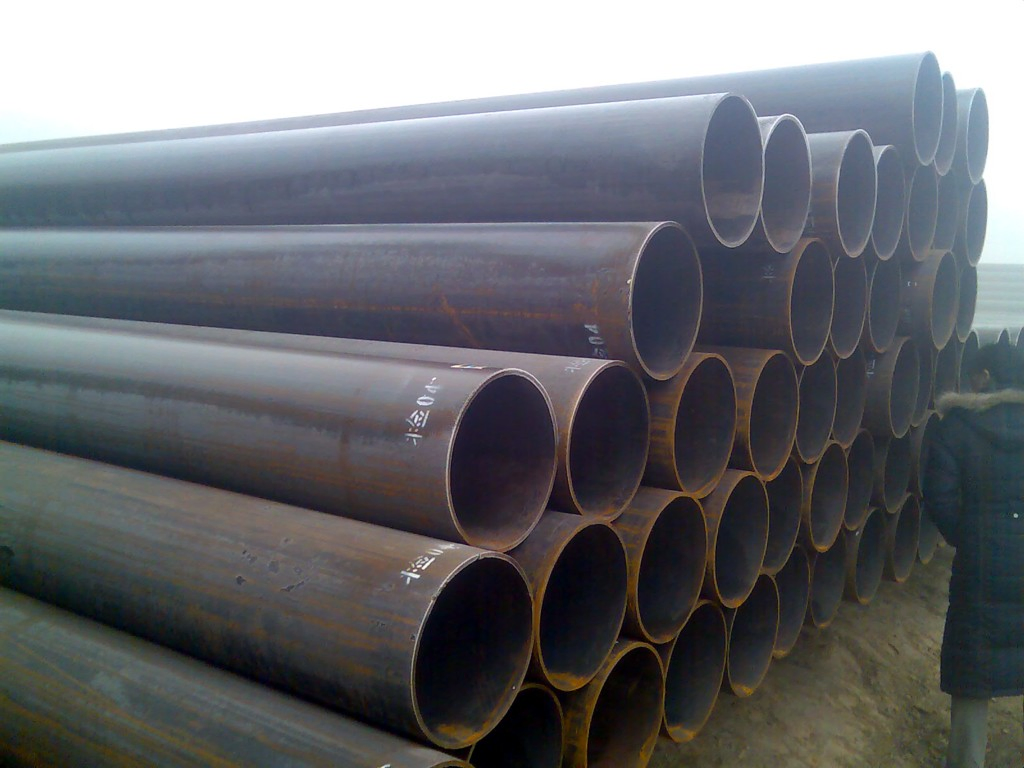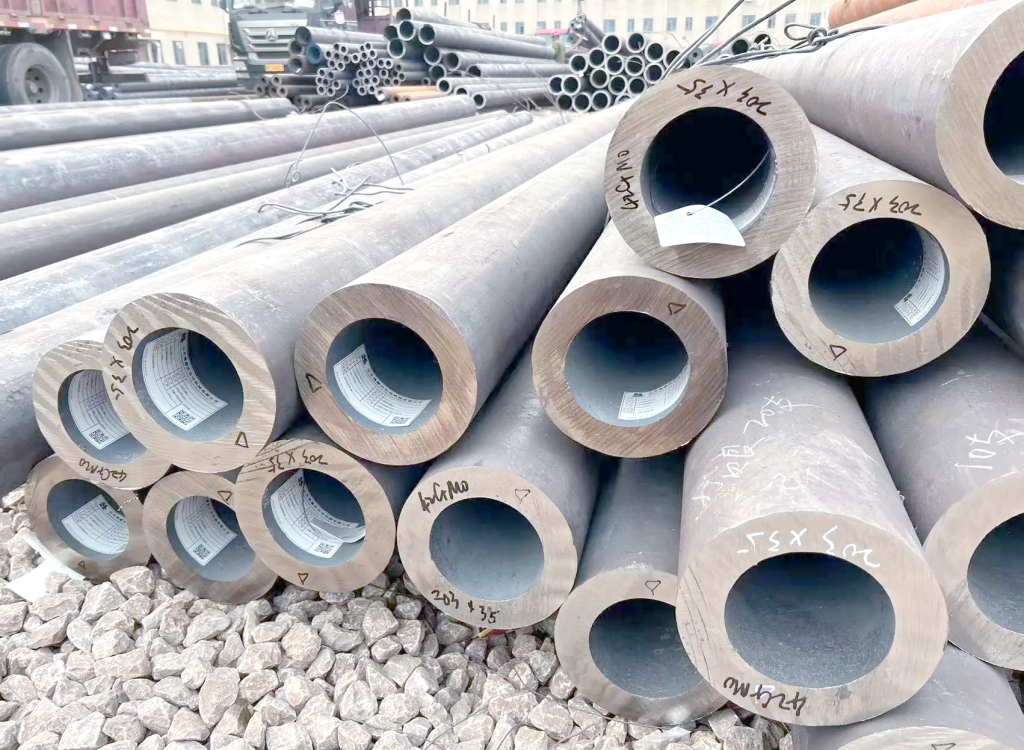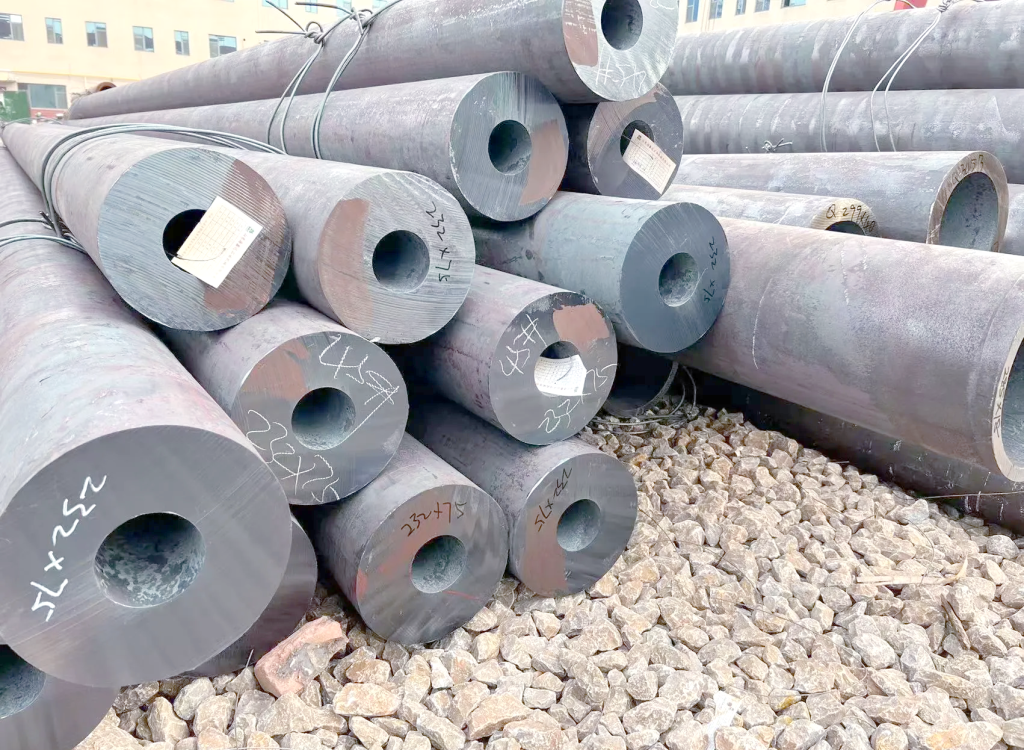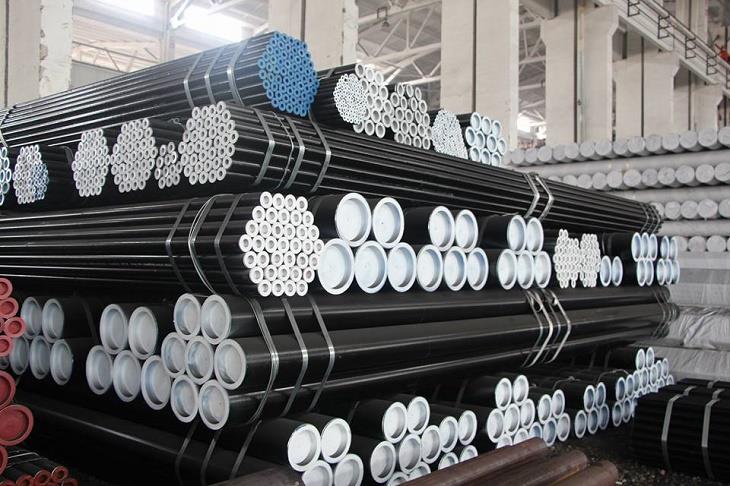
Spécifications des tuyaux en acier au carbone ASTM A53
Mars 22, 2026
TUYAU EN ACIER AU CARBONE ASTM A53
Mars 22, 2026
Spécifications des tuyaux en acier au carbone ASTM A53/A53M: Comprehensive Technical Data & Propriétés
📖 Table des matières
Chapitre 1 – Introduction & Portée
1.1 Qu'est-ce que le tuyau en acier ASTM A53?
1.2 Dimensions Scope & Applications
Chapitre 2 – Manufacturing Processes (Type S/E/F)
2.1 Type S Seamless & REG de type E
2.2 Type F FBW & Exigences de traitement thermique
Chapitre 3 – Chemical Composition & Limits
3.1 Elemental Composition Tables (ASTM A53)
Chapitre 4 – Mechanical Properties & Essai
4.1 Résistance à la traction / Rendement / Elongation Formula
4.2 Bend & Flattening Test Requirements
Chapitre 5 – Hydrostatic & NDE Inspection
Chapitre 6 – Dimensional Tolerances & Weight Charts
6.1 Pipe Schedule & Weight Tables
Chapitre 7 – End Finishes & Revêtements
Chapitre 8 – Equivalent Standards & Chaîne d'approvisionnement
📄 ABSTRAIT
ASTM A53/A53M est l'une des spécifications les plus largement référencées pour tubes en acier au carbone dans les applications industrielles du monde entier. This technical reference provides a comprehensive examination of ASTM A53 acier tube, covering three manufacturing types (Type S sans couture, Résistance électrique de type E soudée, Four de type F soudé bout à bout), material grades (Grade A et grade B), chemical composition constraints, mechanical property requirements including the elongation formula, protocoles de tests hydrostatiques et non destructifs, tolérances dimensionnelles, calendriers de canalisations, finitions finales, and coating specifications. Special attention is given to weld seam heat treatment (minimum 1000°F / 540°C for Type E/F Grade B), cold expansion limitation of 1% de la DO spécifiée, and carbon-manganese balancing equations. Mathematical formulations for elongation, pression hydrostatique, and tolerance boundaries are presented. This work serves as a definitive reference for engineers, inspecteurs, and procurement professionals navigating carbon steel pipe specification.
Mots clés: ASTM A53, tubes en acier au carbone, Type S sans couture, REG de type E, Type F FBW, Grade A, Grade B, test hydrostatique, NDE, calendrier des canalisations, galvanisé à chaud, tuyau noir, weight chart.
Chapitre 1 – Introduction and Standard Overview
1.1 Qu'est-ce que le tuyau en acier ASTM A53?
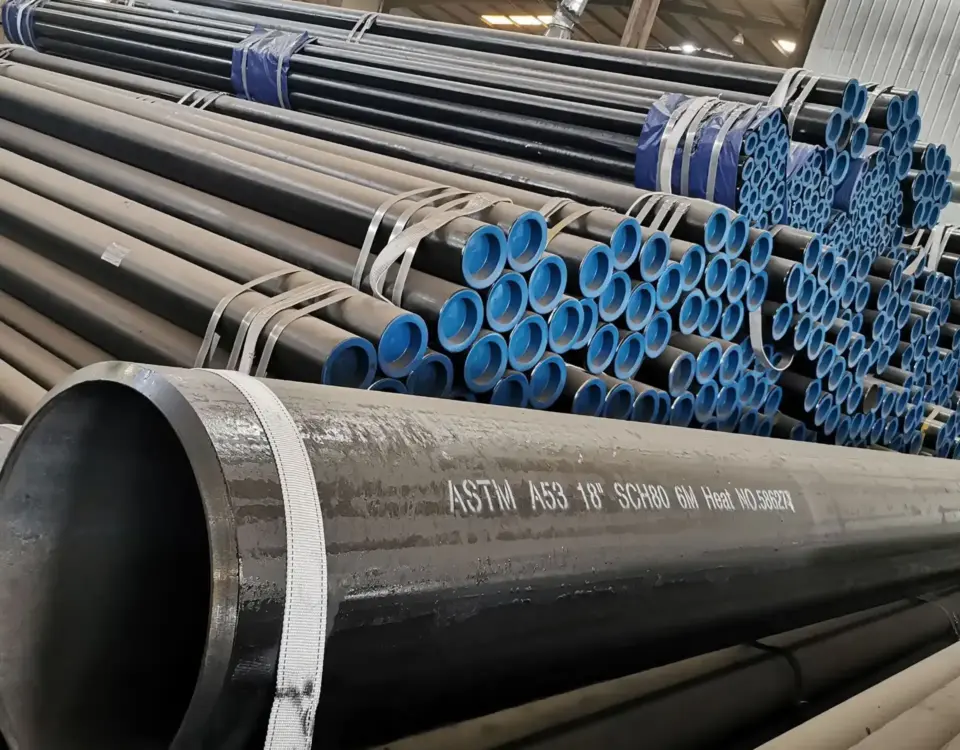
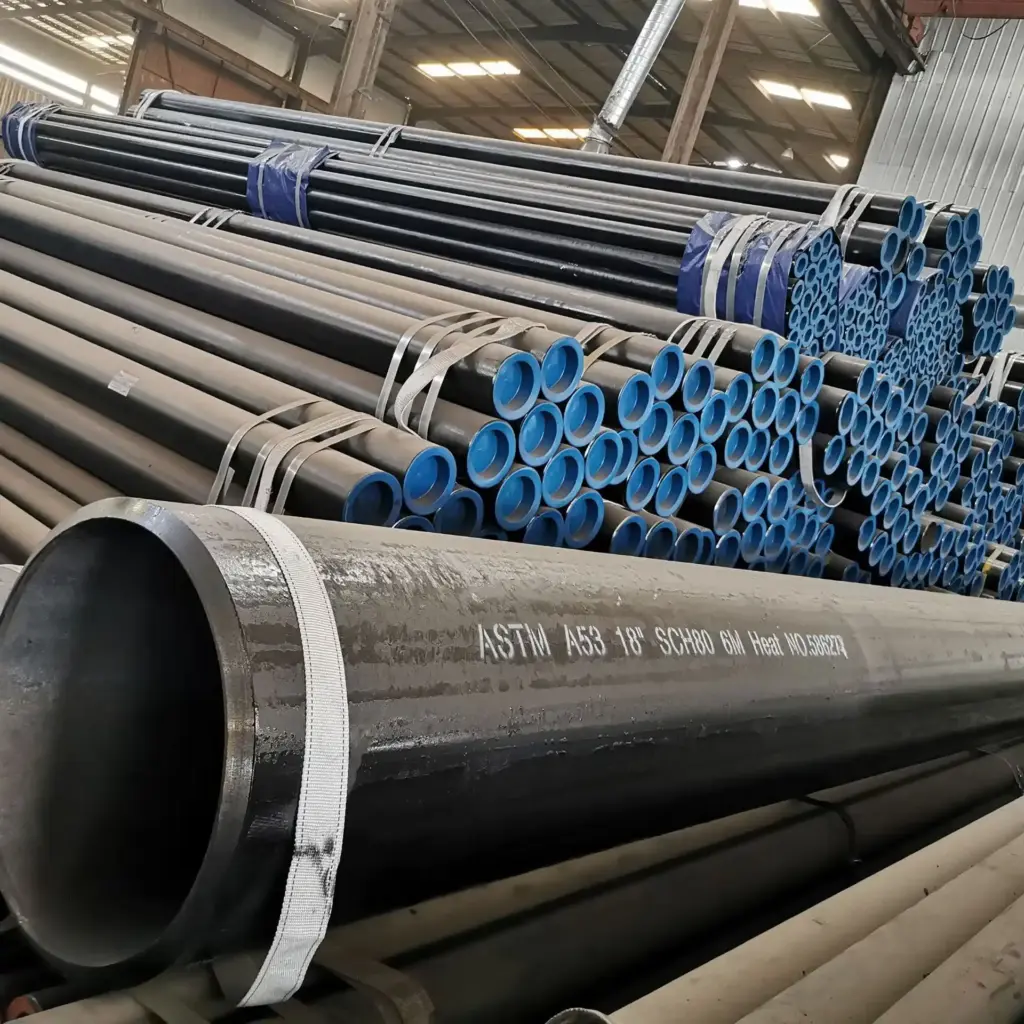
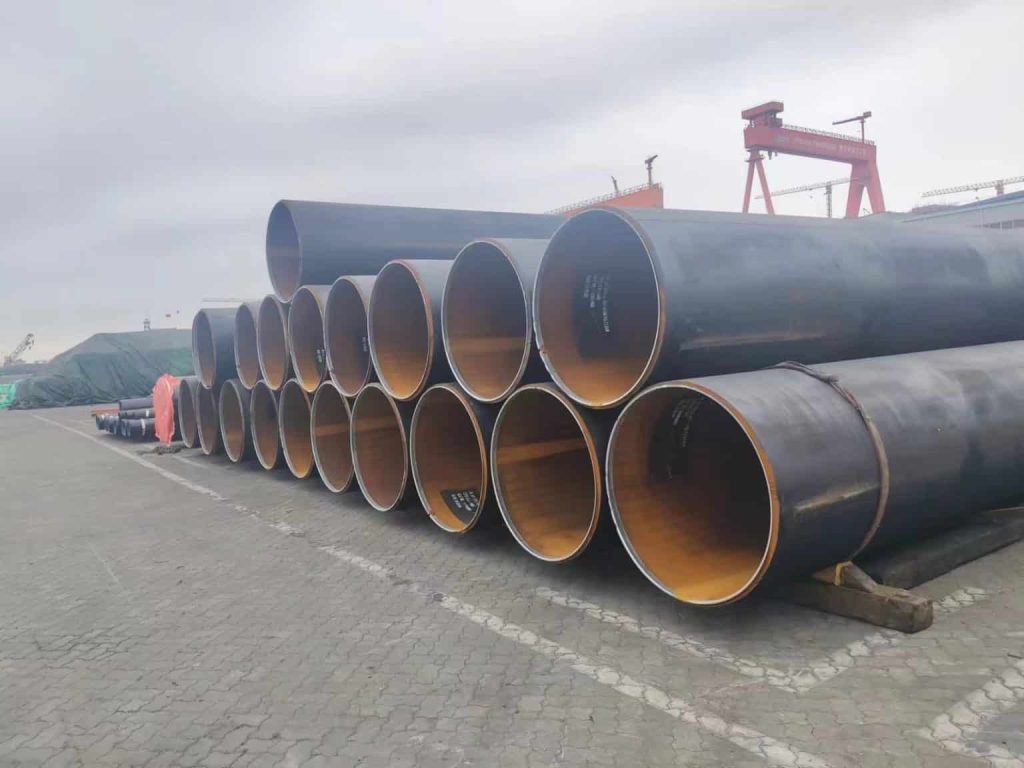
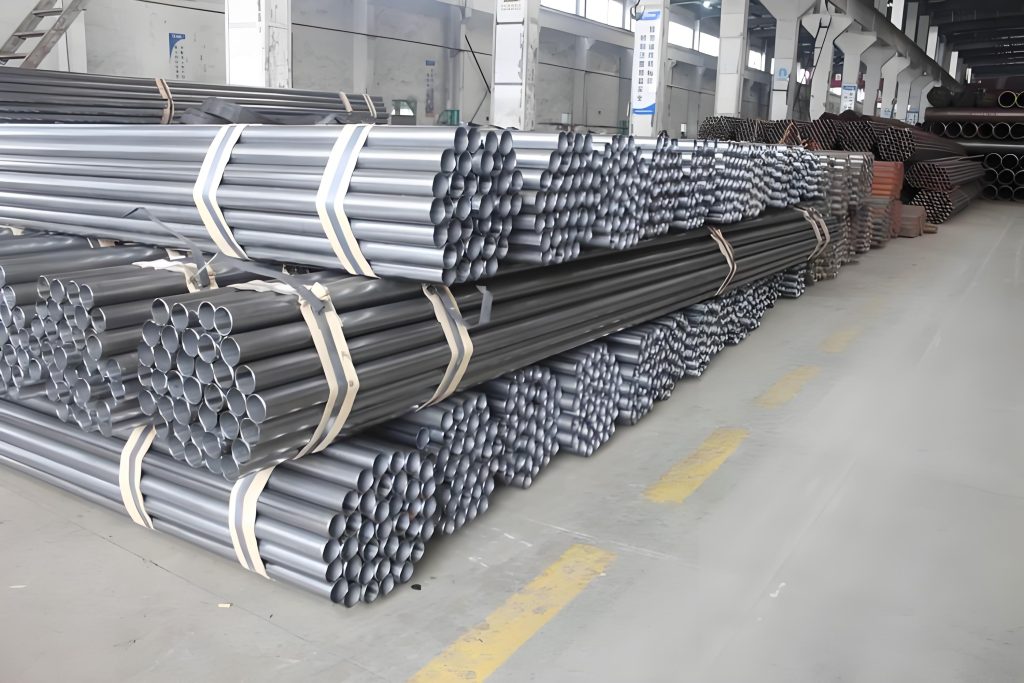
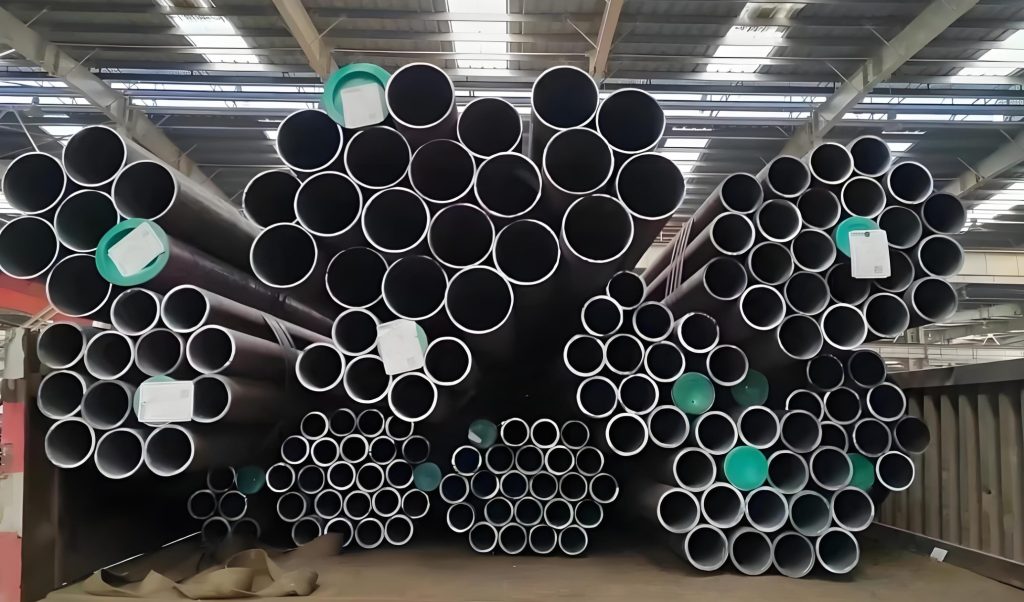
ASTM A53/A53M covers seamless and welded black and hot-dip tuyaux en acier galvanisé dans NPS 1/8 pour NPS 26 [DN 6 pour DN 650] inclusive, with nominal wall thickness as given in the standard weight tables. The specification includes three manufacturing types: Type S (sans soudure), Type E (electric-resistance-welded – ERW), et Type F (furnace-butt-welded – FBW). Two material grades exist: Grade A (lower strength: min yield 30,000 psi, élastique 48,000 psi) et catégorie B (résistance plus élevée: min yield 35,000 psi, élastique 60,000 psi). Pipes are suitable for mechanical and pressure applications, vapeur, eau, gaz, et lignes aériennes, and are compatible with welding, flexion, and flanging operations.
1.2 Dimensions Scope and Application Domains
Dimensions Scope: NPS 1/8 – NPS 26 (DN 6 – DN 650). Extrémité plate, extrémité filetée, or coupled configurations. Applications include general piping systems, refinery utilities, supports structurels, fire protection lines, and low/medium pressure conveyance. The standard allows custom diameters provided all other requirements are met. Grade A used for bending/forming; Grade B for higher pressure/strength demands. ERW pipes dominate water transmission and structural uses while seamless is preferred for critical cyclic service.
Chapitre 2 – Manufacturing Processes (Type S, Type E, Type F)
2.1 Type S - Seamless & Type E – Soudé par résistance électrique (RESTES EXPLOSIFS DE GUERRE)
Type S (Sans couture): Produced by piercing solid billet and rotary rolling. No longitudinal weld seam; enhanced reliability in hydrogen service and cyclic pressure. Type E (RESTES EXPLOSIFS DE GUERRE): Formed from coiled skelp with high-frequency current welding. Modern ERW provides excellent dimensional consistency. For Type E Grade B, weld seam must be heat-treated at ≥1000°F (540° C) Pour éliminer la martensite non tempérée. Cold expansion of ERW limited to 1% of specified OD to avoid overstraining weld zone.
2.2 Type F – Soudé bout à bout au four (FBW) & Heat Treatment Mandates
Type F (FBW): Solid-state welding using furnace-heated skelp edges and forging rolls. Available up to NPS 4 in Grades A and B. For Type F Grade B, weld seam heat treatment at ≥1000°F (540° C) is required to ensure tempered microstructure. Modern projects seldom specify FBW but remains for legacy codes. le 1% cold expansion rule also applies.
Chapitre 3 – Chemical Composition Requirements
3.1 Elemental Limits and Metallurgical Significance
Maximum elemental composition (analyse thermique) per ASTM A53/A53M. The carbon-manganese balancing equation allows increased manganese when carbon is reduced below maximum.
| Élément | Type S Gr A | Type S Gr B | Type E Gr A | Type E Gr B | Type F Gr A | Type F Gr B |
|---|---|---|---|---|---|---|
| Carbone | 0.25 | 0.30 | 0.25 | 0.30 | 0.30 | 0.30 |
| Manganèse | 0.95 | 1.20 | 0.95 | 1.20 | 1.20 | 1.20 |
| Phosphore | 0.05 | 0.05 | 0.05 | 0.05 | 0.05 | 0.05 |
| Soufre | 0.045 | 0.045 | 0.045 | 0.045 | 0.045 | 0.045 |
| Copper* | 0.40 | 0.40 | 0.40 | 0.40 | 0.40 | 0.40 |
| Nickel* | 0.40 | 0.40 | 0.40 | 0.40 | 0.40 | 0.40 |
| Chromium* | 0.40 | 0.40 | 0.40 | 0.40 | 0.40 | 0.40 |
| Molybdenum* | 0.15 | 0.15 | 0.15 | 0.15 | 0.15 | 0.15 |
| Vanadium* | 0.08 | 0.08 | 0.08 | 0.08 | 0.08 | 0.08 |
This equation allows steelmakers to increase manganese up to 1.65% for Grade B when carbon is reduced, preserving strength while improving weldability.
Chapitre 4 – Mechanical Properties & Exigences de test
4.1 Résistance à la traction, Limite d’élasticité & Elongation Formula
| Noter | Yield Strength min (psi) | Résistance à la traction min (psi) | Élongation (en 2″) moi % |
|---|---|---|---|
| Grade A | 30,000 (205 MPa) | 48,000 (330 MPa) | See formula |
| Grade B | 35,000 (240 MPa) | 60,000 (415 MPa) | See formula |
Where e = minimum elongation in 2 dans. (50 mm) pour cent, A = cross-sectional area of test specimen (Max 0.75 po²), U = specified minimum tensile strength (psi). For Grade B typical area 0.75 in² → elongation ≈ 30%.
4.2 Bend Test and Flattening Test
Bend Test (NPS 2 ou plus petit): Pipe bent cold 90° around a mandrel 12x OD without cracking. aplanissement test (Tuyau soudé > NPS 2): Flattened between plates until distance ≤ 2/3 original OD, no cracking in weld or base metal. Seamless pipes are exempt from flattening test.
Chapitre 5 – Hydrostatic Test & Nondestructive Inspection (NDE)
Test hydrostatique: Each pipe shall withstand hydrostatic pressure for at least 5 seconds without leakage. Maximum test pressure for NPS 3 ou plus petit: 2500 psi; pour NPS 3 ou plus grand: 2800 psi. Test pressure calculated as P = 2St/D where S = 60% of specified minimum yield (21,000 PSI pour grade B).
Tests électriques non destructifs (NDE): For Type E Grade B and Type F Grade B NPS 2 et plus, the weld seam must be examined by ultrasonic (E213/E273), électromagnétique (E309) or flux leakage (E570). Seamless pipe may substitute hydrostatic with NDE marking “NDE”.
Chapitre 6 – Dimensional Tolerances and Pipe Schedule / Weight Charts
6.1 Poids, Diamètre, Épaisseur de paroi & Length Tolerances
| Paramètre | Tolérance / Exigence |
|---|---|
| Poids (plain-end) | ±10 % du poids spécifié |
| Diamètre extérieur (NPS 1/2 ou plus petit) | ±1/64 in (0.4 mm) |
| Diamètre extérieur (NPS 2 ou plus grand) | ± 1 % |
| Épaisseur de paroi | Le minimum 87.5% of nominal thickness |
| Longueur (single-random, lighter than XS) | 16–22 ft (4.88–6,71 m) |
| Longueur (double-random) | Moy. 35 ft, moi 22 ft |
6.2 Pipe Schedule and Weight Chart (Plain-End Excerpt)
| NPS (dans) | Annexe / Weight Class | Épaisseur de paroi (dans) | Poids (lb/pi) |
|---|---|---|---|
| 1/2 | STD (40) | 0.109 | 0.85 |
| 1/2 | XS (80) | 0.147 | 1.09 |
| 2 | STD (40) | 0.154 | 3.65 |
| 2 | XS (80) | 0.218 | 5.02 |
| 4 | STD (40) | 0.237 | 10.79 |
| 4 | XS (80) | 0.337 | 14.98 |
| 8 | STD (30) | 0.277 | 21.43 |
| 8 | XS (80) | 0.322 | 28.55 |
| 12 | STD (30) | 0.330 | 43.77 |
| 12 | XS (80) | 0.375 | 49.56 |
Chapitre 7 – End Finishes, Coatings and Surface Treatment
7.1 Ends lisses, Threaded Ends and Couplings
Plain ends for NPS 1½ or smaller subject to contract. Pipes larger than NPS 1½ with wall thickness < 0.500 in shall be beveled (30°–35° bevel, root face 0.8–2.4 mm). Threaded ends conform to ANSI B1.20.1; couplings for NPS 2½ and larger are taper-tapped per ASTM A865.
7.2 Tuyau noir vs. Revêtement galvanisé à chaud
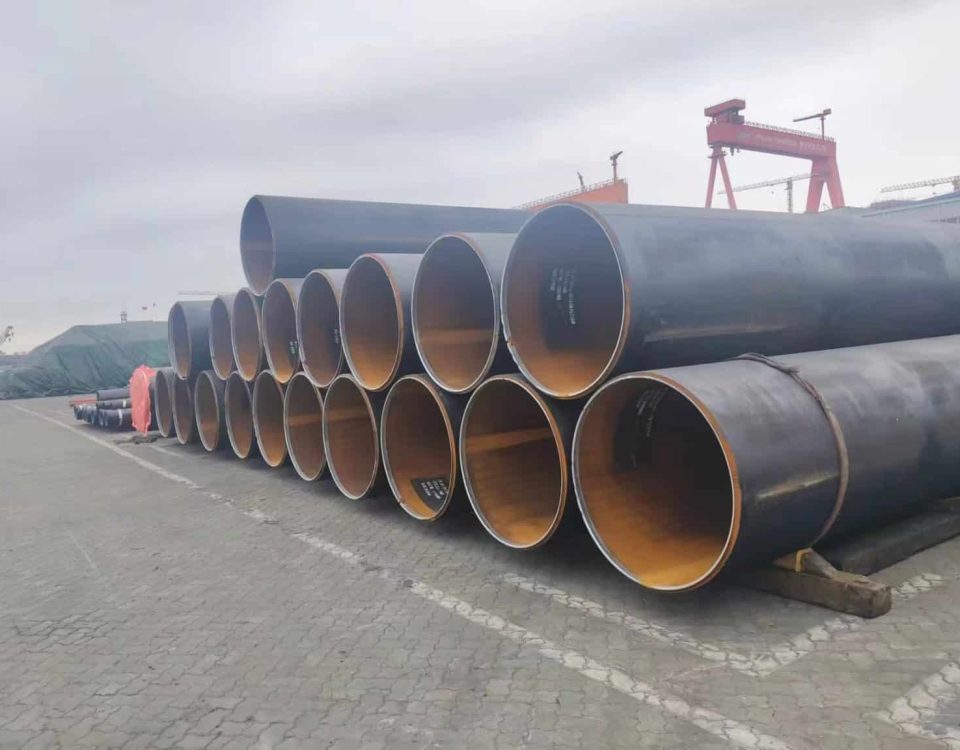
Black pipe: No coating, mill scale finish. Hot-dip galvanized: Inside and outside surfaces coated with zinc (ASTM B6). Minimum coating weight: 1.8 OZ / FT² (0.55 kg / m²). Must be free of uncoated spots, clochards, and flux residues. Galvanized coating enhances corrosion resistance for water/gas lines.
Chapitre 8 – Equivalent Standards & Supply Chain Considerations
8.1 Équivalents ASTM A53 (API 5L, A106, FR, JIS)
| Norme | Grade/Type | Similarity |
|---|---|---|
| API 5L | Grade B | Chimiquement & mechanically similar to A53 Grade B (LSIP1) |
| ASTM A106 | Grade B | Seamless for high-temperature, comparable to A53 Type S |
| FR 10219 | S275J2H | Structural hollow section equivalent |
| JIS G3452 | SGP | Carbon steel pipe for ordinary piping |
8.2 Manufacturer Capabilities – Seamless, RESTES EXPLOSIFS DE GUERRE, FBW Supply
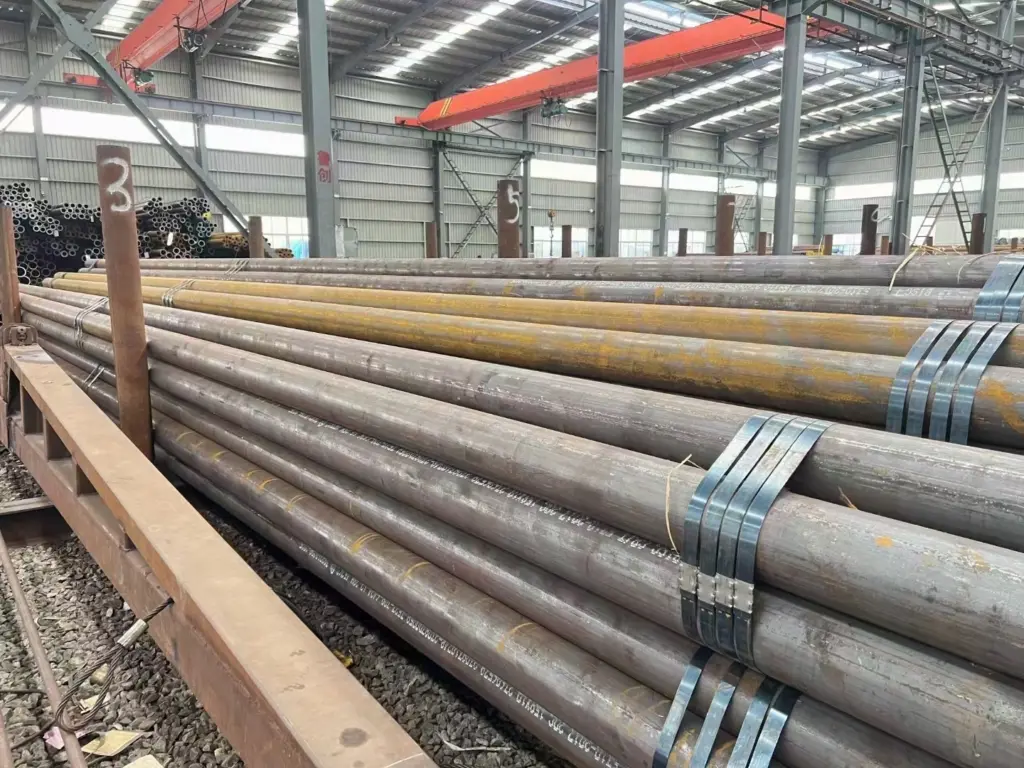
Leading manufacturers supply ASTM A53 in all types and grades, NPS 1/8 pour NPS 24, with schedules STD, XS, XXS, and Sch 10–160. Noir, galvanisé à chaud, 3LPE, and FBE coatings available. Full mill test reports traceable to heat numbers ensure compliance. Typical stocking programs include Type E Grade B ERW and Type S Grade B seamless with hydrostatic testing and NDE as required. Minimum order quantities vary based on diameter and schedule.
Chapitre 9 – Conclusion and Engineering Recommendations
ASTM A53 remains a cornerstone specification for carbon steel pipe, balancing manufacturability, mechanical reliability, et la rentabilité. Selecting the appropriate type (S, E, F) et grade (UN B) based on service conditions, welding requirements, and corrosion protection is critical. Adherence to heat treatment, essai hydrostatique, and dimensional tolerances ensures long-term performance. For critical applications requiring high-temperature or sour service, supplementary standards (A106, API 5L) may be evaluated. This specification continues to serve global energy, construction, and mechanical industries with robust technical foundations.