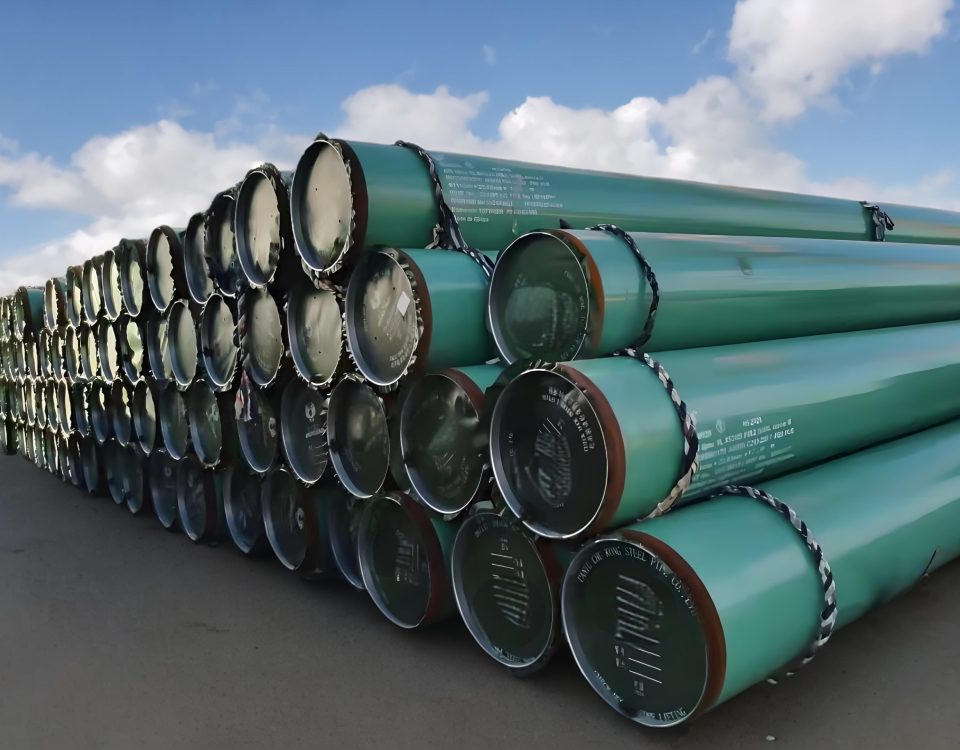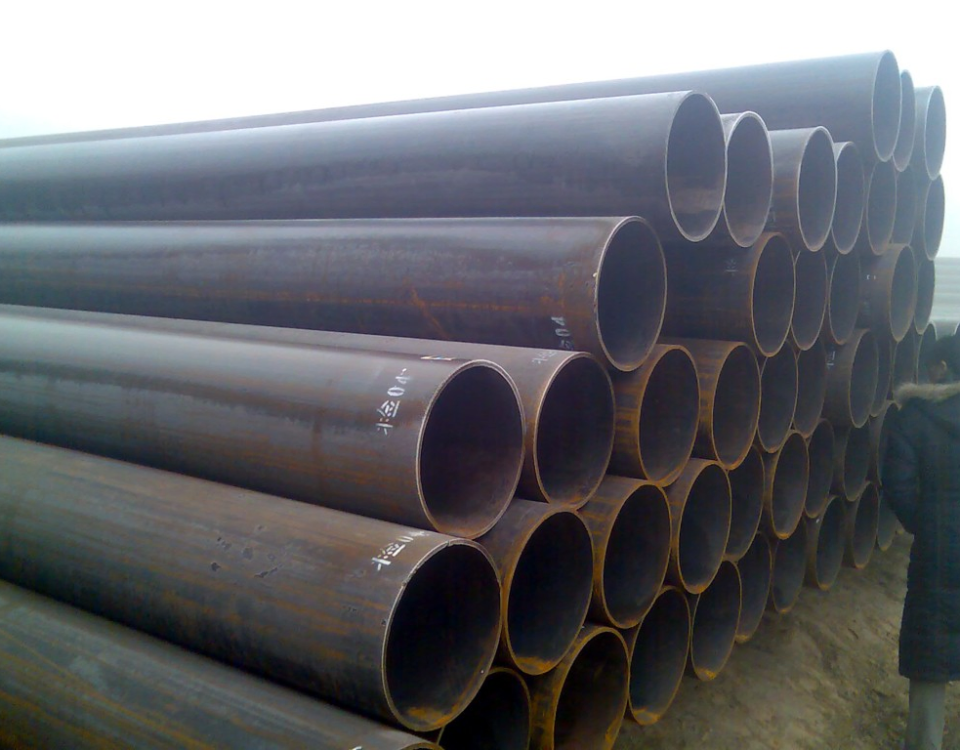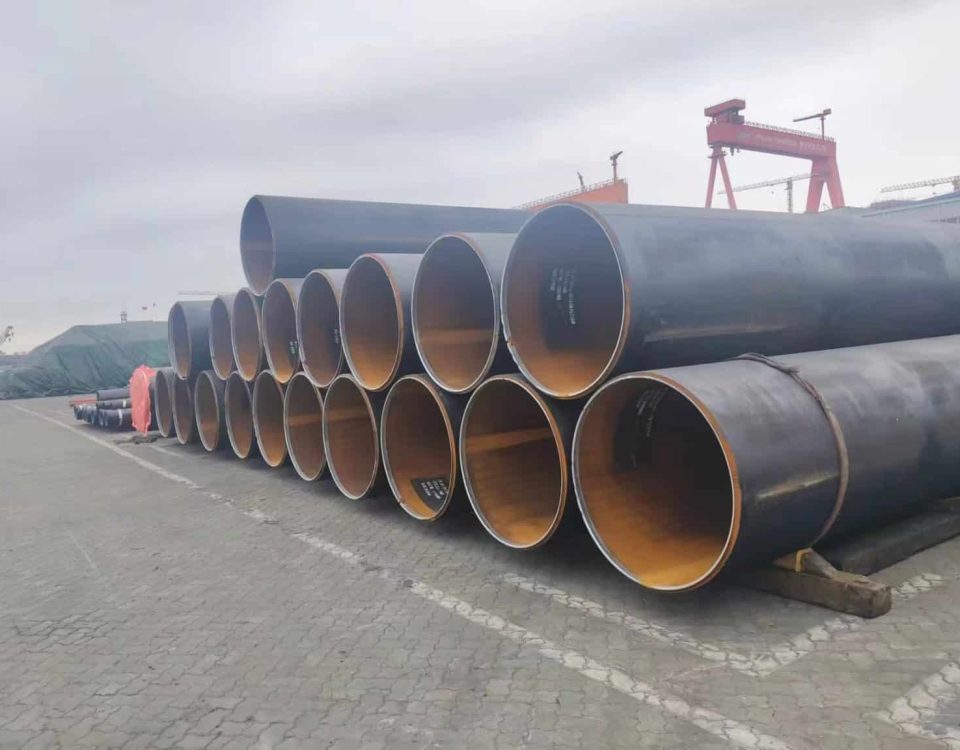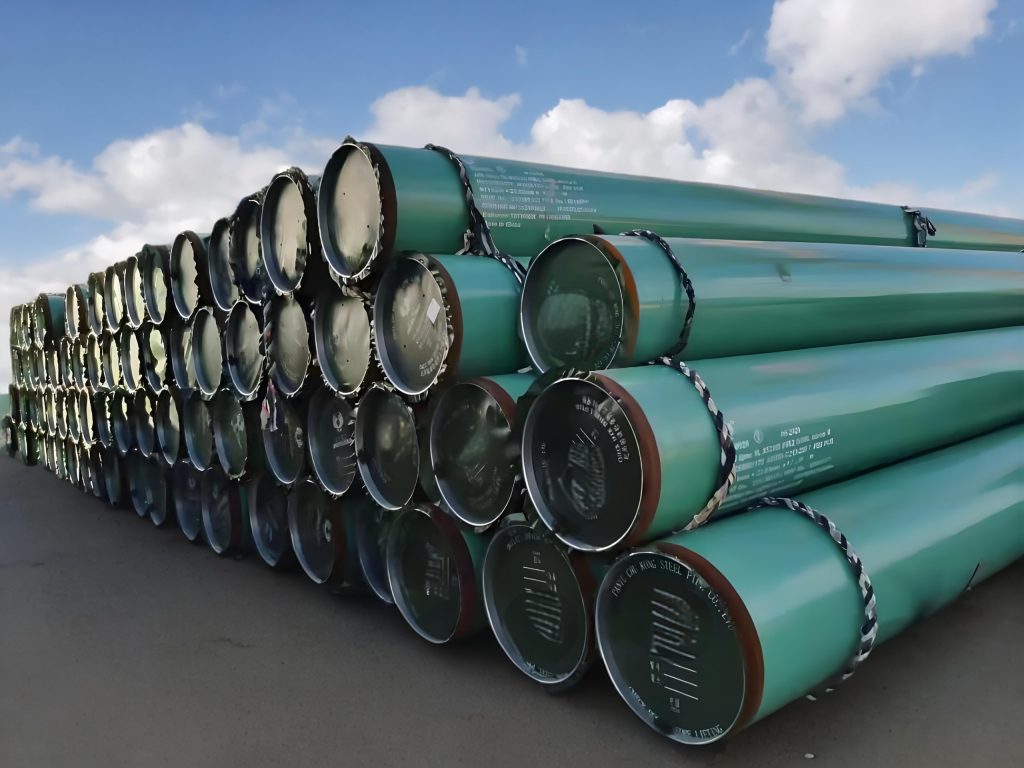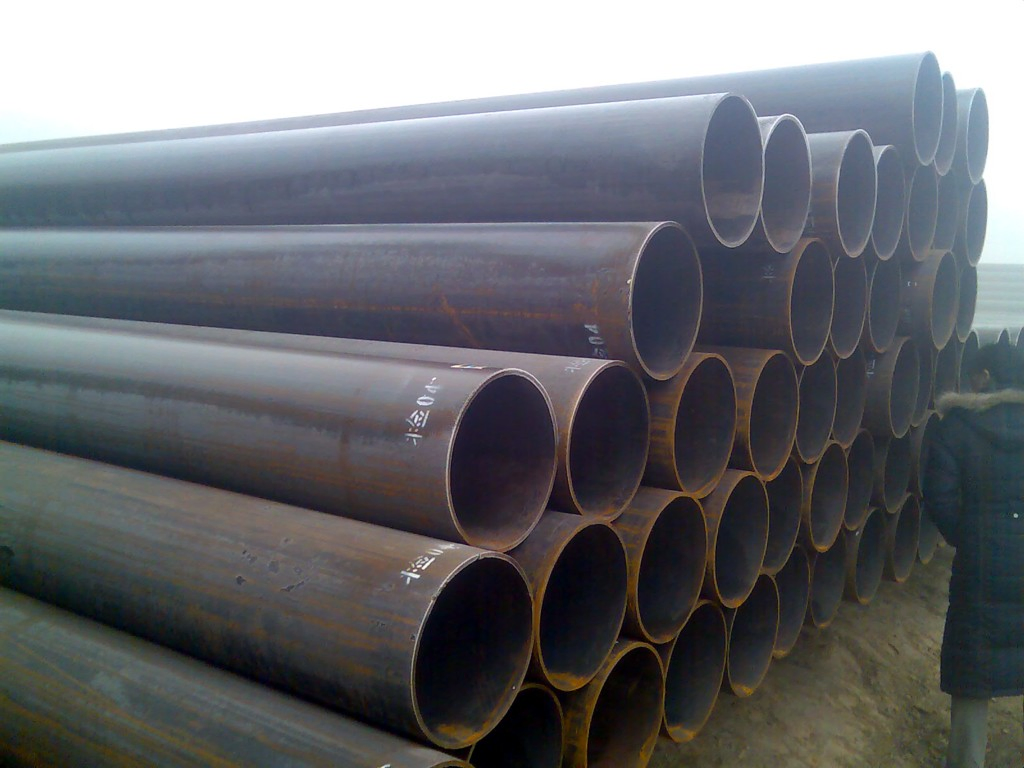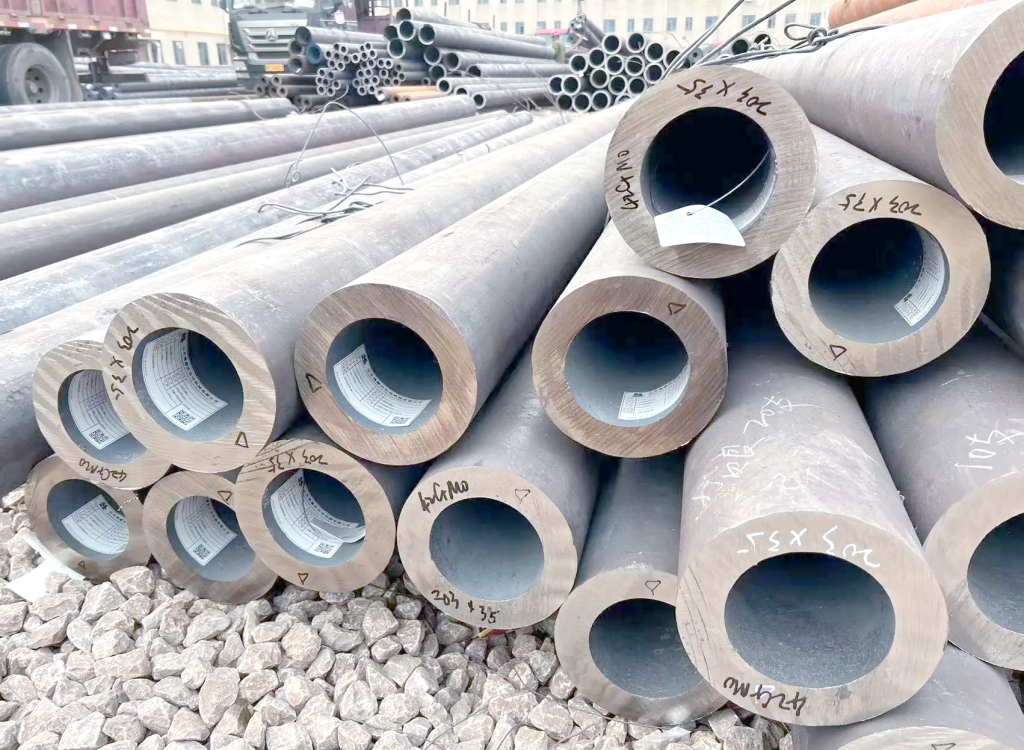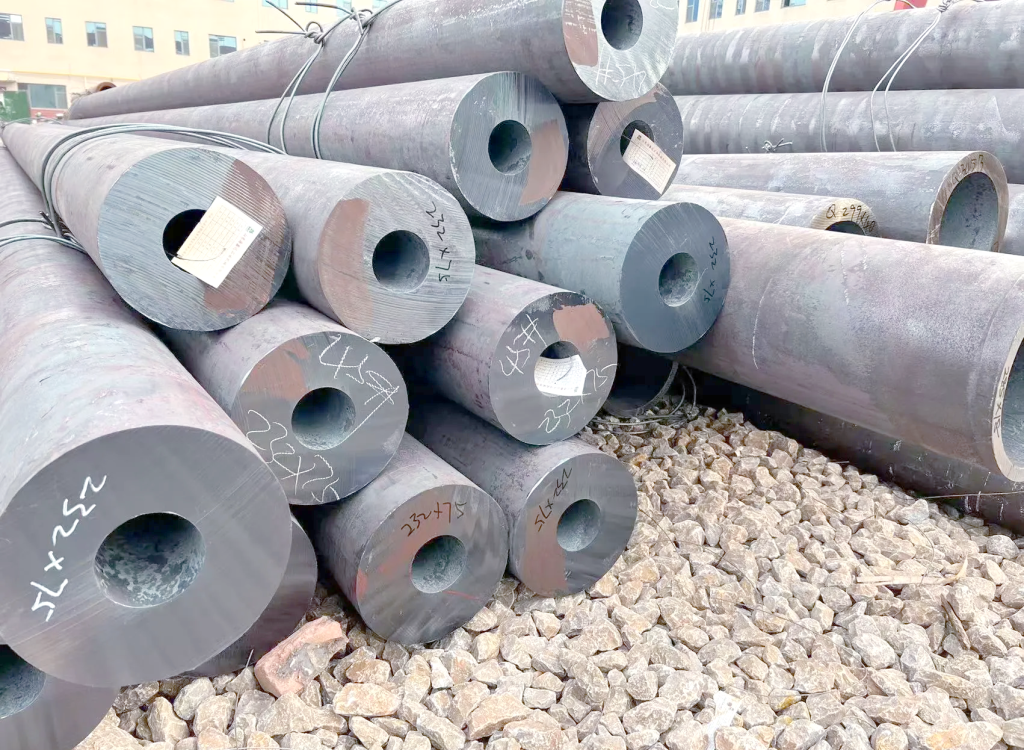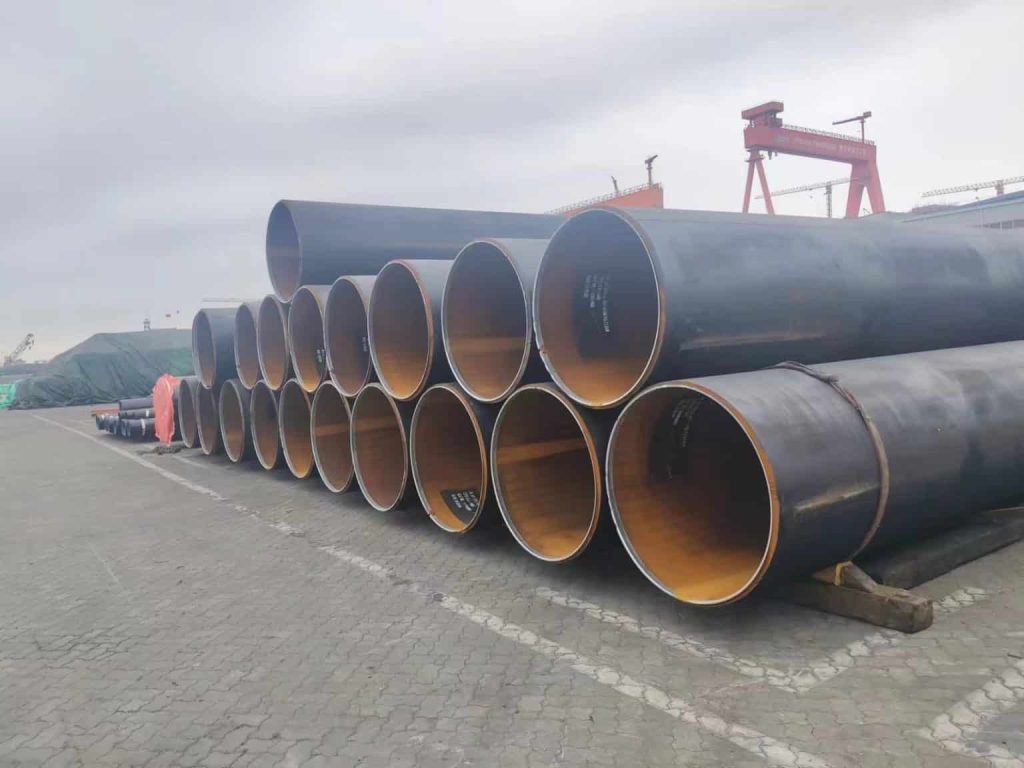
Kiểm soát đường kính và độ trứng của ống hàn JCOE
bước đều 21, 2026
ASTM A53 CARBON STEEL PIPE
bước đều 22, 2026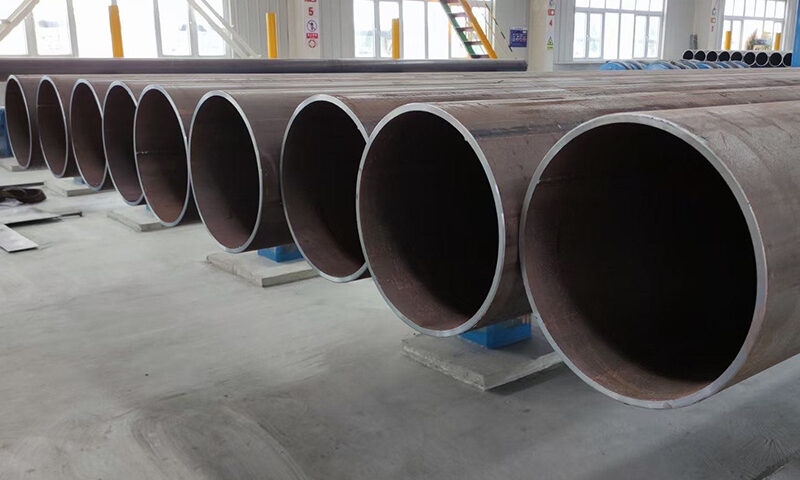
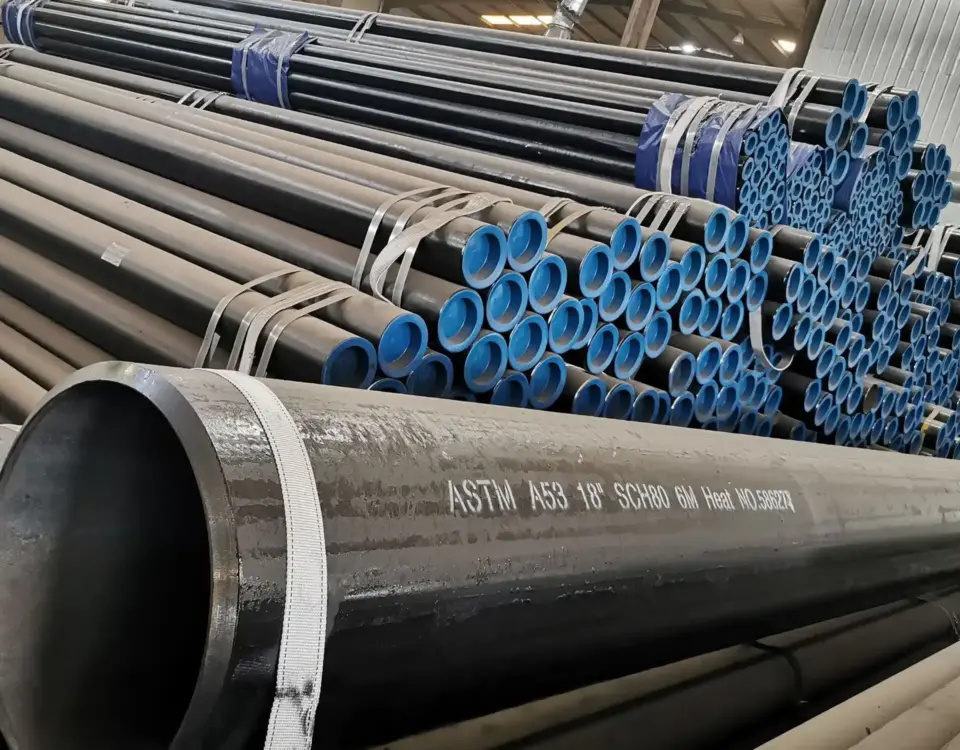
ASTM A53/A53M Carbon Steel Pipe Specification: Comprehensive Technical Data & Tính chất
📖 Mục lục
Chương 1 – Introduction & Phạm vi
1.1 What is ASTM A53 Steel Pipe?
1.2 Dimensions Scope & Ứng dụng
Chương 2 – Manufacturing Processes (Type S/E/F)
2.1 Type S Seamless & Type E ERW
2.2 Type F FBW & Yêu cầu xử lý nhiệt
Chương 3 – Chemical Composition & Limits
3.1 Elemental Composition Tables (ASTM A53)
Chương 4 – Mechanical Properties & thử nghiệm
4.1 kéo / Năng suất / Elongation Formula
4.2 Bend & Flattening Test Requirements
Chương 5 – Hydrostatic & NDE Inspection
Chương 6 – Dimensional Tolerances & Weight Charts
6.1 Pipe Schedule & Weight Tables
Chương 7 – End Finishes & Lớp phủ
Chương 8 – Equivalent Standards & Chuỗi cung ứng
📄 TRỪU TƯỢNG
ASTM A53/A53M stands as one of the most widely referenced specifications for đường ống thép carbon in industrial applications worldwide. This technical reference provides a comprehensive examination of ASTM A53 thép ống, covering three manufacturing types (Type S seamless, Type E electric resistance welded, Type F furnace butt welded), material grades (Lớp A và Lớp B), chemical composition constraints, mechanical property requirements including the elongation formula, hydrostatic and nondestructive testing protocols, dimensional tolerances, pipe schedules, end finishes, and coating specifications. Special attention is given to weld seam heat treatment (minimum 1000°F / 540°C for Type E/F Grade B), cold expansion limitation of 1% of specified OD, and carbon-manganese balancing equations. Mathematical formulations for elongation, Áp lực thủy tĩnh, and tolerance boundaries are presented. This work serves as a definitive reference for engineers, inspectors, and procurement professionals navigating carbon steel pipe specification.
Từ khóa: ASTM A53, đường ống thép carbon, Type S seamless, Type E ERW, Type F FBW, Lớp A, Lớp B, kiểm tra thủy tĩnh, Nde, pipe schedule, hot-dip galvanized, Ống đen, weight chart.
Chương 1 – Introduction and Standard Overview
1.1 What is ASTM A53 Steel Pipe?
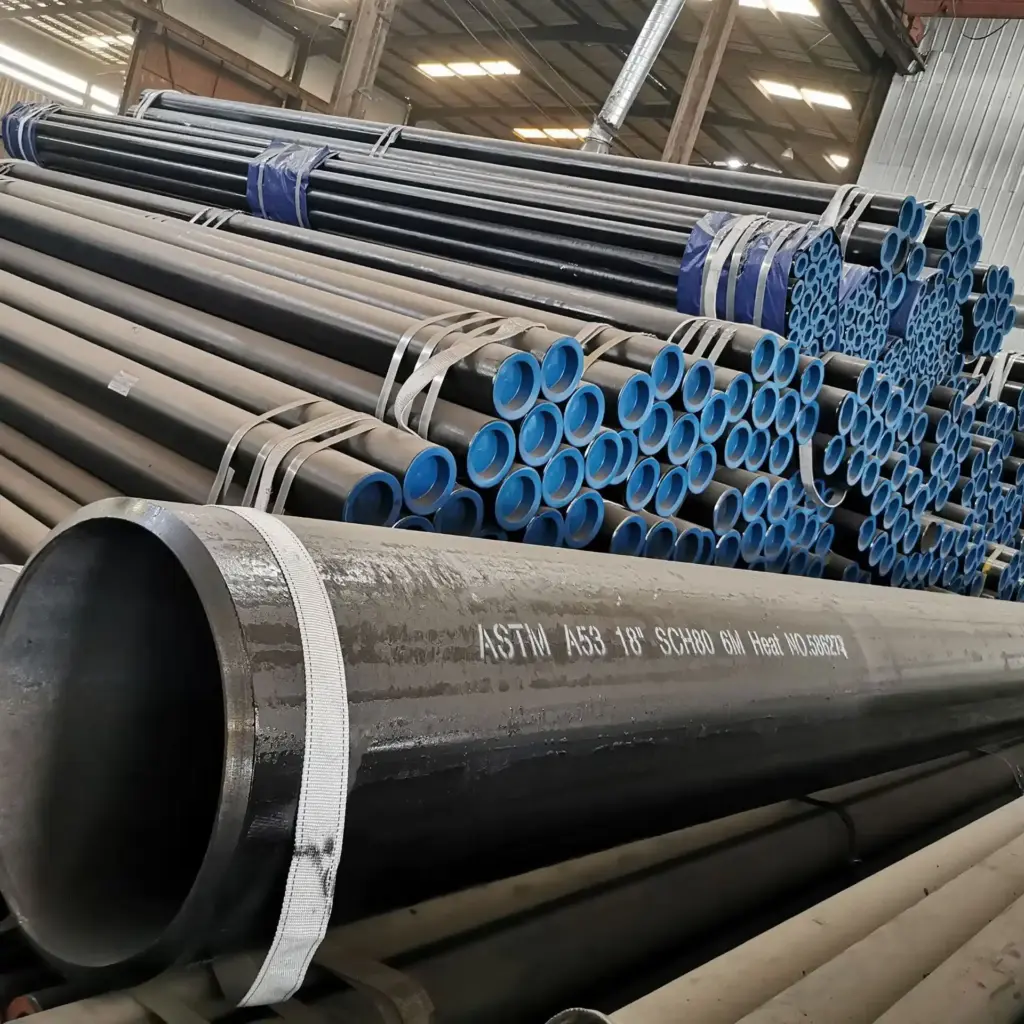
ASTM A53/A53M covers seamless and welded black and hot-dip Ống thép mạ kẽm ở NPS 1/8 để NPS 26 [DN 6 để DN 650] Cr-Mo, with nominal wall thickness as given in the standard weight tables. The specification includes three manufacturing types: gõ S (liền mạch), Loại E (electric-resistance-welded – ERW), và Loại F (furnace-butt-welded – FBW). Two material grades exist: Lớp A (lower strength: min yield 30,000 psi, kéo 48,000 psi) and Grade B (sức mạnh cao hơn: min yield 35,000 psi, kéo 60,000 psi). Pipes are suitable for mechanical and pressure applications, hơi nước, nước, khí, và air lines, and are compatible with welding, uốn, and flanging operations.
1.2 Dimensions Scope and Application Domains
Dimensions Scope: NPS 1/8 – NPS 26 (DN 6 – DN 650). Cuối đồng bằng, ren-end, or coupled configurations. Applications include general piping systems, refinery utilities, hỗ trợ kết cấu, fire protection lines, and low/medium pressure conveyance. The standard allows custom diameters provided all other requirements are met. Grade A used for bending/forming; Grade B for higher pressure/strength demands. ERW pipes dominate water transmission and structural uses while seamless is preferred for critical cyclic service.
Chương 2 – Manufacturing Processes (gõ S, Loại E, Loại F)
2.1 Loại S - Dàn & Type E – Electric Resistance Welded (MÌN)
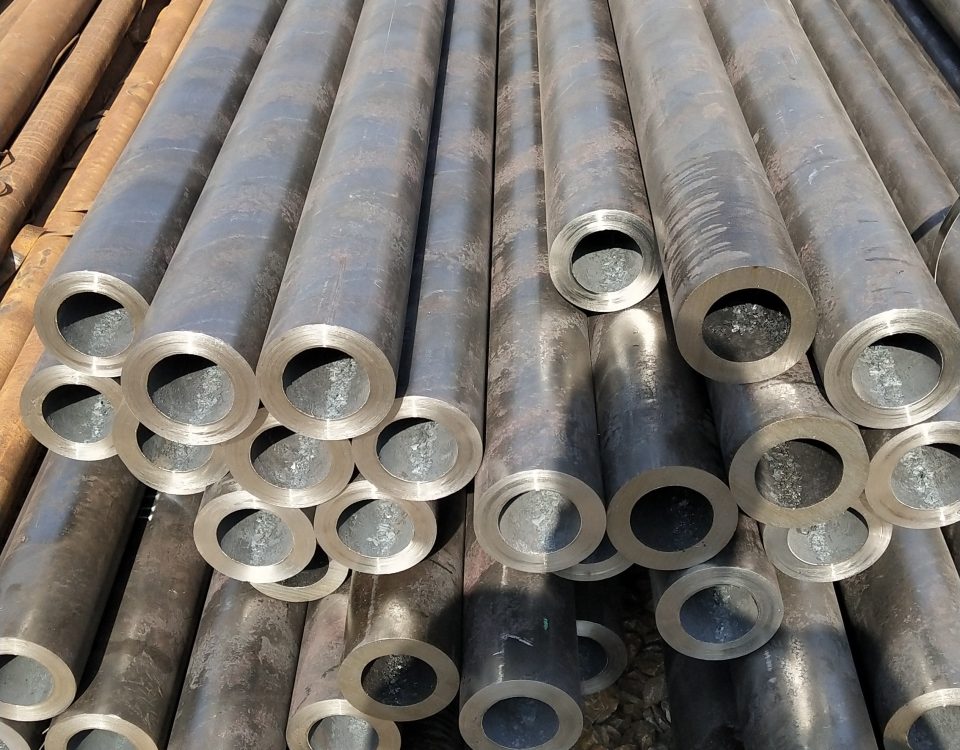
gõ S (Dàn): Produced by piercing solid billet and rotary rolling. No longitudinal weld seam; enhanced reliability in hydrogen service and cyclic pressure. Loại E (MÌN): Formed from coiled skelp with high-frequency current welding. Modern ERW provides excellent dimensional consistency. For Type E Grade B, weld seam must be heat-treated at ≥1000°F (540° C) để loại bỏ martensite chưa được. Cold expansion of ERW limited to 1% of specified OD to avoid overstraining weld zone.
2.2 Type F – Furnace Butt Welded (FBW) & Heat Treatment Mandates
Loại F (FBW): Solid-state welding using furnace-heated skelp edges and forging rolls. Available up to NPS 4 in Grades A and B. For Type F Grade B, weld seam heat treatment at ≥1000°F (540° C) is required to ensure tempered microstructure. Modern projects seldom specify FBW but remains for legacy codes. Các 1% cold expansion rule also applies.
Chương 3 – Chemical Composition Requirements
3.1 Elemental Limits and Metallurgical Significance
Maximum elemental composition (phân tích nhiệt) per ASTM A53/A53M. The carbon-manganese balancing equation allows increased manganese when carbon is reduced below maximum.
| Yếu tố | Type S Gr A | Type S Gr B | Type E Gr A | Type E Gr B | Type F Gr A | Type F Gr B |
|---|---|---|---|---|---|---|
| Carbon | 0.25 | 0.30 | 0.25 | 0.30 | 0.30 | 0.30 |
| Mangan | 0.95 | 1.20 | 0.95 | 1.20 | 1.20 | 1.20 |
| Phốt pho | 0.05 | 0.05 | 0.05 | 0.05 | 0.05 | 0.05 |
| lưu huỳnh | 0.045 | 0.045 | 0.045 | 0.045 | 0.045 | 0.045 |
| Copper* | 0.40 | 0.40 | 0.40 | 0.40 | 0.40 | 0.40 |
| Nickel* | 0.40 | 0.40 | 0.40 | 0.40 | 0.40 | 0.40 |
| Chromium* | 0.40 | 0.40 | 0.40 | 0.40 | 0.40 | 0.40 |
| Molybdenum* | 0.15 | 0.15 | 0.15 | 0.15 | 0.15 | 0.15 |
| Vanadium* | 0.08 | 0.08 | 0.08 | 0.08 | 0.08 | 0.08 |
This equation allows steelmakers to increase manganese up to 1.65% for Grade B when carbon is reduced, preserving strength while improving weldability.
Chương 4 – Mechanical Properties & Yêu cầu kiểm tra
4.1 Độ bền kéo, Mang lại sức mạnh & Elongation Formula
| Lớp | Yield Strength min (psi) | Độ bền kéo min (psi) | Kéo dài (trong 2″) tôi % |
|---|---|---|---|
| Lớp A | 30,000 (205 MPa) | 48,000 (330 MPa) | See formula |
| Lớp B | 35,000 (240 MPa) | 60,000 (415 MPa) | See formula |
Where e = minimum elongation in 2 ở. (50 mm) phần trăm, A = cross-sectional area of test specimen (tối đa 0.75 in²), U = specified minimum tensile strength (psi). For Grade B typical area 0.75 in² → elongation ≈ 30%.
4.2 Bend Test and Flattening Test
Bend Test (NPS 2 or smaller): Pipe bent cold 90° around a mandrel 12x OD without cracking. Dẹt thử nghiệm (Ống hàn > NPS 2): Flattened between plates until distance ≤ 2/3 original OD, no cracking in weld or base metal. Seamless pipes are exempt from flattening test.
Chương 5 – Hydrostatic Test & Nondestructive Inspection (Nde)
Kiểm tra thủy tĩnh: Each pipe shall withstand hydrostatic pressure for at least 5 seconds without leakage. Maximum test pressure for NPS 3 or smaller: 2500 psi; cho NPS 3 or larger: 2800 psi. Test pressure calculated as P = 2St/D where S = 60% of specified minimum yield (21,000 psi cho lớp B).
Nondestructive Electrical Testing (Nde): For Type E Grade B and Type F Grade B NPS 2 và lớn hơn, the weld seam must be examined by ultrasonic (E213/E273), electromagnetic (E309) or flux leakage (E570). Seamless pipe may substitute hydrostatic with NDE marking “NDE”.
Chương 6 – Dimensional Tolerances and Pipe Schedule / Weight Charts
6.1 Trọng lượng, Đường kính, Bức tường dày & Length Tolerances
| Tham số | Lòng khoan dung / Yêu cầu |
|---|---|
| Trọng lượng (plain-end) | ±10% of specified weight |
| Đường kính ngoài (NPS 1/2 or smaller) | ±1/64 in (0.4 mm) |
| Đường kính ngoài (NPS 2 or larger) | ±1% |
| Bức tường dày | tối thiểu 87.5% of nominal thickness |
| Chiều dài (single-random, lighter than XS) | 16Mạnh22 ft (4.88–6.71 m) |
| Chiều dài (double-random) | Trung bình 35 ft, tôi 22 ft |
6.2 Pipe Schedule and Weight Chart (Plain-End Excerpt)
| NPS (ở) | Lịch trình / Weight Class | Bức tường dày (ở) | Trọng lượng (lb/ft) |
|---|---|---|---|
| 1/2 | STD (40) | 0.109 | 0.85 |
| 1/2 | XS (80) | 0.147 | 1.09 |
| 2 | STD (40) | 0.154 | 3.65 |
| 2 | XS (80) | 0.218 | 5.02 |
| 4 | STD (40) | 0.237 | 10.79 |
| 4 | XS (80) | 0.337 | 14.98 |
| 8 | STD (30) | 0.277 | 21.43 |
| 8 | XS (80) | 0.322 | 28.55 |
| 12 | STD (30) | 0.330 | 43.77 |
| 12 | XS (80) | 0.375 | 49.56 |
Chương 7 – End Finishes, Coatings and Surface Treatment
7.1 Kết thúc Plain, Threaded Ends and Couplings
Plain ends for NPS 1½ or smaller subject to contract. Pipes larger than NPS 1½ with wall thickness < 0.500 in shall be beveled (30°–35° bevel, root face 0.8–2.4 mm). Threaded ends conform to ANSI B1.20.1; couplings for NPS 2½ and larger are taper-tapped per ASTM A865.
7.2 Black Pipe vs. Hot-Dip Galvanized Coating
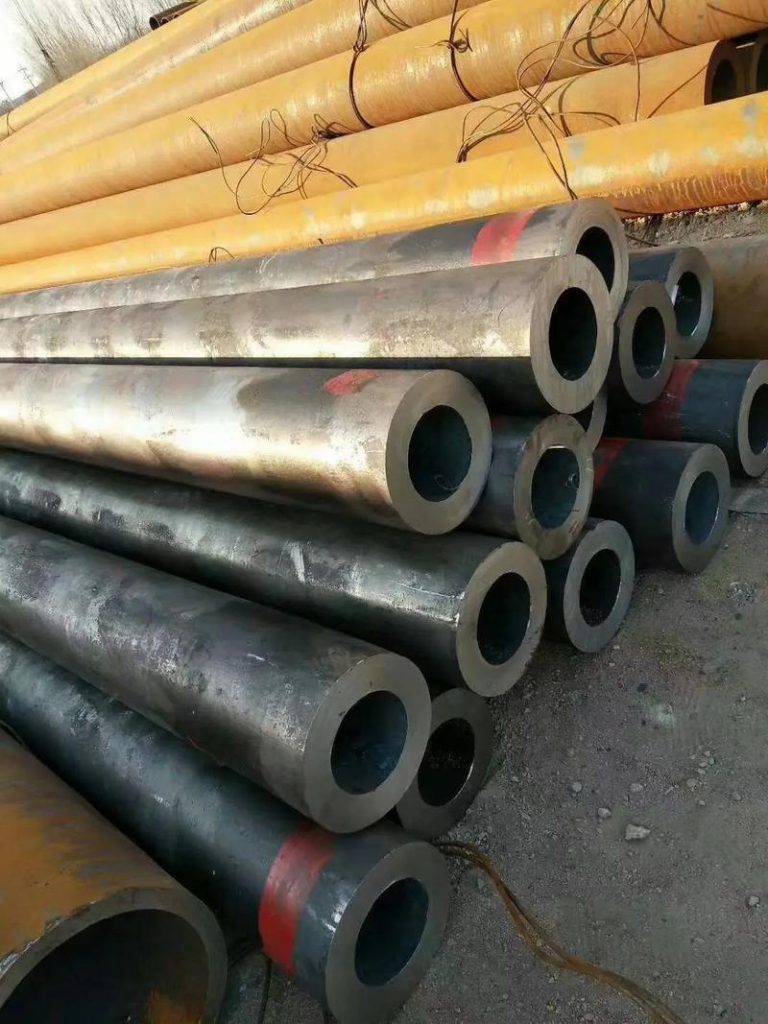
Black pipe: No coating, mill scale finish. Hot-dip galvanized: Inside and outside surfaces coated with zinc (ASTM B6). Minimum coating weight: 1.8 oz/ft² (0.55 kg/m2). Must be free of uncoated spots, vỉ, and flux residues. Galvanized coating enhances corrosion resistance for water/gas lines.
Chương 8 – Equivalent Standards & Supply Chain Considerations
8.1 ASTM A53 Equivalents (API 5L, A106, EN, JIS)
| Tiêu chuẩn | Grade/Type | Similarity |
|---|---|---|
| API 5L | Lớp B | Về mặt hóa học & mechanically similar to A53 Grade B (PSL1) |
| ASTM A106 | Lớp B | Seamless for high-temperature, comparable to A53 Type S |
| EN 10219 | S275J2H | Structural hollow section equivalent |
| JIS G3452 | SGP | Carbon steel pipe for ordinary piping |
8.2 Manufacturer Capabilities – Seamless, MÌN, FBW Supply
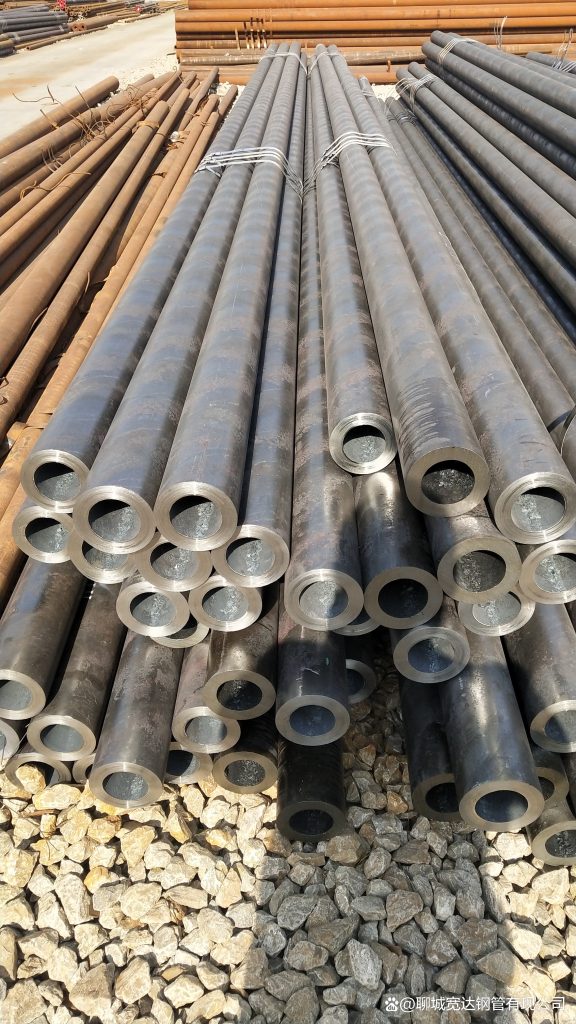
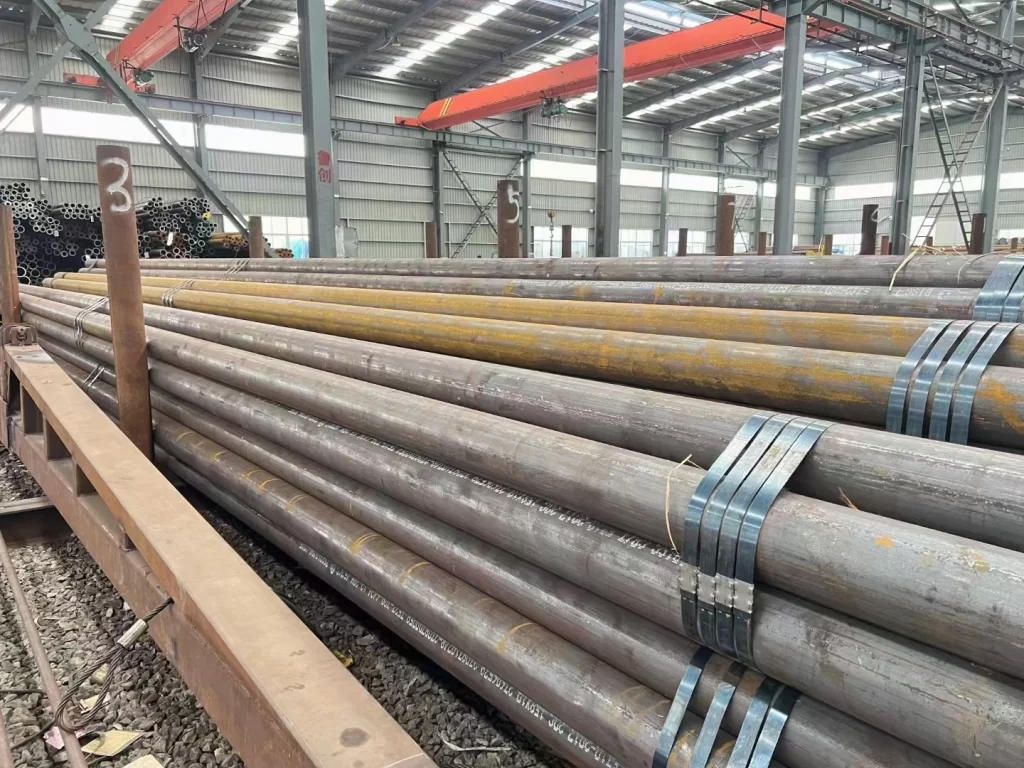
Leading manufacturers supply ASTM A53 in all types and grades, NPS 1/8 để NPS 24, with schedules STD, XS, XXS, and Sch 10–160. Màu đen, hot-dip galvanized, 3LPE, and FBE coatings available. Full mill test reports traceable to heat numbers ensure compliance. Typical stocking programs include Type E Grade B ERW and Type S Grade B seamless with hydrostatic testing and NDE as required. Minimum order quantities vary based on diameter and schedule.
Chương 9 – Conclusion and Engineering Recommendations
ASTM A53 remains a cornerstone specification for carbon steel pipe, balancing manufacturability, mechanical reliability, và hiệu quả chi phí. Selecting the appropriate type (S, E, F) và lớp (A/B) based on service conditions, welding requirements, and corrosion protection is critical. Adherence to heat treatment, thử nghiệm thủy tĩnh, and dimensional tolerances ensures long-term performance. For critical applications requiring high-temperature or sour service, supplementary standards (A106, API 5L) may be evaluated. This specification continues to serve global energy, xây dựng, and mechanical industries with robust technical foundations.